
Best Surface Paints for Pickleball Courts

February 1, 2026

When it comes to building or resurfacing a pickleball court, the kind of paint you use makes a huge difference. The right paint can enhance gameplay, improve safety, and help your court stand the test of time. 


This guide walks you through everything you need to know about choosing the best surface paint for pickleball courts.

Why Choosing the Right Pickleball Court Paint Matters

Pickleball is a fast-paced game, and your court needs to keep up. The paint you choose plays a big role in player safety, court appearance, and overall performance. A good pickleball court paint should provide a balance of traction, durability, and weather resistance. 


It should also help make the lines and court zones easy to see under different lighting conditions. Fading, peeling, and cracking can shorten the lifespan of your court, which means more frequent maintenance and higher costs over time.

Top Surface Paints for Pickleball Courts

Here are some of the most recommended paints for pickleball courts based on expert reviews and user feedback.


INSL-X Sure Step Acrylic Anti-Slip Coating

This paint is popular for its textured finish that helps prevent slips and falls. It is designed for high-traffic areas, making it a reliable choice for pickleball courts. INSL-X Sure Step works well on both concrete and asphalt surfaces. It is available in a variety of neutral colors.


Alpha Grip Pickleball Court Paint for Concrete

Alpha Grip is formulated specifically for concrete pickleball courts. It delivers excellent traction and vibrant color. The paint is designed to resist wear from both players and the elements. This option is great if you want bright, bold colors that last.


Kelley Technical Coatings Duracourt

Duracourt offers a durable acrylic finish that resists UV rays and weather damage. It is a great choice for outdoor courts that see a lot of sun exposure. Duracourt’s color retention is one of its standout features.


SportMaster PickleMaster RTU

SportMaster is known for its professional-grade court paints, and PickleMaster RTU is no exception. This ready-to-use coating system provides excellent traction, color consistency, and a smooth playing surface. It also allows for customization with ColorPlus tints so you can achieve the look you want.

How to Paint a Pickleball Court: Step-by-Step Guide

Painting a pickleball court is not just about applying paint. It takes proper preparation and attention to detail.


  1. Clean the court thoroughly. Remove dirt, debris, and any loose material using a power washer or stiff broom.
  2. Repair any cracks or damage. Use a suitable crack filler or patching material to create a smooth surface.
  3. Apply a primer or resurfacer. This helps the paint bond to the surface and provides a uniform base.
  4. Apply the paint. Use rollers, squeegees, or sprayers, depending on the paint type. Apply at least two coats for even coverage.
  5. Stripe the court. Use a measuring tape and a chalk line to mark lines before painting them. A line striping machine can help with precision.

Key Features to Look for in Pickleball Court Paint

Choosing a paint isn’t just about color. Here are features that make a big difference.


  • Durability: The paint should withstand frequent use and harsh weather without peeling or fading quickly.
  • Anti-slip texture: Traction is essential for player safety, especially during quick movements.
  • UV resistance: Look for paints that won’t fade under direct sunlight.
  • Easy application: Some paints come ready to use, saving time and effort.
  • Low VOC: Environmentally friendly paints with low volatile organic compounds are better for health and the environment.

Best Color Combinations for Pickleball Courts

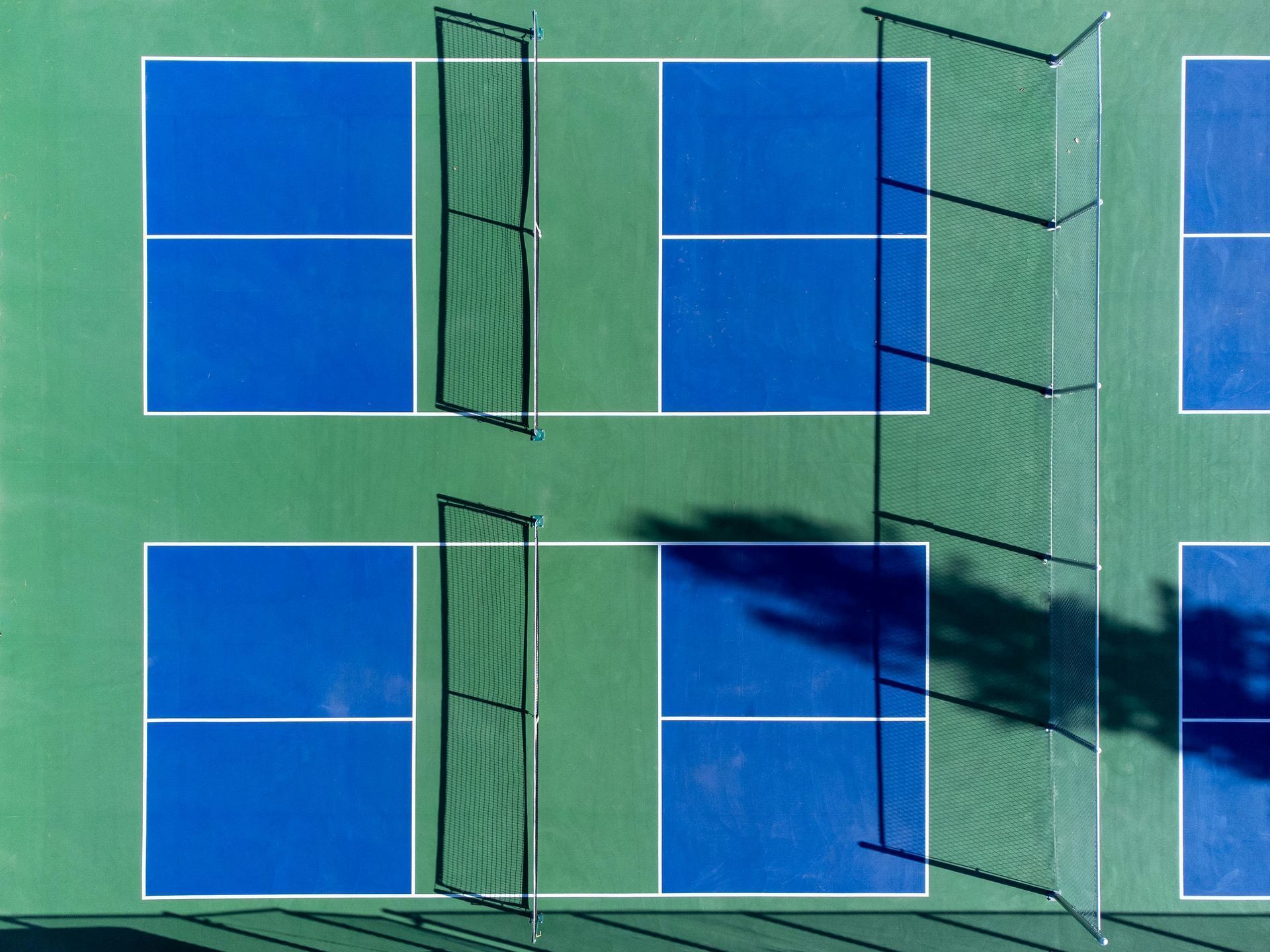
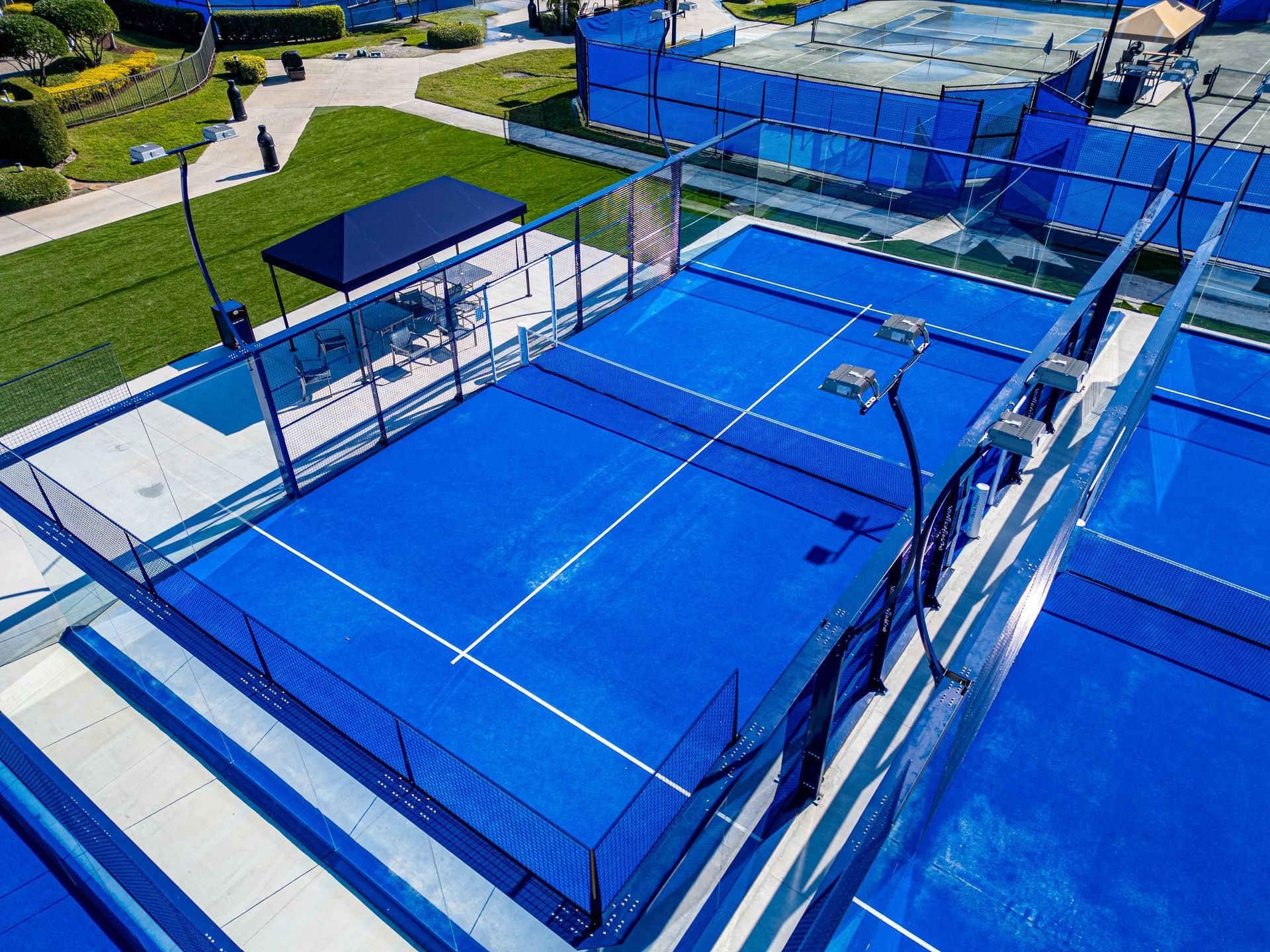
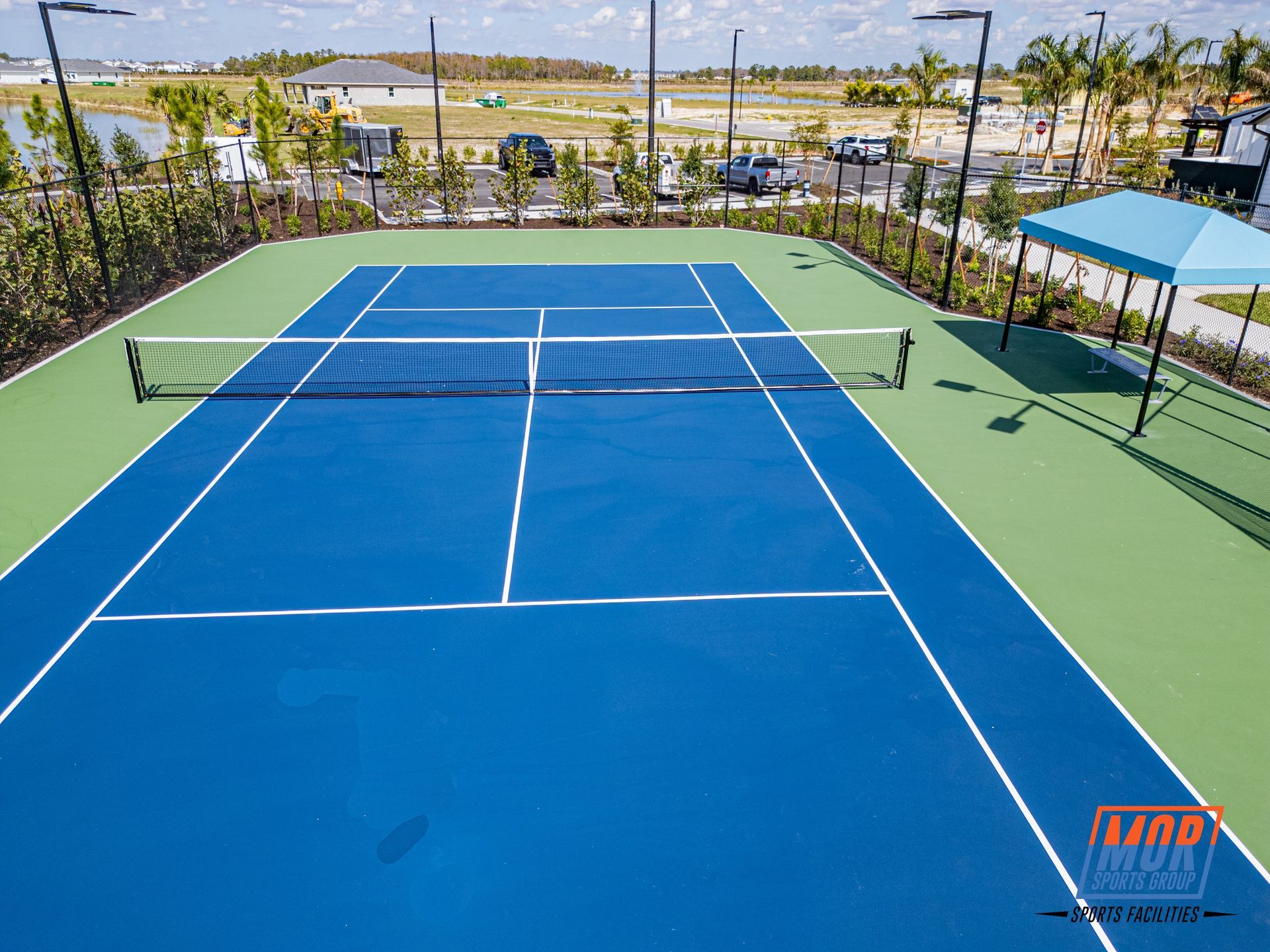
Color plays a big role in visibility and aesthetics. The most popular color combination is a blue playing area with a green border and white lines. This provides a strong contrast that helps players see the ball clearly. Some people opt for custom schemes like light green with dark green borders or even vibrant colors like orange or purple to match community branding or personal style.

Maintenance Tips to Keep Your Pickleball Court Looking New

Regular upkeep helps protect your investment. Sweep the court often to keep debris from damaging the surface. Check for peeling, fading, or cracks at least twice a year. Address issues right away to prevent bigger problems. Depending on use and weather, you may need to repaint every 5 to 10 years. A soft wash once or twice a year can also help keep the surface clean without damaging the paint.

Eco-Friendly and Climate-Specific Paint Options

If sustainability is important to you, look for low-VOC or water-based paints. These options reduce harmful emissions and are safer for players and the environment. In hot, sunny climates, UV-resistant paints are a smart choice. In wet or freeze-thaw conditions, paints with added flexibility and water resistance hold up better over time.


For those looking for expert help and high-quality products,Mor Sports Group offers professional court painting services, resurfacing, and maintenance for pickleball courts. They provide customized solutions that match your specific needs and ensure long-lasting results.

Conclusion

Choosing the best surface paint for your pickleball court is about more than just color. It affects how the court looks, how it plays, and how long it lasts. Whether you take the DIY route or hire professionals, investing in high-quality paint and proper preparation will pay off in the long run. By keeping up with maintenance and selecting paints suited to your climate, you can ensure that your court stays safe and enjoyable for years to come.


By Mor Sports Group February 4, 2026
Learn essential summer maintenance tips to protect your tennis court from heat damage, improve player safety, and extend your court's lifespan during the hottest months.
Close-up of small gray and tan gravel rocks.
By Mor Sports Group February 2, 2026
Discover why crushed stone is the top choice for bocce ball courts. Learn about superior drainage, consistent surface quality, durability, low maintenance, and cost advantages for your court project.
Basketball hoop with weathered backboard and net, set against blurry trees.
By Mor Sports Group January 27, 2026
Learn how heat, cold, rain, and UV rays affect outdoor basketball court materials. Discover which surfaces work best for your climate and get expert maintenance tips to extend your court's lifespan.
Tennis ball on a white line on a blue court, with blurred lights in the background.
By Mor Sports Group January 23, 2026
Discover the key differences between artificial turf and natural grass for padel courts. Learn about costs, maintenance, playability, and which surface is right for your climate and usage needs.
Overhead view of pickleball courts with blue playing areas and green surrounds.
January 18, 2026
Considering concrete for your pickleball court? Learn the pros and cons including durability, ball bounce consistency, maintenance needs, joint impact, and installation costs to make an informed decision.
January 5, 2026
Cracks on a tennis court are more than just an eyesore—they’re the first sign that your court is weakening. After resurfacing, it’s natural to want that fresh, flawless look to last as long as possible. The good news? With the right maintenance plan and a few strategic habits, you can dramatically reduce the risk of cracking and get more life out of your court.
December 22, 2025
Building a clay tennis court isn’t just about spreading clay and calling it done. What’s underneath the surface matters just as much—maybe even more. The base is what keeps the court stable, drains water, and helps players enjoy a consistent game. If the base is done wrong, the court won’t play right, won’t last, and will cost more in repairs over time. Let’s take a closer look at why getting the base construction right is so important.
December 5, 2025
Pickleball is growing fast, and with that comes a big question for homeowners, clubs, and city planners: what’s the best surface for a pickleball court— asphalt or concrete ? Your choice can affect everything from player comfort to maintenance costs. This guide will walk you through everything you need to know in a simple and educational tone.
December 5, 2025
Resurfacing your tennis court is a great investment, but keeping it in top shape takes effort. Without regular care, even a newly resurfaced court can wear down faster than you’d expect. In this guide, we'll go over practical, easy-to-follow tips to help you get the most out of your court for years to come.
November 20, 2025
Taking the time to care for your newly resurfaced tennis court isn’t just about keeping it looking good. It’s about making sure it lasts, stays safe to play on, and feels great underfoot. Once the resurfacing job is complete, the real work begins to keep your investment in top shape. If you're managing a private court or a sports facility, knowing the right maintenance steps makes a big difference.