Asphalt vs. Concrete: Best Surface for Pickleball Courts

Pickleball is growing fast, and with that comes a big question for homeowners, clubs, and city planners: what’s the best surface for a pickleball court—asphalt or concrete? Your choice can affect everything from player comfort to maintenance costs. This guide will walk you through everything you need to know in a simple and educational tone.
What’s the Best Surface for a Pickleball Court?
Both asphalt and concrete have their place in the world of sports courts, but they offer different benefits. The "best" surface depends on your budget, location, level of play, and long-term plans.
Concrete courts are known for their durability and consistent play. Asphalt is more affordable and softer underfoot. Each material has pros and cons you should consider before making a decision.
Why Surface Material Matters in Pickleball
According to the USA Pickleball Official Court Guidelines, the surface material plays a critical role in determining the court's suitability for regulation play. Their specifications ensure the surface delivers consistent bounce, minimal slipping, and proper ball control.
Your court surface affects:
- Ball bounce quality
- Player injuries and joint impact
- Court longevity
- Maintenance needs
- Overall player experience
A bad surface choice can lead to cracks, uneven bounce, and discomfort. A good one can make your court enjoyable and low-stress for years.
Asphalt vs. Concrete Pickleball Courts: Which Is More Affordable?
Cost is usually the first concern for anyone building a court. Asphalt is typically more affordable upfront.
Asphalt:
- Lower initial material and labor costs
- Quicker installation means lower labor hours
Concrete:
- Higher upfront costs for materials and labor
- May require more curing time, which adds days to the project
If you’re tight on budget and want a court ready fast, asphalt might be the better pick.
Long-Term Value: Is Concrete Worth the Higher Price?
While concrete costs more at first, it tends to last longer and requires less frequent maintenance. Over the long haul, this can actually save money.
Concrete:
- Can last over 30 years
- Resists wear and tear better
- Requires fewer resurfacing jobs
Asphalt:
- May need resurfacing every 5 to 7 years
- Cracks more easily in extreme temperatures
If you’re thinking long-term or building a court for frequent use, concrete may offer better value.
How Long Does an Asphalt Pickleball Court Last?
On average, asphalt courts last about 10 to 15 years with regular maintenance. The lifespan can be shorter in areas with dramatic temperature swings.
To extend the life of an asphalt court:
- Sealcoat every 2 to 3 years
- Fill in cracks as they appear
- Avoid heavy equipment on the surface
Concrete Court Lifespan: Is It Really 30+ Years?
Yes, concrete courts can last three decades or more. They are less prone to soft spots, rutting, or weather-based deterioration. Just be sure to:
- Use proper expansion joints
- Maintain surface coatings
- Check for small cracks and fill them early
Ball Bounce and Speed: Asphalt vs. Concrete
Pickleball requires a reliable bounce. That bounce depends heavily on your surface.
Concrete:
- Offers a consistent and fast ball bounce
- Great for competitive and club play
Asphalt:
- May become uneven over time
- Bounce quality can vary with temperature and wear
Players looking for a "true bounce" often prefer concrete.
Which Surface Is Easier on the Joints?
If you have older players or just want to reduce injury risk, this matters a lot.
Asphalt is slightly softer and provides more give, which is easier on knees and ankles. It acts almost like a cushion. Concrete is harder, and while great for ball bounce, it may lead to joint fatigue over long sessions.
Some concrete courts use cushioned acrylic coatings to soften the feel underfoot. It’s a good compromise if you want durability and comfort.
Best Pickleball Court Material for Hot or Cold Climates
Climate should definitely play a role in your decision.
- Asphalt can soften in extreme heat, making it more prone to dents and marks.
- In cold climates, asphalt may crack more easily due to freeze-thaw cycles.
- Concrete is more stable in both hot and cold weather, though it can crack if not poured correctly.
Concrete wins the climate battle for most regions, especially those with seasonal extremes.
What Maintenance Do Asphalt Courts Require?
Asphalt courts need more frequent maintenance. Here’s what to expect:
- Sealcoating every few years
- Crack repair and resurfacing
- Repainting lines and surface color
Neglecting this can lead to major repairs or full replacements sooner than expected.
Is Concrete Really Low-Maintenance?
Concrete requires less attention over time. You might need to:
- Clean debris
- Repaint lines and coatings every few years
- Address minor cracks when they show up
You’ll save on maintenance labor and materials over the years compared to asphalt.
How Long Does It Take to Build a Pickleball Court?
- Asphalt: Can be played on within 48 hours after paving
- Concrete: Needs curing time of 7 to 28 days before you can apply coatings or play on it
Asphalt is better if you need a fast turnaround. Concrete demands more patience but delivers longevity.
Acrylic Coatings: Do They Work on Both Surfaces?
Yes, both asphalt and concrete can be finished with acrylic coatings. These coatings:
- Add color
- Improve grip
- Protect the surface from UV and water damage
- Add optional cushioning for joint comfort
These coatings can be reapplied every few years to refresh the court.
Customizing the Look and Feel of Your Court
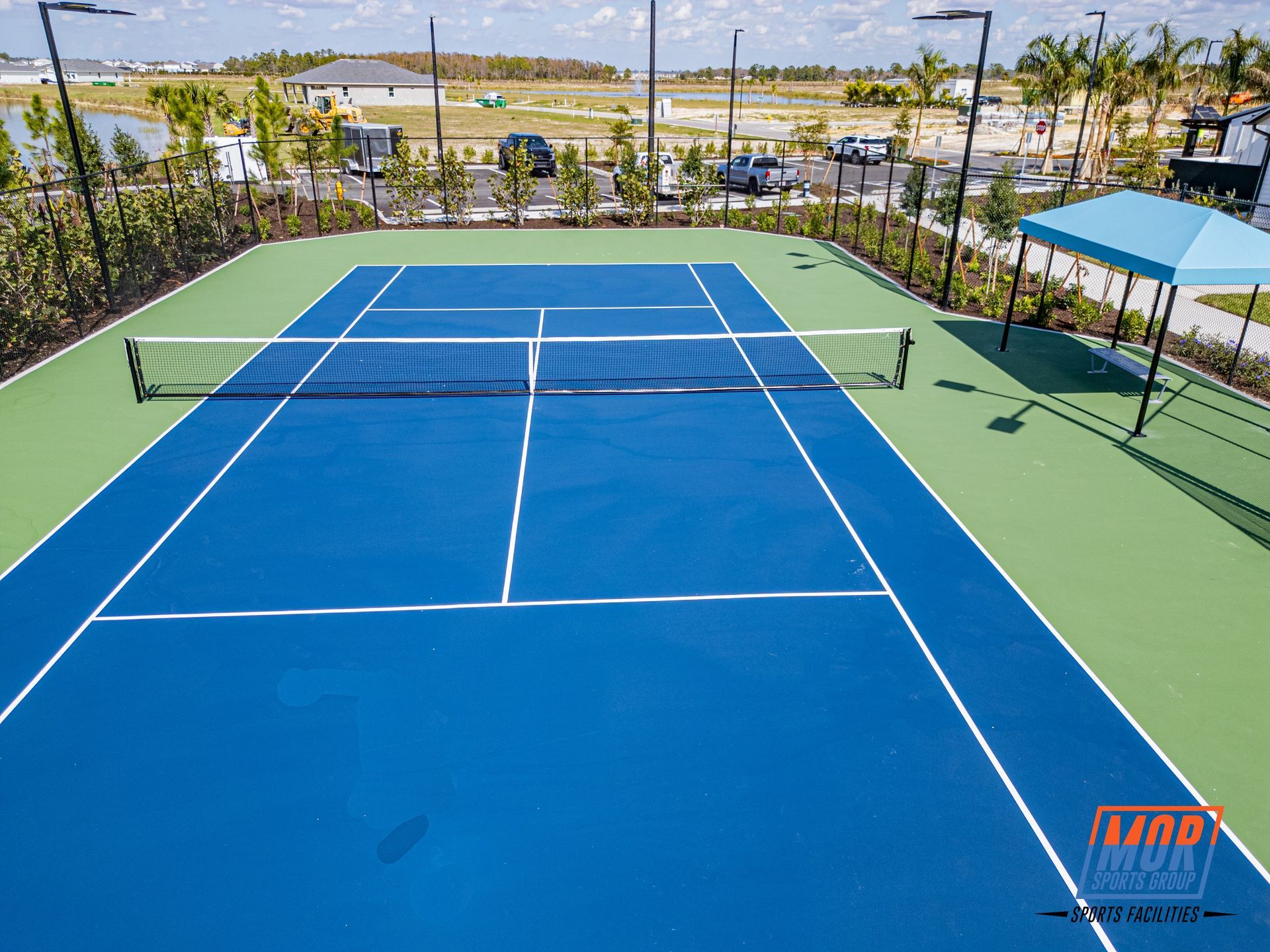
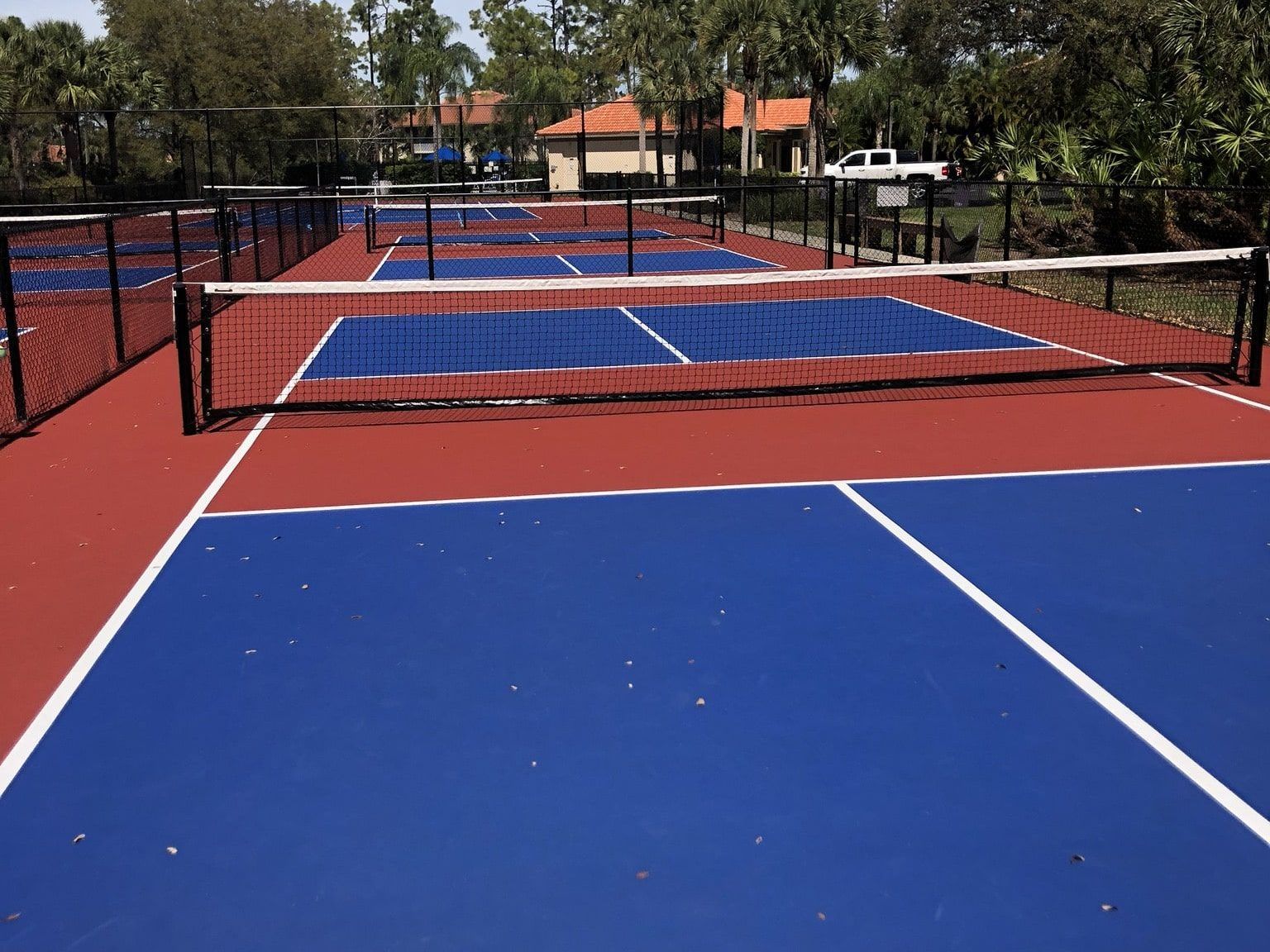
You can design a beautiful court with either surface. Both can be painted in any color scheme you like. Concrete courts can also be stamped or textured during pouring for a unique look.
Asphalt is typically flat and smooth but may show wear more quickly.
What’s Better for Residential Pickleball Courts?
For backyards or casual play:
- Asphalt might be ideal for budget and fast installation
- Concrete is best if you want a court to last decades with less fuss
Think about how often you’ll use it and whether you plan to resell your home with the court in place.
Which Surface Do Clubs and Pros Prefer?
Most clubs, tournament venues, and schools prefer concrete for its durability and bounce consistency. Asphalt is more common in public parks and recreational facilities with tighter budgets.
Does Court Material Affect Property Value?
It can. Concrete courts add a polished, long-term asset to your property. Asphalt courts, while functional, can appear more temporary or require explanation to future buyers.
Concrete also retains its look longer, which adds to curb appeal.
Which Surface Looks Better Over Time?
Concrete keeps its shape and color longer, especially with good coatings. Asphalt tends to fade and crack more visibly unless maintained regularly.
Should You Choose Asphalt or Concrete for Your Pickleball Court?
Here’s a quick summary:
- Choose asphalt if you want a budget-friendly, quick-to-install surface and can manage regular maintenance.
- Choose concrete if you prefer a long-term investment with less upkeep and higher performance.
Think about your players, your budget, your climate, and your timeline.
Looking for a Professional Builder?
If you're ready to move forward, consider working with pros like Mor Sports Group. They specialize in custom sport court construction and resurfacing, including both asphalt and concrete pickleball courts. Their team understands climate-specific needs and can help you make the best long-term decision for your property.
Whether you’re building a court in your backyard or for your community, knowing the difference between asphalt and concrete gives you a better game plan.
Conclusion
Choosing between asphalt and concrete comes down to your specific needs. If you're after something quick and affordable, asphalt gets the job done. If you're thinking about long-term performance and durability, concrete is worth the investment. Either way, the right surface can help you get the most out of your pickleball court for years to come.