The Rise of Eco-Friendly Sports Surfaces: Industry Trends for 2026

Mor Sports Group • February 8, 2026

The sports industry is experiencing a profound transformation as environmental consciousness reshapes facility planning and development. Eco-friendly sports surfaces have emerged from a niche consideration to a mainstream priority, driven by climate imperatives, economic benefits, and stakeholder expectations. From professional stadiums to community recreation centers, facility managers are increasingly recognizing that sustainable infrastructure isn't just environmentally responsible—it's strategically essential.

This shift represents more than a trend; it's a fundamental reimagining of how we design, construct, and maintain sports facilities. As we approach 2026, innovations in materials science, green building standards, and lifecycle cost analysis are converging to make sustainable sports surfaces not only viable but preferable. Organizations that embrace these changes position themselves as forward-thinking leaders while simultaneously reducing operational costs and enhancing their community standing.

The following trends are reshaping the landscape of sports facility development, offering compelling solutions for organizations committed to both performance excellence and environmental stewardship. Understanding these developments is crucial for decision-makers planning facility upgrades, new construction, or long-term infrastructure strategies.

1. The Driving Forces Behind Sustainable Sports Infrastructure

The momentum toward eco-friendly sports surfaces stems from multiple converging pressures that are fundamentally changing facility development priorities. Environmental imperatives sit at the forefront, with climate change concerns driving unprecedented focus on reducing carbon footprints across all industries. Sports facilities, which traditionally consume significant resources through water usage, energy demands, and material disposal, represent substantial opportunities for environmental impact reduction. Organizations increasingly recognize their corporate social responsibility extends beyond their core operations to encompass the entire lifecycle of their facilities.

Economic considerations provide equally compelling motivation for sustainable sports infrastructure adoption. While initial investment costs for eco-friendly surfaces may exceed traditional alternatives, comprehensive lifecycle analyses consistently demonstrate substantial long-term savings. Reduced maintenance requirements, lower water consumption, decreased energy usage for climate control, and extended surface lifespans combine to create favorable return-on-investment scenarios. Forward-thinking facility managers are discovering that sustainable choices align financial prudence with environmental responsibility.

Public perception and brand enhancement have become critical factors in facility development decisions. Communities increasingly expect organizations to demonstrate environmental leadership, and modern sports facilities serve as highly visible statements of institutional values. Facilities incorporating sustainable practices generate positive media coverage, strengthen community relationships, and enhance organizational reputation. For educational institutions, municipalities, and sports organizations, green facilities communicate commitment to future generations while distinguishing themselves in competitive landscapes.

Regulatory frameworks are increasingly incorporating sustainability requirements into building codes and development approvals. Many jurisdictions now offer incentives for green building practices, including expedited permitting, tax benefits, and utility rebates. Organizations that proactively adopt sustainable sports surfaces position themselves ahead of regulatory curves while accessing financial incentives that further improve project economics.

2. Key Eco-Friendly Sports Surfaces and Technologies for 2026

The evolution of recycled turf and infill materials represents perhaps the most significant advancement in sustainable sports surfaces. Modern recycled turf systems utilize post-consumer and post-industrial plastics, rubber, and other materials that would otherwise contribute to landfill waste. These materials undergo sophisticated processing to create high-performance synthetic turf that matches or exceeds the durability and playability of conventional alternatives. The recycled content in contemporary turf products can reach 80-90%, dramatically reducing virgin material consumption while maintaining stringent safety and performance standards.

Infill materials have undergone particularly dramatic innovation, moving beyond traditional crumb rubber toward more sustainable alternatives. Natural cork infill offers excellent shock absorption, temperature regulation, and biodegradability. Coconut fiber (coir) provides sustainable cushioning with natural antimicrobial properties. Rice hull infill delivers performance characteristics similar to synthetic alternatives while being entirely plant-based and compostable. These natural infill materials address growing concerns about microplastic pollution and end-of-life disposal challenges associated with conventional synthetic infills.

Natural and bio-based surfacing innovations are expanding options beyond fully synthetic systems. Hybrid grass systems combine natural grass with synthetic reinforcement, providing durability approaching synthetic surfaces while maintaining natural grass's environmental benefits, including carbon sequestration, oxygen production, and natural cooling effects. These systems utilize biodegradable backing materials and organic growth mediums, creating surfaces that can be composted at end-of-life rather than requiring specialized disposal.

Advanced permeable pavements and drainage systems address critical water management challenges in sports facility design. Permeable surfaces allow rainwater to infiltrate naturally, reducing stormwater runoff, preventing erosion, and replenishing groundwater supplies. Modern permeable pavement technologies incorporate recycled aggregates and porous concrete mixtures that maintain structural integrity while facilitating water infiltration. These systems integrate with broader site water management strategies, including bioswales, rain gardens, and constructed wetlands that filter and process runoff naturally.

Composite materials combining recycled plastics with natural fibers are creating entirely new categories of sports surfaces. These materials offer customizable performance characteristics, from shock absorption to friction coefficients, while maintaining sustainability credentials. Some composite systems incorporate recycled ocean plastics, directly addressing marine pollution while creating high-performance athletic surfaces. The versatility of composite materials enables solutions tailored to specific sport requirements, climate conditions, and usage intensity.

3. Integrating Green Building Trends into Sports Facilities

LEED (Leadership in Energy and Environmental Design) certification and other green building standards are becoming increasingly relevant to sports facility development. These comprehensive frameworks evaluate buildings across multiple sustainability dimensions, including site selection, water efficiency, energy performance, materials selection, and indoor environmental quality. LEED certification provides third-party verification of sustainability claims, enhances facility value, and demonstrates commitment to environmental excellence. Many sports facilities are achieving LEED Silver, Gold, or even Platinum certifications by incorporating eco-friendly surfaces as part of broader sustainability strategies.

Alternative green building standards, including BREEAM (Building Research Establishment Environmental Assessment Method) and Green Globes, offer additional pathways for sustainability recognition. These frameworks emphasize different aspects of environmental performance and may better align with specific organizational goals or regional priorities. Regardless of the specific standard pursued, the certification process encourages holistic consideration of facility environmental impacts and identifies optimization opportunities that might otherwise be overlooked.

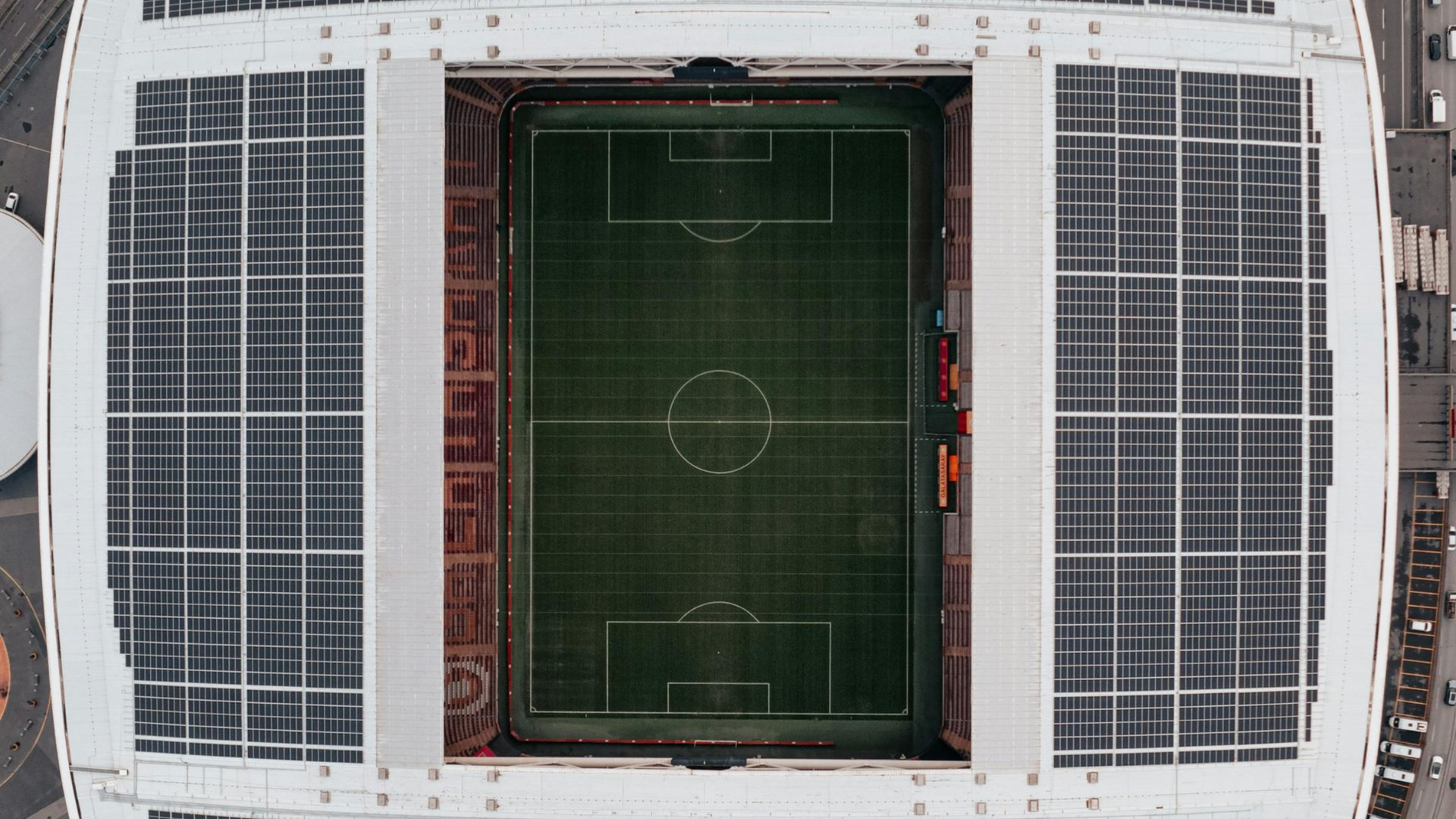
Energy-efficient lighting and HVAC systems represent critical components of sustainable sports facility design. LED lighting systems consume 75% less energy than traditional alternatives while providing superior illumination quality and controllability. Smart lighting controls adjust intensity based on occupancy, time of day, and natural light availability, further reducing energy consumption. For indoor facilities, high-efficiency HVAC systems with heat recovery, demand-controlled ventilation, and zone-based temperature management dramatically reduce energy requirements. Solar panels integrated into facility design can offset significant portions of energy consumption, with many modern sports complexes achieving net-zero energy status.

Water conservation strategies extend well beyond playing surface selection. Rainwater harvesting systems collect precipitation from building roofs and impermeable surfaces, storing it for irrigation, toilet flushing, and other non-potable applications. Greywater recycling systems process water from sinks, showers, and washing machines for landscape irrigation. Native landscaping surrounding sports facilities reduces irrigation requirements while providing habitat for local wildlife and reducing maintenance demands. These integrated water management approaches can reduce potable water consumption by 50-70%, yielding substantial cost savings and environmental benefits.

4. Challenges and Opportunities in Adopting Eco-Friendly Solutions

Initial investment costs represent the most frequently cited barrier to eco-friendly sports surface adoption. Sustainable materials and technologies often command premium prices compared to conventional alternatives, creating budget challenges for organizations with limited capital funding. However, comprehensive lifecycle cost analyses consistently demonstrate that higher initial investments yield superior long-term returns through reduced maintenance, lower resource consumption, and extended service life. Decision-makers must shift from first-cost thinking to total-cost-of-ownership perspectives that accurately reflect the economic advantages of sustainable choices.

Educating stakeholders about sustainable sports surfaces requires patient, data-driven communication. Board members, funding authorities, and community stakeholders may harbor concerns about performance, safety, or aesthetics of eco-friendly alternatives. Addressing these concerns requires presenting compelling evidence from existing installations, sharing performance data, and facilitating site visits to successful sustainable facilities. Case studies demonstrating both environmental benefits and operational improvements prove particularly persuasive. Organizations that invest in stakeholder education often discover broad support for sustainability initiatives once the benefits are clearly understood.

Technical expertise in sustainable sports surface specification, installation, and maintenance may be limited in some regions. Identifying qualified contractors, ensuring proper installation techniques, and developing appropriate maintenance protocols require specialized knowledge. Organizations benefit from partnering with experienced consultants and contractors who can navigate the complexities of sustainable surface technologies. As the market matures, expertise is becoming more widely available, and industry associations are developing training programs to build professional capacity.

The future of sustainable sports facility design points toward fully integrated, net-zero complexes that generate as much energy as they consume, manage all water on-site, and utilize materials with minimal environmental impact throughout their lifecycle. Emerging technologies, including carbon-negative materials, closed-loop recycling systems, and bio-based alternatives to petroleum-derived products, promise even more sustainable options. Sports facilities are evolving into models of environmental stewardship, demonstrating that high performance and sustainability are not competing objectives but complementary goals.

Conclusion: Paving the Way for a Greener Game

The rise of eco-friendly sports surfaces represents a fundamental shift in how we approach facility development, one that recognizes environmental responsibility and operational excellence as inseparable objectives. As we move toward 2026 and beyond, sustainable sports infrastructure will transition from innovation to standard practice, driven by compelling environmental, economic, and social benefits. Organizations that embrace these trends position themselves as industry leaders while creating facilities that serve their communities, protect the environment, and deliver superior long-term value.

For facility managers, decision-makers, and sports organizations, the message is clear: sustainable sports surfaces are not just the future—they're the present. The technologies exist, the business case is proven, and the stakeholder demand is growing. By adopting eco-friendly solutions today, organizations invest in facilities that will serve communities sustainably for decades to come while demonstrating the leadership and vision our environmental challenges demand.

Whether planning new construction, considering facility upgrades, or developing long-term infrastructure strategies, now is the time to explore how sustainable sports surfaces can enhance your facility's performance, reduce its environmental impact, and strengthen your organization's position as a responsible community leader. The green revolution in sports facilities is underway—will you lead, follow, or be left behind?

By Mor Sports Group February 4, 2026
Learn essential summer maintenance tips to protect your tennis court from heat damage, improve player safety, and extend your court's lifespan during the hottest months.
Close-up of small gray and tan gravel rocks.
By Mor Sports Group February 2, 2026
Discover why crushed stone is the top choice for bocce ball courts. Learn about superior drainage, consistent surface quality, durability, low maintenance, and cost advantages for your court project.
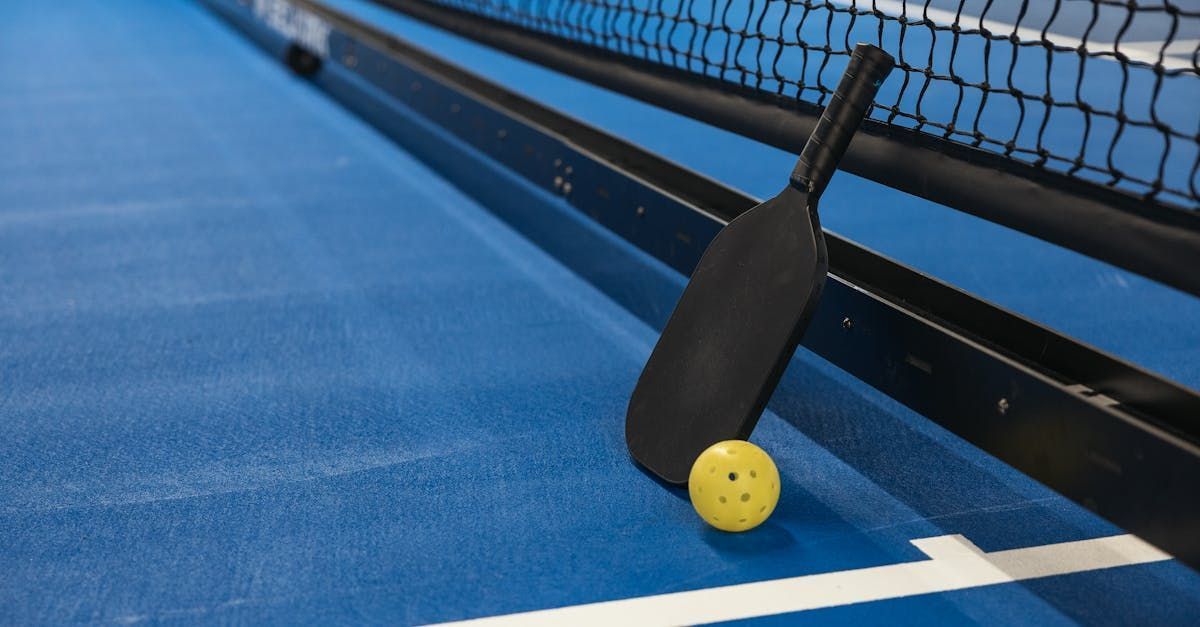
Black pickleball paddle and yellow ball on a blue court next to a white line.
February 1, 2026
Discover the best surface paints for pickleball courts. Learn key features, application tips, and maintenance advice.
Basketball hoop with weathered backboard and net, set against blurry trees.
By Mor Sports Group January 27, 2026
Learn how heat, cold, rain, and UV rays affect outdoor basketball court materials. Discover which surfaces work best for your climate and get expert maintenance tips to extend your court's lifespan.
Tennis ball on a white line on a blue court, with blurred lights in the background.
By Mor Sports Group January 23, 2026
Discover the key differences between artificial turf and natural grass for padel courts. Learn about costs, maintenance, playability, and which surface is right for your climate and usage needs.
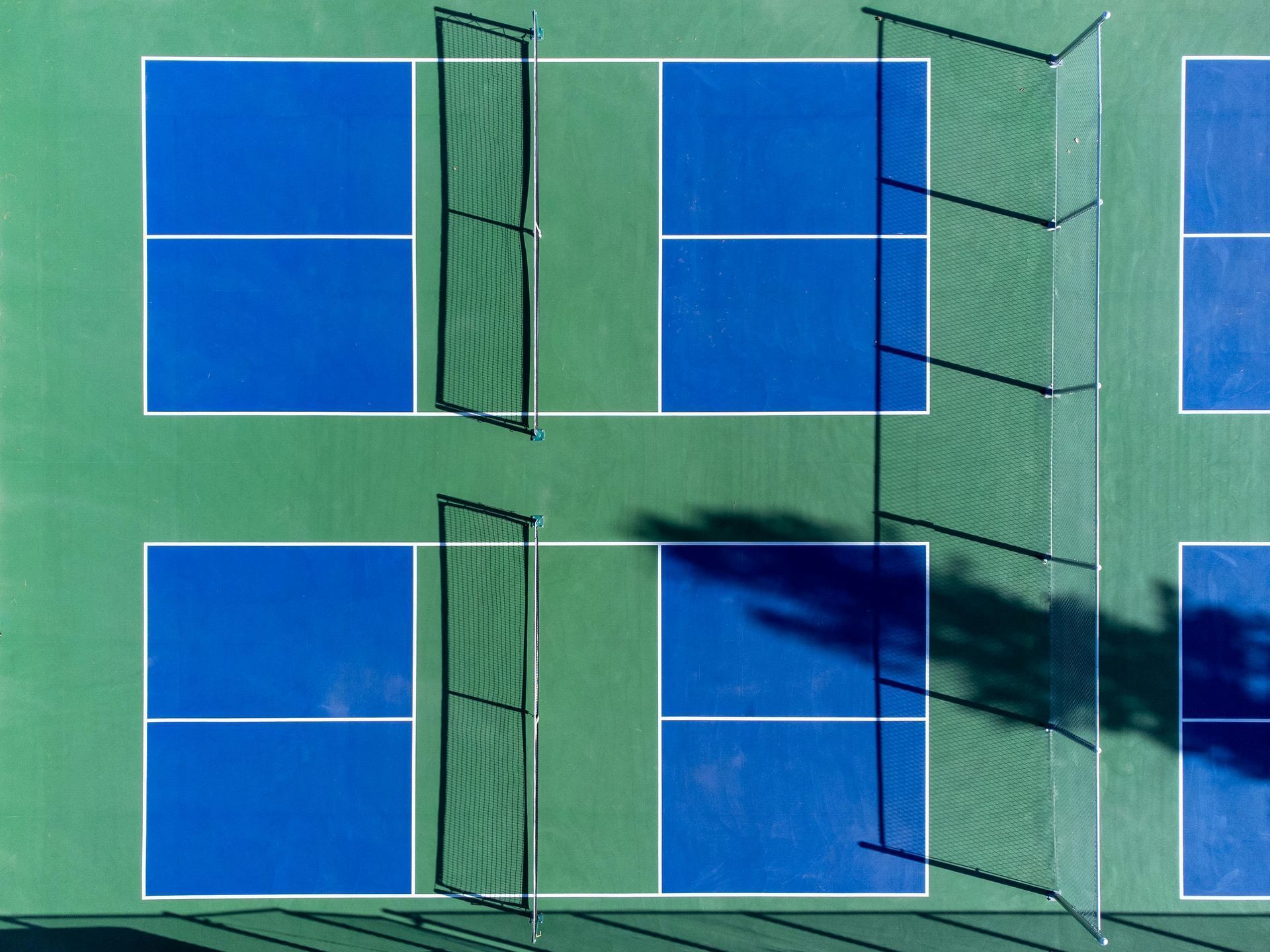
Overhead view of pickleball courts with blue playing areas and green surrounds.
January 18, 2026
Considering concrete for your pickleball court? Learn the pros and cons including durability, ball bounce consistency, maintenance needs, joint impact, and installation costs to make an informed decision.
January 5, 2026
Cracks on a tennis court are more than just an eyesore—they’re the first sign that your court is weakening. After resurfacing, it’s natural to want that fresh, flawless look to last as long as possible. The good news? With the right maintenance plan and a few strategic habits, you can dramatically reduce the risk of cracking and get more life out of your court.
December 22, 2025
Building a clay tennis court isn’t just about spreading clay and calling it done. What’s underneath the surface matters just as much—maybe even more. The base is what keeps the court stable, drains water, and helps players enjoy a consistent game. If the base is done wrong, the court won’t play right, won’t last, and will cost more in repairs over time. Let’s take a closer look at why getting the base construction right is so important.
December 5, 2025
Pickleball is growing fast, and with that comes a big question for homeowners, clubs, and city planners: what’s the best surface for a pickleball court— asphalt or concrete ? Your choice can affect everything from player comfort to maintenance costs. This guide will walk you through everything you need to know in a simple and educational tone.
December 5, 2025
Resurfacing your tennis court is a great investment, but keeping it in top shape takes effort. Without regular care, even a newly resurfaced court can wear down faster than you’d expect. In this guide, we'll go over practical, easy-to-follow tips to help you get the most out of your court for years to come.