Cost-Effective Solutions for Court Resurfacing
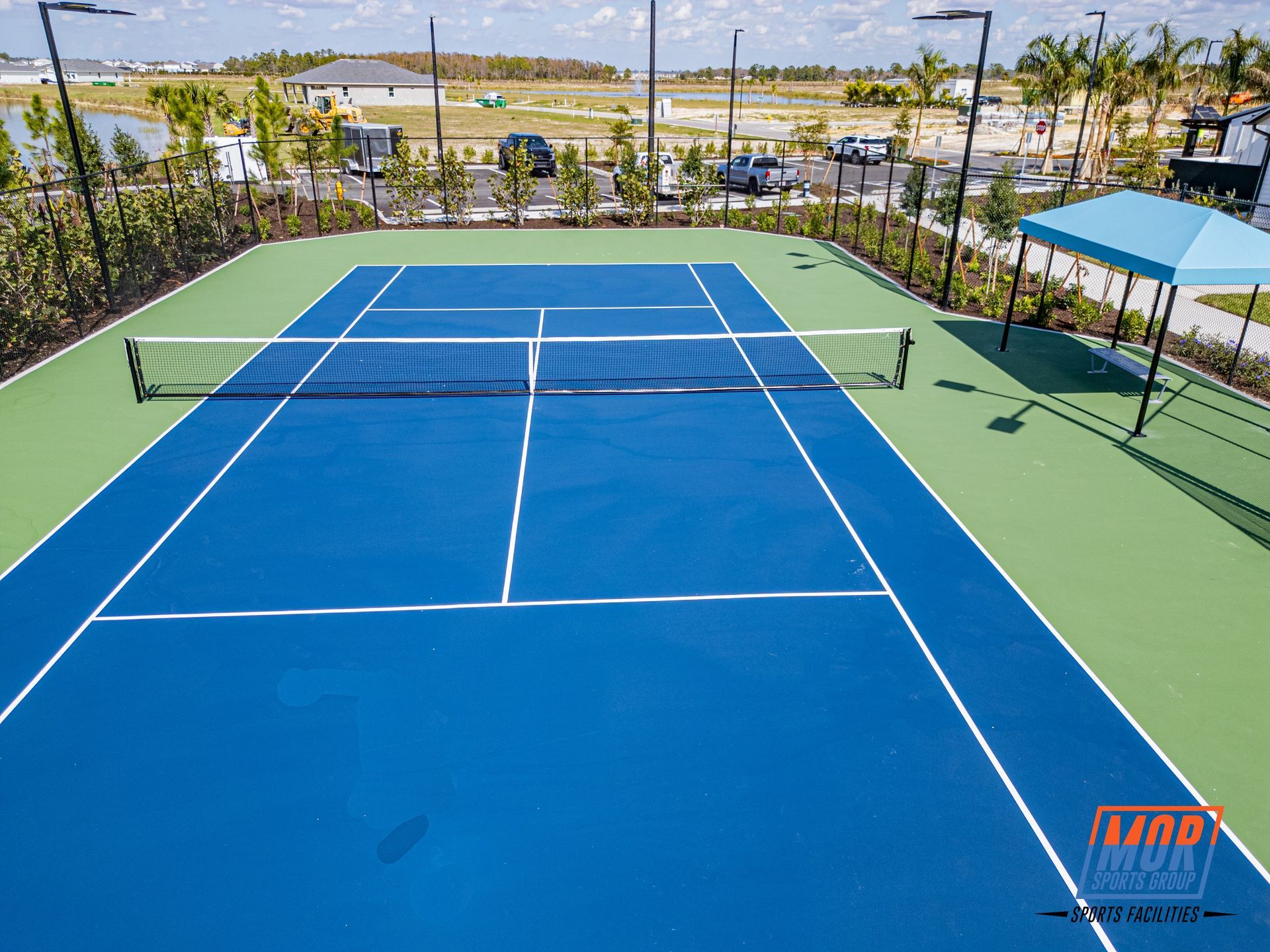
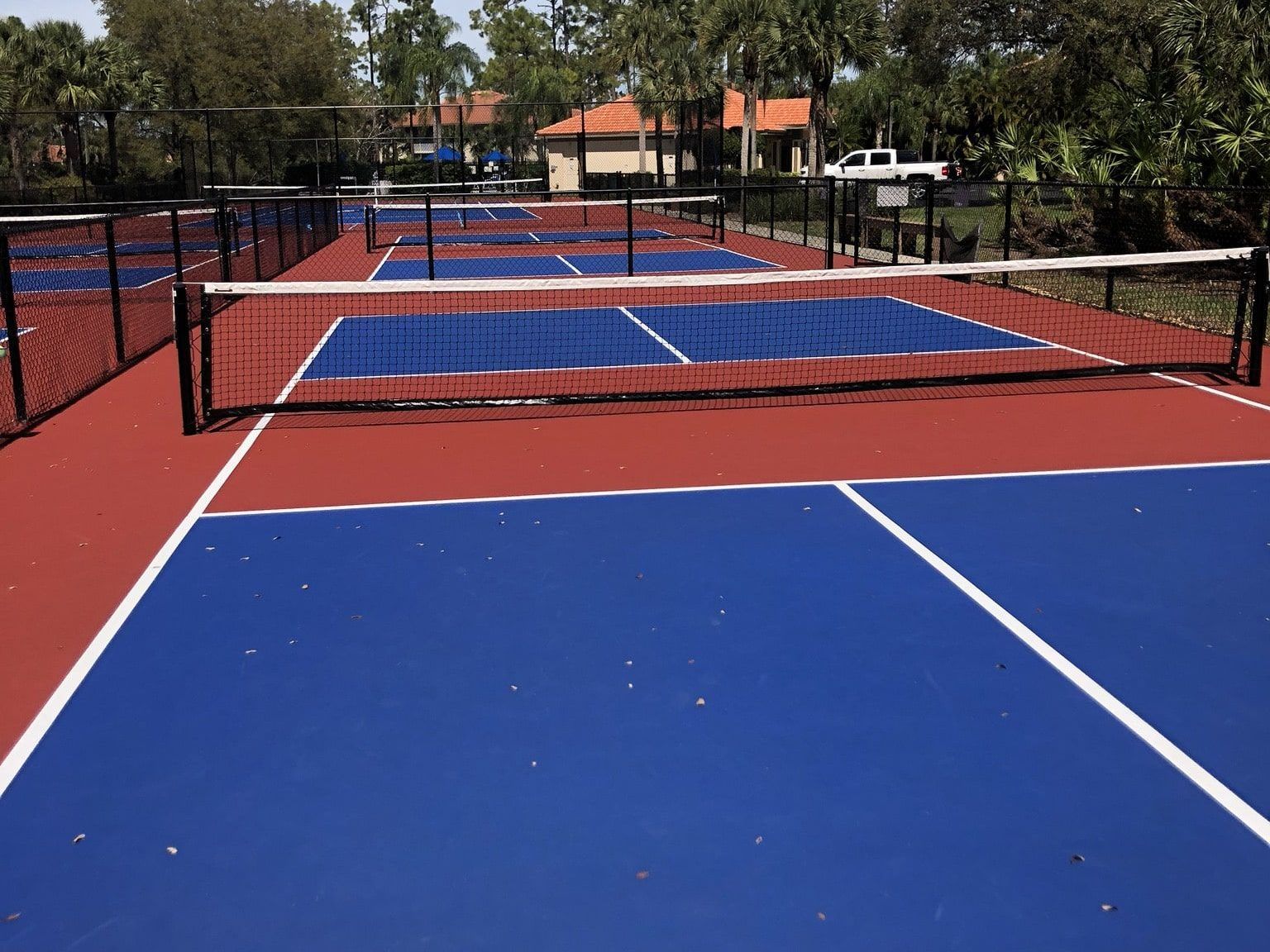
Every athletic courts, whether it's bustling with the energy of basketball games or the precise movements of tennis matches, needs a little TLC from time to time. Resurfacing is crucial not just for keeping the court looking good, but for ensuring it's safe and playable. However, the thought of resurfacing can bring dollar signs to mind, raising concerns about the costs involved.
But here's some good news: maintaining your sports facility's charm and functionality doesn't have to empty your wallet. There are plenty of cost-effective solutions out there that can breathe new life into your courts without the hefty price tag. This article will dive into the world of affordable resurfacing options, from materials that stretch your dollars further to smart strategies that maximize your investment. Let's explore how to keep your courts in top shape economically, ensuring they continue to be a source of joy and activity for your community.
Assessing the Need for Resurfacing
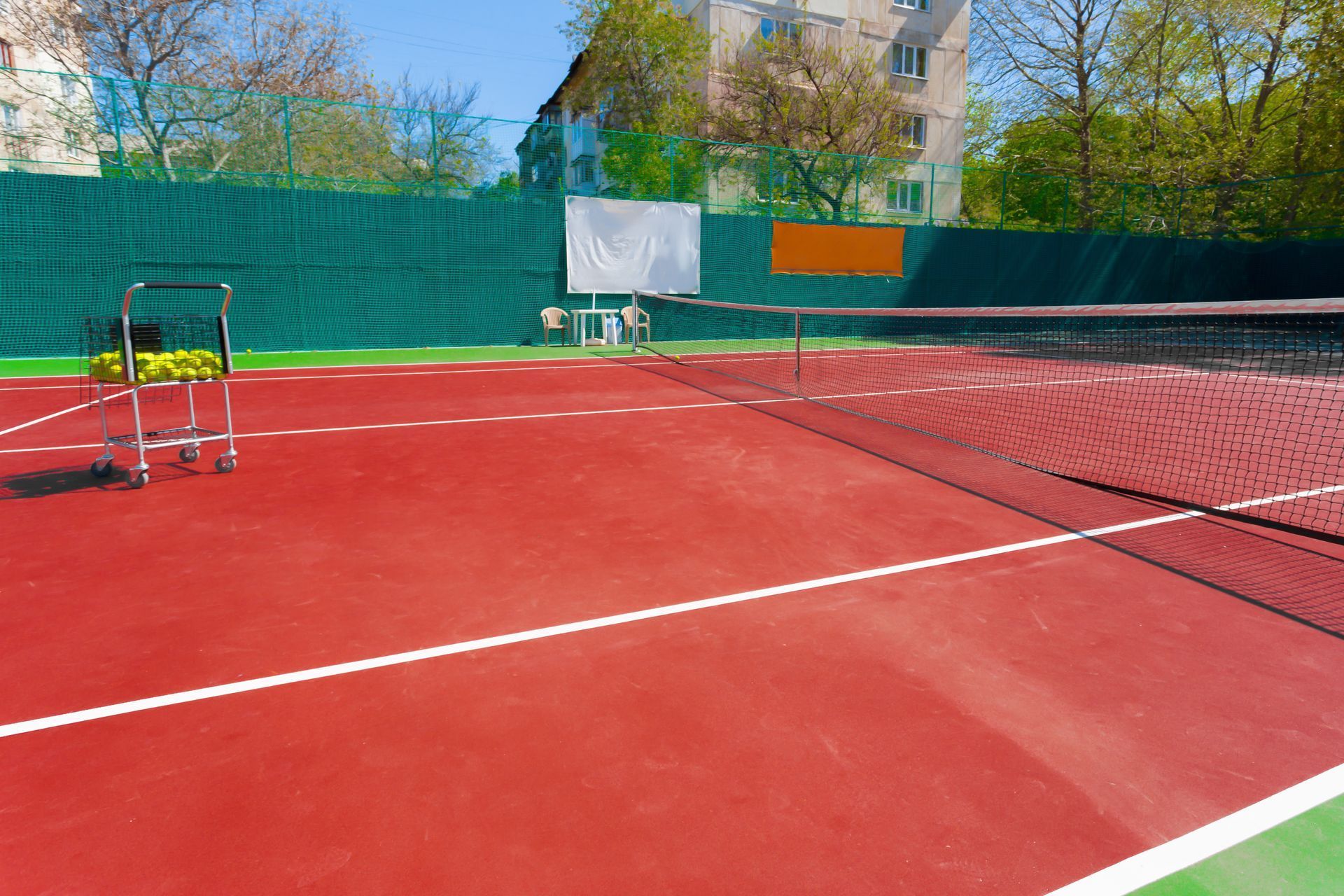
Regular check-ups are your best friend here. Just like you'd take your car in for an inspection to catch issues early, giving your court a thorough look over now and then can save you a lot of hassle and money down the road. Catching problems early means you can deal with them before they get bigger and more expensive to fix.
In short, knowing when your court needs a facelift is the first step in managing the costs of resurfacing. This proactive approach not only helps keep your court safe and enjoyable but also aligns with smart financial planning, ensuring you're investing in necessary updates rather than unnecessary overhauls.
Cost-Effective Resurfacing Materials
When it's clear your court needs a touch-up, the next step is
choosing the right materials that won't break the bank. Fortunately, there are several budget-friendly options that still promise durability and performance.
Acrylic Resurfacing Systems
Recycled Material Options
Asphalt Overlays
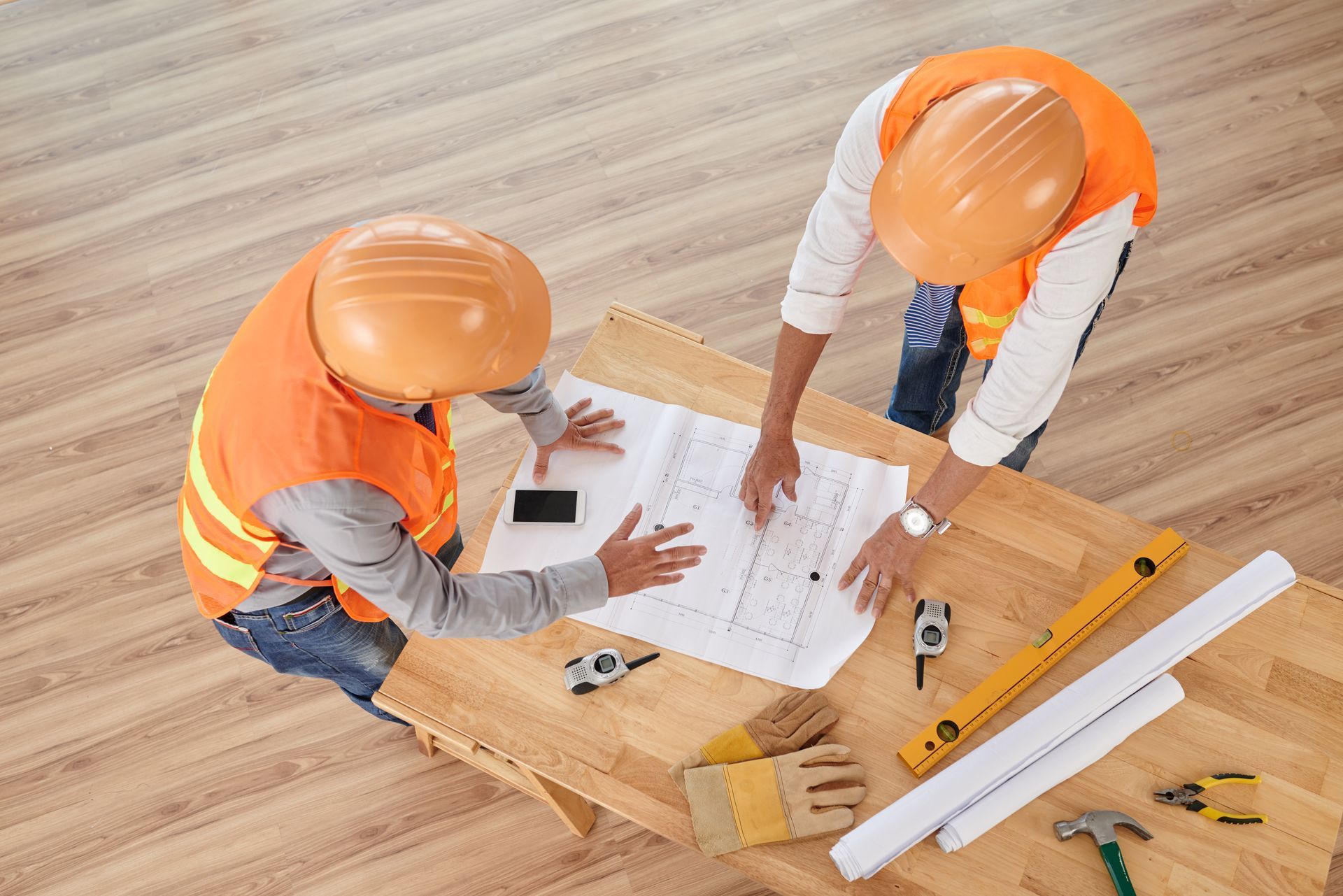
DIY vs. Professional Resurfacing
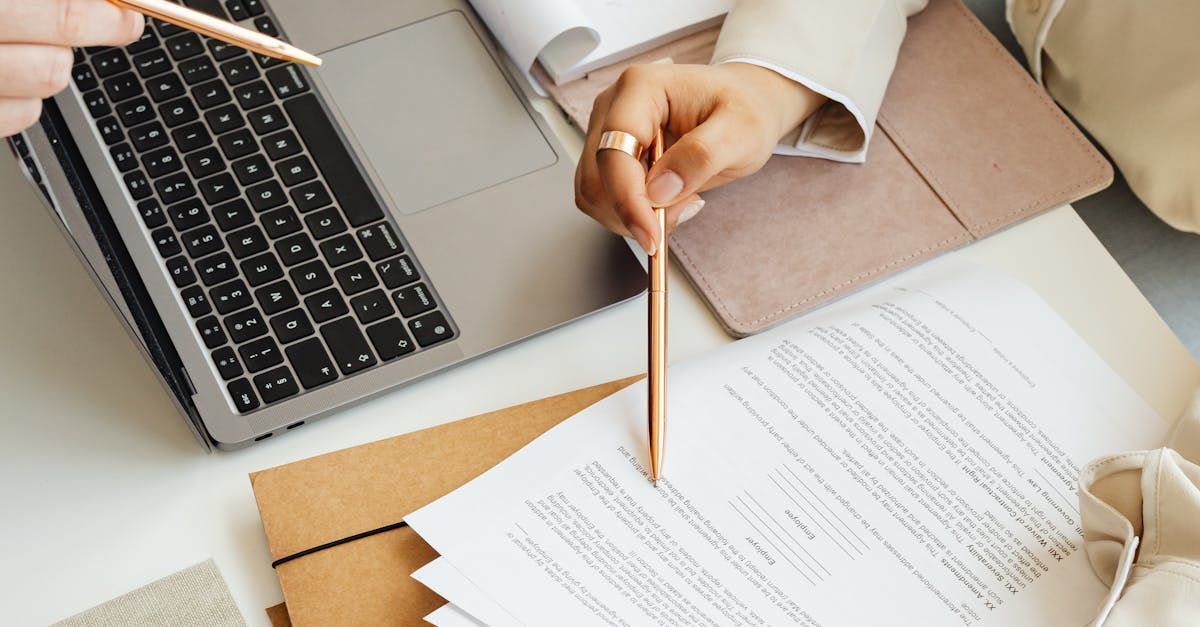
Taking the DIY route can be tempting, especially if the project seems small or you have some handy skills. The biggest draw is the potential savings. By doing the work yourself, you avoid labor costs, which can be a significant part of the total expense.
However, it's crucial to be realistic about what you can handle. Resurfacing requires specific tools and materials, not to mention knowledge of how to use them effectively. A misstep could end up costing more in the long run if you need to redo the work or, worse, fix mistakes.
On the other hand, hiring professionals comes with peace of mind. They bring expertise, experience, and the right equipment to the job. While this option involves labor costs, you're also paying for a quality guarantee. Professionals can spot potential problems you might miss, advise on the best materials for your needs, and ensure the job's done right the first time.
So, how do you decide? Consider the project's scope, your skills, and the potential risks. Small cosmetic updates might be manageable on your own, but for extensive resurfacing, the know-how of a professional team can save you time, money, and a lot of headaches in the long term.
Maximizing the Lifespan of the Resurfaced Court
Regular Maintenance
Quality Materials
Warranty and Support
Taking these steps not only helps maintain the court's appearance and functionality but also protects players from injuries due to poor court conditions. By focusing on regular upkeep, investing in quality from the start, and choosing materials and services with good warranties, you can maximize your court's lifespan and get the most out of your resurfacing project.
Innovative and Alternative Solutions
Exploring innovative and alternative solutions can also offer cost-effective ways to resurface sports facilities. As technology advances and new materials emerge, keeping an open mind could lead to savings and improved outcomes.
Grants and Funding: It's worth researching grants or funding opportunities aimed at promoting sports and physical activity in communities. Government bodies, sports associations, and private foundations often offer financial support for projects that encourage active lifestyles.
Alternative Materials: Stay informed about new materials that offer durability and cost savings. Some modern composites are designed to be more affordable and environmentally friendly, providing a win-win for budget-conscious projects. Additionally, materials that require less maintenance over time can significantly reduce long-term costs.
Conclusion
Resurfacing your sports facilities efficiently is all about making smart, informed choices. By identifying when resurfacing is necessary, opting for durable yet affordable materials, and deciding wisely between DIY efforts and professional services, you can achieve a high-quality project without overspending. Regular maintenance and exploring innovative solutions further ensure your investment lasts longer. Ultimately, a well-planned resurfacing not only enhances the court's appearance and safety but also ensures it remains a vibrant part of your community without stretching your budget.
Recent Posts