
Best Practices to Maintain Your Clay Court

March 20, 2024

Maintaining a clay court is essential to ensure its longevity and provide the best possible playing experience. Clay courts are prized for their unique playing characteristics, offering a surface that's gentle on the body and allows for a game filled with strategy and skill. However, these benefits come with the need for consistent care and attention. Regular maintenance not only keeps the court in top condition for play but also prevents the surface from deteriorating prematurely, saving you significant time and money in the long run.


The key to effective clay court upkeep lies in understanding the specific needs of this surface type. From daily tasks like sweeping and watering to more intensive seasonal work, each action plays a crucial role in preserving the court's quality and playability. By following a structured maintenance routine, you can ensure that your clay court remains a vibrant, high-performance venue for tennis enthusiasts. This article will guide you through the best practices for maintaining your clay court, helping you to enjoy the game you love on a surface that performs at its best.

a man is holding a tennis racquet on a tennis court

Daily Maintenance

Sweeping

Every day, your clay court should be swept to remove debris, leaves, and any foreign materials that could affect the playing surface. This not only keeps the court looking clean but also prevents the accumulation of materials that could interfere with drainage or the evenness of the surface.

Watering

Proper hydration is crucial for a clay court. It should be watered regularly to maintain the right moisture level, preventing the clay from becoming too dry and hard, which can lead to cracks and a poor playing experience. The best times to water are early in the morning or late in the evening to reduce evaporation and ensure the water penetrates the clay deeply.


Daily maintenance is the foundation of a well-kept clay court. By adhering to these practices, you ensure the surface is always ready for play and protected against premature wear.

Weekly Maintenance

Court Rolling

Once a week, use a court roller to compact the clay surface. This process helps to maintain a firm, even playing area that ensures consistent ball bounce. It also helps to prevent the formation of low spots or depressions where water could collect.

Line Maintenance

Check and straighten the lines on your clay court weekly. Over time, the lines can become covered with clay or shift slightly, affecting the accuracy of play. Use a line brush or broom to keep them clear and correctly positioned.


Regular weekly maintenance tasks like rolling the court and taking care of the lines are critical for keeping your clay court in prime condition. These efforts help in preserving the structural integrity of the court and ensuring that games are played under the best conditions.

Monthly Maintenance

Surface Inspection

Every month, take the time to thoroughly inspect the surface of your clay court. Look for any signs of wear and tear, such as emerging cracks or uneven areas. Early detection allows for prompt repairs, preventing small issues from becoming major problems.

Algae and Moss Removal

Moist conditions can lead to the growth of algae and moss on your court, which can make the surface slippery and unsafe. Monthly, inspect for any green patches and treat them with an appropriate, court-safe algae and moss remover. This not only keeps the court safe for players but also preserves the aesthetic appeal of the surface.


Monthly maintenance is about staying ahead of potential problems and ensuring the court remains in excellent condition. By conducting detailed inspections and addressing issues like algae and moss promptly, you're investing in the longevity and safety of your clay court.

Seasonal Maintenance

Deep Grooming

At the end of each playing season, it’s important to perform deep grooming on your clay court. This involves a thorough aeration of the surface to prevent compaction and ensure proper drainage. Following aeration, brushing the court helps to redistribute the clay evenly, keeping the surface level and consistent for play.

Top-Dressing

After deep grooming, applying a fresh layer of clay, known as top-dressing, is crucial. This replenishes the court surface, filling in any worn or low areas, and restores the court's optimal playing characteristics. Top-dressing also helps to extend the life of the court by providing a new layer of material that can absorb the wear and tear of regular play.


Seasonal maintenance is essential for revitalizing your clay court and preparing it for the year ahead. These practices ensure that the court remains in top condition, offering a high-quality playing experience while minimizing the need for more frequent, costly repairs.

Professional Inspection

Annual Checkup

An annual professional inspection by Mor Sports Group is crucial for maintaining the health of your clay court. Our experts can thoroughly evaluate the court's condition, spotting potential issues early on. This proactive approach helps in planning necessary maintenance or repairs, keeping your court in prime condition year-round.

Surface Restoration

Should the inspection reveal significant wear or damage, Mor Sports Group can advise on or undertake surface restoration. This might involve comprehensive treatments beyond regular maintenance, ensuring your court's surface remains consistent, safe, and visually appealing. Trusting professionals like us ensures your clay court benefits from the highest standards of care, preserving its quality for the enjoyment of players for many years to come.

Conclusion

In conclusion, maintaining a clay court involves a commitment to regular care and attention to detail. From daily tasks like sweeping and watering to more intensive seasonal work such as deep grooming and top-dressing, each step is crucial for preserving the court's condition and ensuring it provides the best possible playing experience. Remember, consulting with professionals like Mor Sports Group for an annual inspection can offer valuable insights and help keep your court at its best. By adhering to these best practices for maintenance, you're not just taking care of a playing surface, you're investing in the longevity of your court and the enjoyment it brings to players. Whether you're managing a club or own a private court, maintaining its quality supports the love of the game and the community that shares it.

Man mowing the grass on a soccer field in a stadium with purple seating.
By Mor Sports Group March 8, 2026
Maximize synthetic grass field safety with Mor-Sports' best practices. Learn essential guidelines for player injury prevention, field maintenance, and athletic regulations.
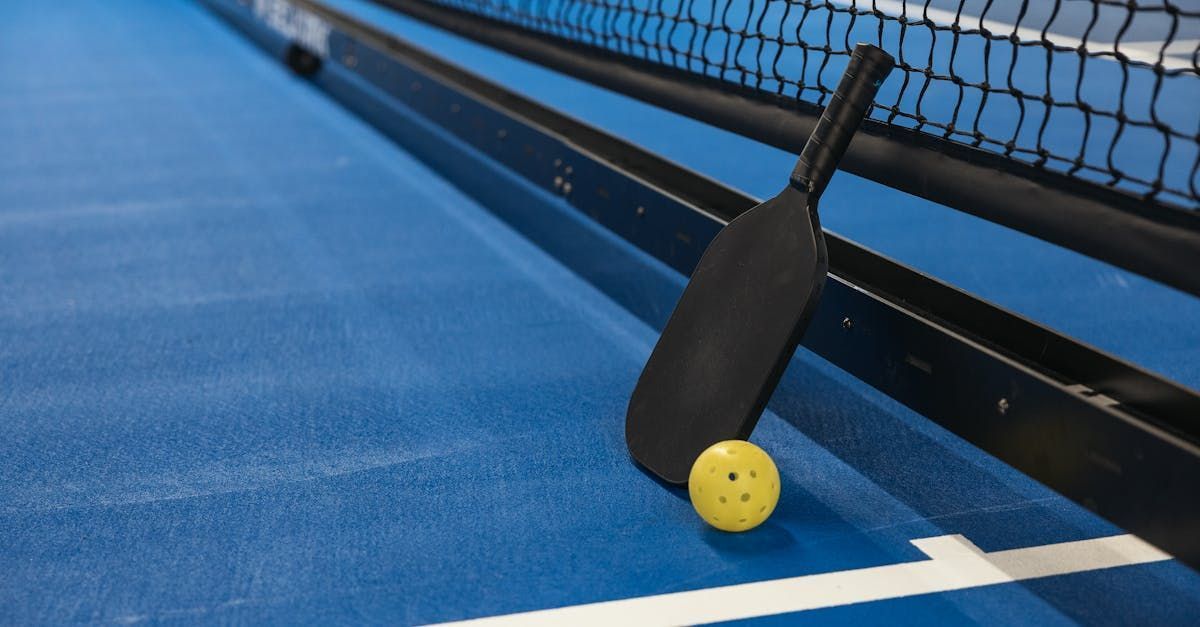
Pickleball paddle and ball on a blue court next to a net.
By Mor Sports Group February 27, 2026
Complete guide to maintaining pickleball courts. Learn essential care routines, seasonal maintenance, common problems, and professional tips to keep your courts in championship condition year-round.
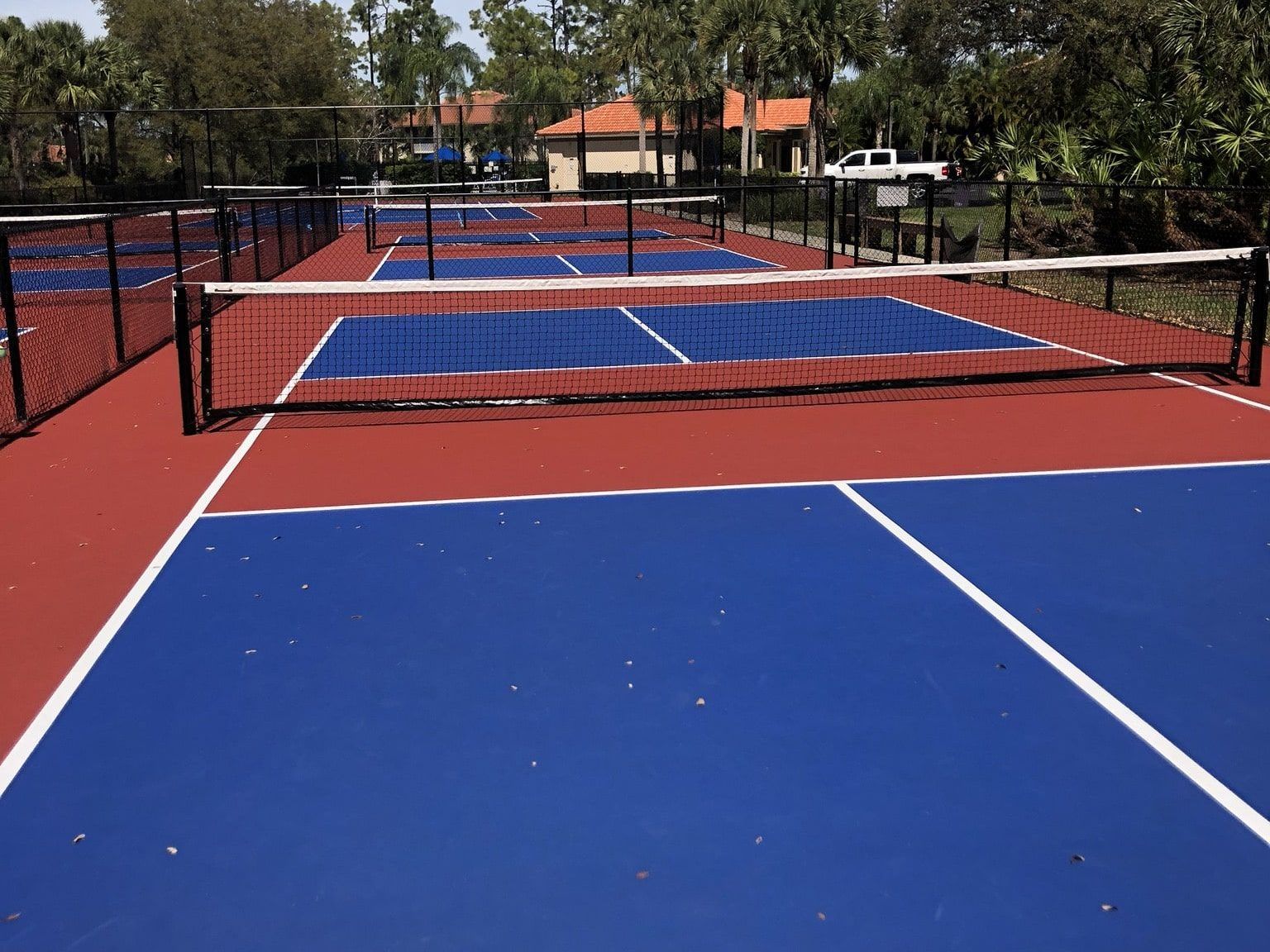
Yellow pickleball and black paddle on a blue court next to a white line.
By Mor Sports Group February 22, 2026
Learn the key warning signs that indicate your pickleball court needs resurfacing. Expert guidance on cracks, fading, texture loss, and when to call professionals for court restoration.
By Mor Sports Group February 21, 2026
Extend your artificial turf's life with Mor-Sports' expert maintenance guide. Learn daily, weekly, and annual care tips for lasting performance & safety.
Aerial view of a soccer field with a running track, surrounded by houses and trees.
By Mor Sports Group February 8, 2026
Explore the surging demand for eco-friendly sports surfaces and key industry trends for 2026. Discover sustainable materials, green building innovations, and why recycled turf is critical for modern sports facilities.
By Mor Sports Group February 4, 2026
Learn essential summer maintenance tips to protect your tennis court from heat damage, improve player safety, and extend your court's lifespan during the hottest months.
Close-up of small gray and tan gravel rocks.
By Mor Sports Group February 2, 2026
Discover why crushed stone is the top choice for bocce ball courts. Learn about superior drainage, consistent surface quality, durability, low maintenance, and cost advantages for your court project.
Black pickleball paddle and yellow ball on a blue court next to a white line.
February 1, 2026
Discover the best surface paints for pickleball courts. Learn key features, application tips, and maintenance advice.
Basketball hoop with weathered backboard and net, set against blurry trees.
By Mor Sports Group January 27, 2026
Learn how heat, cold, rain, and UV rays affect outdoor basketball court materials. Discover which surfaces work best for your climate and get expert maintenance tips to extend your court's lifespan.
Tennis ball on a white line on a blue court, with blurred lights in the background.
By Mor Sports Group January 23, 2026
Discover the key differences between artificial turf and natural grass for padel courts. Learn about costs, maintenance, playability, and which surface is right for your climate and usage needs.