
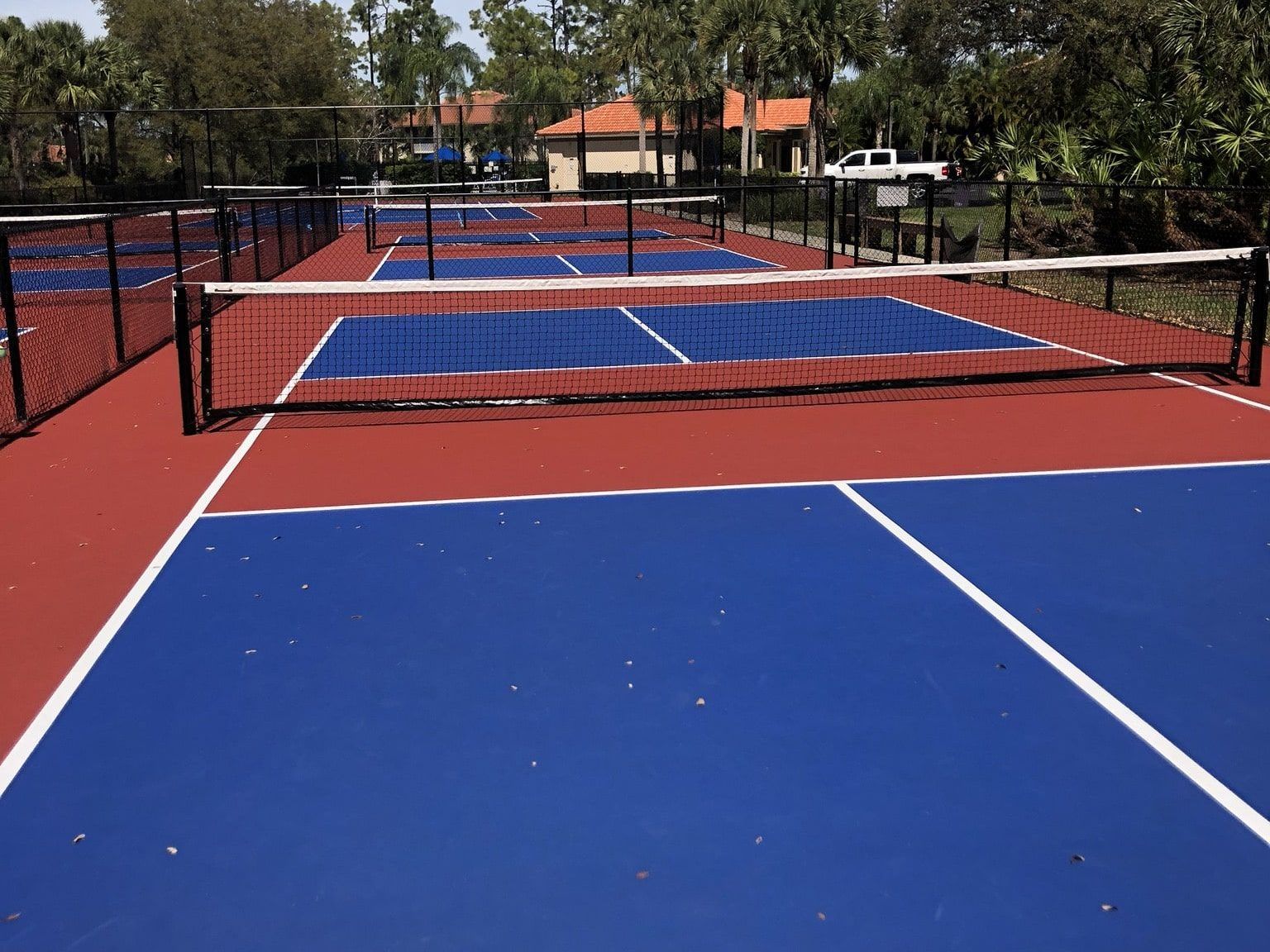
Eco-Friendly Options for Pickleball Court Surfaces

April 28, 2025

Thinking about building or resurfacing a pickleball court? Going green is more than just a trend, it’s a smart move for your budget, your players, and the planet. Eco-friendly court surfaces not only reduce your environmental impact but also offer long-term durability and comfort. Let’s break down the top sustainable options, what they’re made of, and how to choose the best fit for your court.

Why Choose Eco-Friendly Pickleball Court Surfaces?

Sustainable court surfacing isn’t just about recycling. It’s about creating a healthier space for players and the community while reducing harmful emissions and waste. Here’s why it makes sense:

  • Better for player health: Many eco-friendly surfaces are low in toxins and easier on joints.
  • Lower maintenance: Green materials often last longer and need fewer repairs.
  • Environmental impact: Choosing sustainable materials helps reduce your carbon footprint and supports a cleaner, safer future.

It also sends a strong message — that your facility or home court cares about the environment and is built with long-term responsibility in mind.

Top Sustainable Pickleball Court Surface Materials

Several materials work well for eco-conscious court builders. Some are made with recycled components, while others are designed to reduce emissions during manufacturing. Here’s a quick breakdown:

Recycled Rubber and Plastic Surfaces

These surfaces are a smart, eco-conscious choice made from repurposed materials like old tires and plastics. They’re ideal for reducing waste while offering excellent comfort and durability for players.

  • Made from materials like used tires and post-consumer plastics
  • Often found in underlayers or modular tile surfaces
  • Durable and weather-resistant
  • Comfortable underfoot for long games

These are especially good for community courts or facilities focused on joint-friendly surfaces.

Certified Green Acrylic Coatings

These coatings give you professional-grade play while using safer ingredients.

  • Low-VOC and Green Wise Certified (see Green Wise Paints)
  • Applied over asphalt or concrete bases
  • Available in customizable colors
  • UV and slip-resistant for outdoor or indoor use

They strike a great balance between aesthetics, performance, and environmental impact.

Modular Tile Systems

Modular tiles made from recyclable polypropylene are a modern favorite. They're easy to maintain, replace, and reuse.

  • Ideal for temporary or high-traffic courts
  • Water drains easily through built-in gaps
  • Individual tiles can be swapped out as needed
  • Can be installed over existing surfaces with minimal prep

Eco-Friendly vs. Traditional Surfaces

Traditional surfaces like concrete and asphalt still dominate pickleball court construction. But how do they stack up against green alternatives?

Concrete & Asphalt: The Usual Go-Tos

Concrete and asphalt are the most common surfaces used for pickleball courts, mainly because they’re durable, relatively affordable, and low-maintenance once installed. They provide a firm, consistent bounce and can handle high traffic, making them a go-to choice for public parks and recreational facilities. Their long life span adds to their appeal, especially when the budget is a key concern.

On the downside, both materials are hard on joints and offer little shock absorption, which can lead to player fatigue or injury. They also carry a high environmental cost due to the energy-intensive manufacturing and emissions involved in their production. Repairing or resurfacing these materials sustainably is challenging, often requiring new resource use instead of recycling.

Greener Alternatives: What You Get Instead

Sustainable surfaces offer:

  • Shock absorption for better joint support
  • Lower emissions during production
  • Recycled content that keeps waste out of landfills
  • Long-term cost savings through less frequent repairs and replacements

Going green isn’t always more expensive, especially when you factor in long-term use.

Innovative Green Building Processes

Eco-conscious court construction doesn’t stop at the surface. Builders are now using smarter, cleaner methods during installation, too.

Water Capture and Reuse

Instead of letting water used during equipment cleaning go to waste, some companies collect and reuse it during construction. It saves money and significantly cuts down on water waste.

Full Depth Reclamation

This method grinds up and reuses existing asphalt or stone base layers on-site.

  • No need to haul old materials off-site
  • Reduces fuel consumption from transport
  • Cuts emissions from asphalt production

It’s efficient, budget-friendly and minimizes environmental impact.

LEED-Certified Materials

If you're aiming for a green building certification, make sure your surface materials and construction processes qualify for LEED SS Credit 7.1 or other sustainability points.

Choosing the Right Surface for Your Court

There’s no one-size-fits-all. It depends on:

  • Player age & health: Older players? Choose cushioned or modular surfaces.
  • Indoor vs outdoor: Indoor courts can use acrylics with lower UV resistance; outdoor courts need more durability.
  • Budget: Recycled rubber or basic asphalt may be more cost-effective upfront; cushioned acrylics cost more but last longer.
  • Maintenance: Modular tiles are easy to replace; acrylic needs periodic recoating.

Ask yourself: Is this a casual backyard court, a school installation, or a tournament-level setup? Match the surface to the purpose.

Eco-Friendly Maintenance Tips

A green court should stay green — here’s how to maintain it responsibly:

  • Use non-toxic cleaners and avoid harsh chemicals.
  • Regularly sweep or air-blow debris rather than pressure-washing.
  • Replace only what’s damaged — especially with modular or tile-based surfaces.
  • Recoat or refresh with low-VOC products when needed.

Keeping your court clean and in shape helps it last longer, which means less waste and lower lifetime costs.

Indoor vs Outdoor: What’s Best for Eco Surfaces?

Whether your court is built indoors or outdoors will influence the type of eco-friendly surface that works best. Indoor courts are protected from the weather but may need materials that reduce indoor air pollution. Outdoor courts need to stand up to sun, rain, and temperature changes while still supporting sustainability.

Indoor Courts

Outdoor Courts

  • Use UV-resistant acrylic coatings
  • Modular tiles work well for drainage and weather exposure
  • Durable bases like concrete or asphalt are common but can be overlaid with green options

Work with Experienced Green Builders

An eco-friendly design is only as good as the team behind it. If you're planning a new court or resurfacing an old pickleball court, partnering with an expert is key.

Mor Sports Group is a leading name in custom pickleball court construction. They combine high-performance materials with sustainability to create courts that look good, play great, and stand the test of time. From personal backyard builds to large-scale commercial installations, their team will guide you through every step, from planning to completion, with a strong focus on eco-friendly construction practices.

Conclusion

An eco-friendly pickleball court isn't just good for the planet, it’s good for everyone who plays on it. With the right materials, smart construction, and responsible maintenance, you’ll get a surface that performs beautifully and supports long-term sustainability. Whether you’re building from scratch or upgrading what you’ve got, going green is a smart move that future generations (and your players) will thank you for.

Man mowing the grass on a soccer field in a stadium with purple seating.
By Mor Sports Group March 8, 2026
Maximize synthetic grass field safety with Mor-Sports' best practices. Learn essential guidelines for player injury prevention, field maintenance, and athletic regulations.
Pickleball paddle and ball on a blue court next to a net.
By Mor Sports Group February 27, 2026
Complete guide to maintaining pickleball courts. Learn essential care routines, seasonal maintenance, common problems, and professional tips to keep your courts in championship condition year-round.
Yellow pickleball and black paddle on a blue court next to a white line.
By Mor Sports Group February 22, 2026
Learn the key warning signs that indicate your pickleball court needs resurfacing. Expert guidance on cracks, fading, texture loss, and when to call professionals for court restoration.
By Mor Sports Group February 21, 2026
Extend your artificial turf's life with Mor-Sports' expert maintenance guide. Learn daily, weekly, and annual care tips for lasting performance & safety.
Aerial view of a soccer field with a running track, surrounded by houses and trees.
By Mor Sports Group February 8, 2026
Explore the surging demand for eco-friendly sports surfaces and key industry trends for 2026. Discover sustainable materials, green building innovations, and why recycled turf is critical for modern sports facilities.
By Mor Sports Group February 4, 2026
Learn essential summer maintenance tips to protect your tennis court from heat damage, improve player safety, and extend your court's lifespan during the hottest months.
Close-up of small gray and tan gravel rocks.
By Mor Sports Group February 2, 2026
Discover why crushed stone is the top choice for bocce ball courts. Learn about superior drainage, consistent surface quality, durability, low maintenance, and cost advantages for your court project.
Black pickleball paddle and yellow ball on a blue court next to a white line.
February 1, 2026
Discover the best surface paints for pickleball courts. Learn key features, application tips, and maintenance advice.
Basketball hoop with weathered backboard and net, set against blurry trees.
By Mor Sports Group January 27, 2026
Learn how heat, cold, rain, and UV rays affect outdoor basketball court materials. Discover which surfaces work best for your climate and get expert maintenance tips to extend your court's lifespan.
Tennis ball on a white line on a blue court, with blurred lights in the background.
By Mor Sports Group January 23, 2026
Discover the key differences between artificial turf and natural grass for padel courts. Learn about costs, maintenance, playability, and which surface is right for your climate and usage needs.