How to Properly Maintain and Resurface Your Tennis Court

December 3, 2024
A vacuum cleaner is sitting on top of a basketball court.

Proper maintenance and resurfacing are critical to ensuring the longevity and performance of a tennis court. The surface type significantly influences the required upkeep, and neglecting these needs can lead to costly repairs or unsafe playing conditions. Below is a detailed look at maintenance and resurfacing practices based on the most common court surfaces: hard courts, clay courts, grass courts, and synthetic turf.

Hard Courts

Hard courts are known for their durability and relatively low maintenance requirements, but they still need regular care to remain in good condition.

  1. Routine Maintenance:
  2. Cleaning: Dirt, debris, and leaves should be regularly swept off the surface. Courts should be hosed down periodically to prevent dirt from embedding into the surface.
  3. Crack Repairs: Over time, cracks may appear due to weather conditions or heavy use. Small cracks can be filled with acrylic crack fillers to prevent them from expanding.
  4. Court Resurfacing: Resurfacing is required every 4-8 years to maintain the smoothness and traction of the court. The court is thoroughly cleaned during resurfacing, and a new acrylic coating is applied. The cost for resurfacing ranges between $4,000 and $12,000, depending on the extent of repairs and the size of the court.
  5. Resurfacing Process:
  6. Surface Preparation: This involves cleaning the court, filling in cracks, and smoothing surface imperfections.
  7. Acrylic Layers: Multiple layers of acrylic surface are applied to create a durable, weather-resistant finish. New playing lines are painted after the resurfacing is completed.

Clay Courts

Clay courts provide a softer playing surface that requires more frequent maintenance to preserve its unique playing characteristics.

  1. Routine Maintenance:
  2. Watering: Clay courts must be regularly watered to compact the surface and maintain proper moisture levels. This is typically done daily during warm weather.
  3. Brushing and Rolling: After play, the court should be brushed to redistribute the clay evenly. Regular rolling helps maintain the surface’s flatness and firmness.
  4. Annual Resurfacing:
    1. Clay courts require a full resurfacing every 5-7 years, which includes adding new clay and compacting the surface. Costs range from $5,000 to $15,000, depending on the size and condition of the court.
  5. Seasonal Maintenance: In colder climates, courts need to be winterized appropriately, which includes removing nets and accessories and preparing the court surface for freezing conditions.

Grass Courts

Grass courts are rare due to their high installation and maintenance costs. For those who favor this surface, it is essential to note that consistent maintenance is vital for playable conditions.

  1. Routine Maintenance:
  2. Mowing: Grass courts must be mowed at least twice weekly to maintain a uniform playing surface. The grass must be kept at a specific height (usually around 8 mm to 13 mm) for optimal play.
  3. Irrigation: Regular watering is essential to keep the grass healthy and prevent the soil from becoming too dry or compacted.
  4. Weed and Pest Control: Regular treatment is needed to prevent weeds from overtaking the grass and to control pests that can damage the lawn.
  5. Resurfacing and Reseeding:
    1. Grass courts require annual reseeding and fertilizing to fill worn areas and keep the grass lush and playable. The cost of reseeding and resurfacing can range from $10,000 to $25,000.

Synthetic Turf Courts

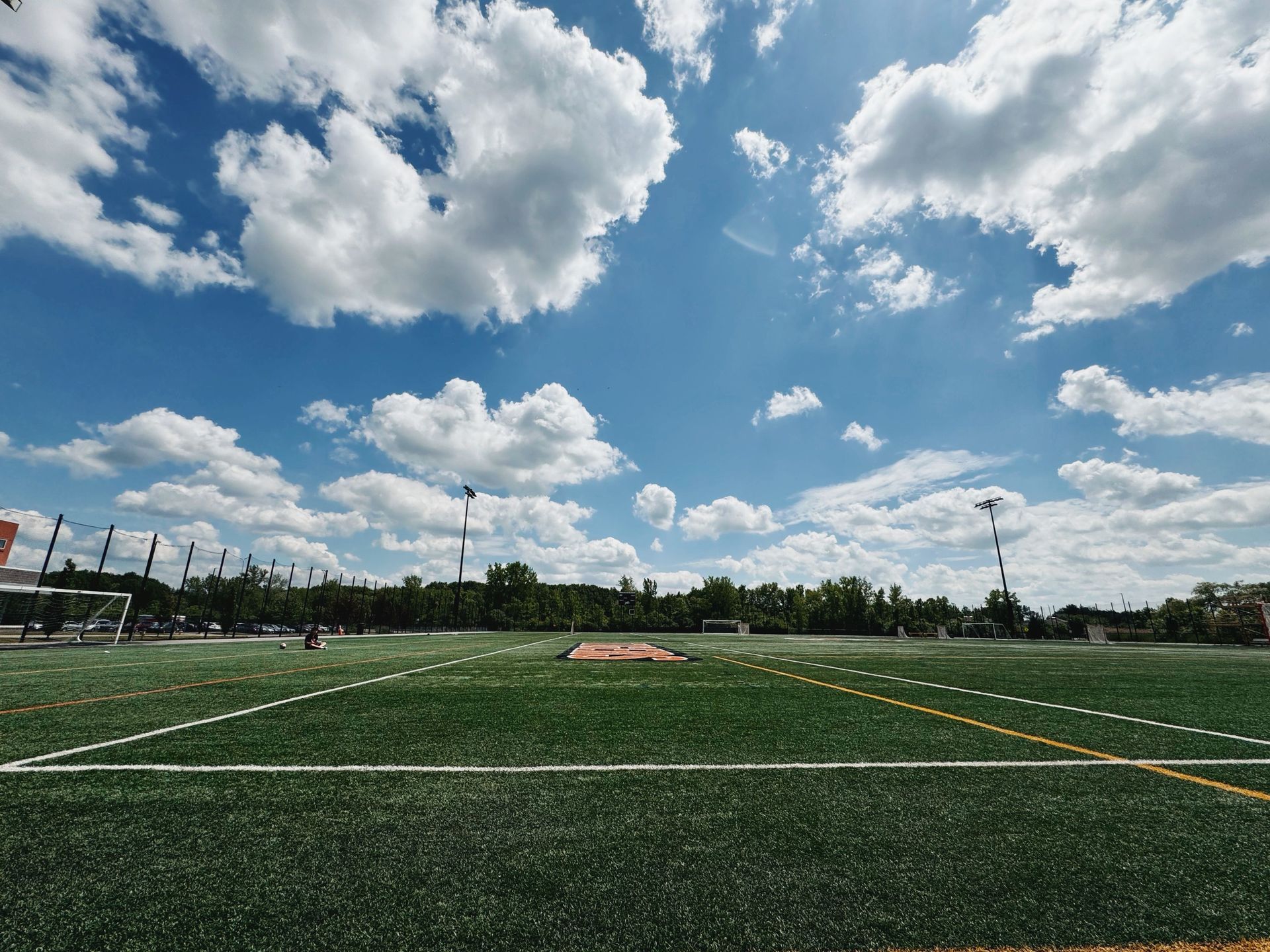
Synthetic turf is designed to mimic the look and feel of natural grass while requiring less maintenance. It is durable and offers good resistance to wear and weather, making it a popular choice for multi-use courts.

  1. Routine Maintenance:
  2. Brushing: To maintain the integrity of the synthetic fibers, the surface should be brushed regularly to ensure even distribution of the infill material (if used) and to keep the turf upright.
  3. Debris Removal: Synthetic courts require periodic cleaning to remove debris, dirt, and leaves that can accumulate on the surface. Using a blower or broom to remove these materials helps preserve the court’s condition.
  4. Resurfacing:
  5. Lifespan: Synthetic turf courts generally need to be resurfaced every 10 years, depending on usage. This involves replacing the turf or repairing any worn or damaged sections. The cost for resurfacing synthetic courts ranges from $3,000 to $10,000.


We have already written a detailed guide on How to select the right Tennis court surface? Do check it out!

The Role of Climate in Tennis Court Maintenance

Climate plays a significant role in determining how often tennis courts need maintenance and resurfacing. Different weather conditions impact court surfaces uniquely, requiring tailored care to preserve their quality and functionality. Understanding these influences helps ensure proper upkeep and extends the court's life.

Hot and Dry Climates

Courts in hot and dry regions may experience faster surface deterioration due to UV exposure and temperature fluctuations. Hard courts are particularly vulnerable to cracking under these conditions, while clay courts might require more frequent watering to prevent them from drying out.

Cold Climates

Grass courts in colder climates must be winterized carefully to avoid frost damage. Frost can kill the grass and compact the soil, making proper seasonal preparation essential for these courts.

Rainy and Humid Climates

Rain and high humidity significantly impact maintenance schedules. For example, clay courts need consistent attention after rainfall to prevent the surface from becoming too soft or losing compactness. Synthetic turf courts might also experience faster wear due to water pooling, highlighting the importance of an effective drainage system.

Signs Resurfacing is Needed

Recognizing when your tennis court needs resurfacing is vital for maintaining its safety and functionality. Addressing key warning signs promptly can prevent costly repairs and extend the court’s lifespan. Here are some signs to watch for to determine when to begin resurfacing or maintenance efforts:

  1. Cracks that appear across the surface, especially if they are widespread, indicate significant wear that requires resurfacing.
  2. Pooling water after rainfall, caused by poor drainage or uneven surfaces, suggests immediate attention is needed.
  3. A fading color or peeling surface coating indicates that the court’s finish has deteriorated and needs restoration.
  4. Uneven ball bounce during play highlights surface degradation, impacting gameplay and safety.
  5. Rough or slippery textures on hard courts suggest that the surface has lost traction and requires resurfacing to restore player safety.

Conclusion

Regular maintenance and timely resurfacing are essential for preserving tennis courts' safety, performance, and longevity. Each surface type has unique care needs and resurfacing schedules. At More Sports Group, we specialize in expert court maintenance and resurfacing, addressing issues like cracks, uneven surfaces, or fading coatings to prevent costly repairs. Proactive upkeep not only maintains the court’s appearance but also protects your investment for years to come. Trust Mor Sports Group to ensure your tennis court remains in top condition.

Basketball hoop with weathered backboard and net, set against blurry trees.
By Mor Sports Group January 27, 2026
Learn how heat, cold, rain, and UV rays affect outdoor basketball court materials. Discover which surfaces work best for your climate and get expert maintenance tips to extend your court's lifespan.
Tennis ball on a white line on a blue court, with blurred lights in the background.
By Mor Sports Group January 23, 2026
Discover the key differences between artificial turf and natural grass for padel courts. Learn about costs, maintenance, playability, and which surface is right for your climate and usage needs.
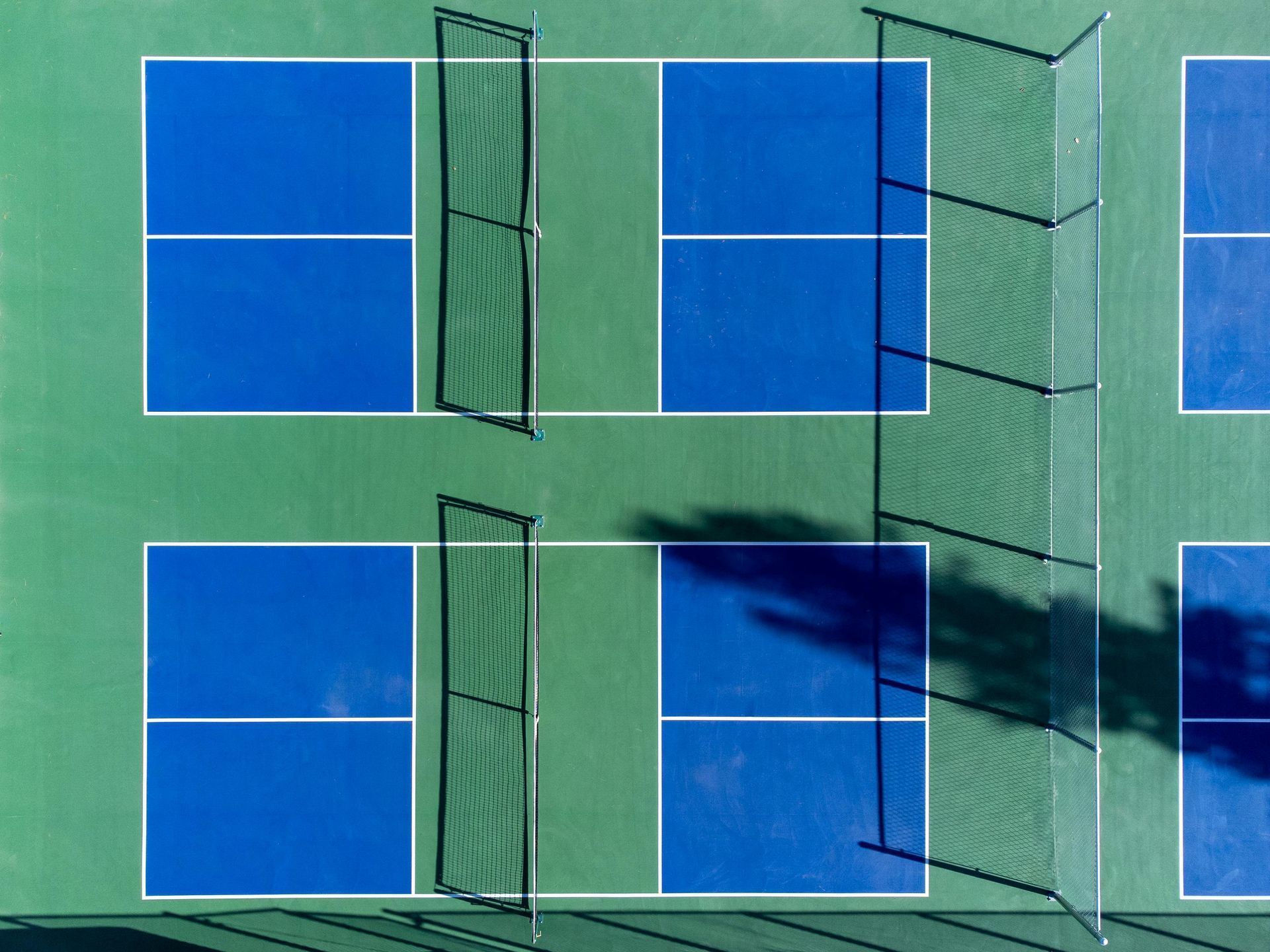
Overhead view of pickleball courts with blue playing areas and green surrounds.
January 18, 2026
Considering concrete for your pickleball court? Learn the pros and cons including durability, ball bounce consistency, maintenance needs, joint impact, and installation costs to make an informed decision.
January 5, 2026
Cracks on a tennis court are more than just an eyesore—they’re the first sign that your court is weakening. After resurfacing, it’s natural to want that fresh, flawless look to last as long as possible. The good news? With the right maintenance plan and a few strategic habits, you can dramatically reduce the risk of cracking and get more life out of your court.
December 22, 2025
Building a clay tennis court isn’t just about spreading clay and calling it done. What’s underneath the surface matters just as much—maybe even more. The base is what keeps the court stable, drains water, and helps players enjoy a consistent game. If the base is done wrong, the court won’t play right, won’t last, and will cost more in repairs over time. Let’s take a closer look at why getting the base construction right is so important.
December 5, 2025
Pickleball is growing fast, and with that comes a big question for homeowners, clubs, and city planners: what’s the best surface for a pickleball court— asphalt or concrete ? Your choice can affect everything from player comfort to maintenance costs. This guide will walk you through everything you need to know in a simple and educational tone.
December 5, 2025
Resurfacing your tennis court is a great investment, but keeping it in top shape takes effort. Without regular care, even a newly resurfaced court can wear down faster than you’d expect. In this guide, we'll go over practical, easy-to-follow tips to help you get the most out of your court for years to come.
November 20, 2025
Taking the time to care for your newly resurfaced tennis court isn’t just about keeping it looking good. It’s about making sure it lasts, stays safe to play on, and feels great underfoot. Once the resurfacing job is complete, the real work begins to keep your investment in top shape. If you're managing a private court or a sports facility, knowing the right maintenance steps makes a big difference.
November 12, 2025
If you want your tennis court to last for years and stay in good playing condition, winter maintenance is a must. Snow, ice, cold temps, and moisture can do serious damage to any court surface if it’s left unprotected. Taking the time to properly winterize your court now means fewer problems, lower repair bills, and better games when spring returns.
June 9, 2025
A smooth, safe, and visually appealing tennis court makes a huge difference in your game and your property's value. Resurfacing isn't just about keeping things looking fresh. It's about making sure your court is playable, comfortable underfoot, and free from hazards. Whether you're running a sports facility, managing a club, or maintaining a backyard court, knowing when and how to resurface is key.