
How to Protect Resurfaced Tennis Courts From Cracking

Cracks on a tennis court are more than just an eyesore—they’re the first sign that your court is weakening. After resurfacing, it’s natural to want that fresh, flawless look to last as long as possible. The good news? With the right maintenance plan and a few strategic habits, you can dramatically reduce the risk of cracking and get more life out of your court.
Why Tennis Court Cracks Happen—And Why You Should Act Early
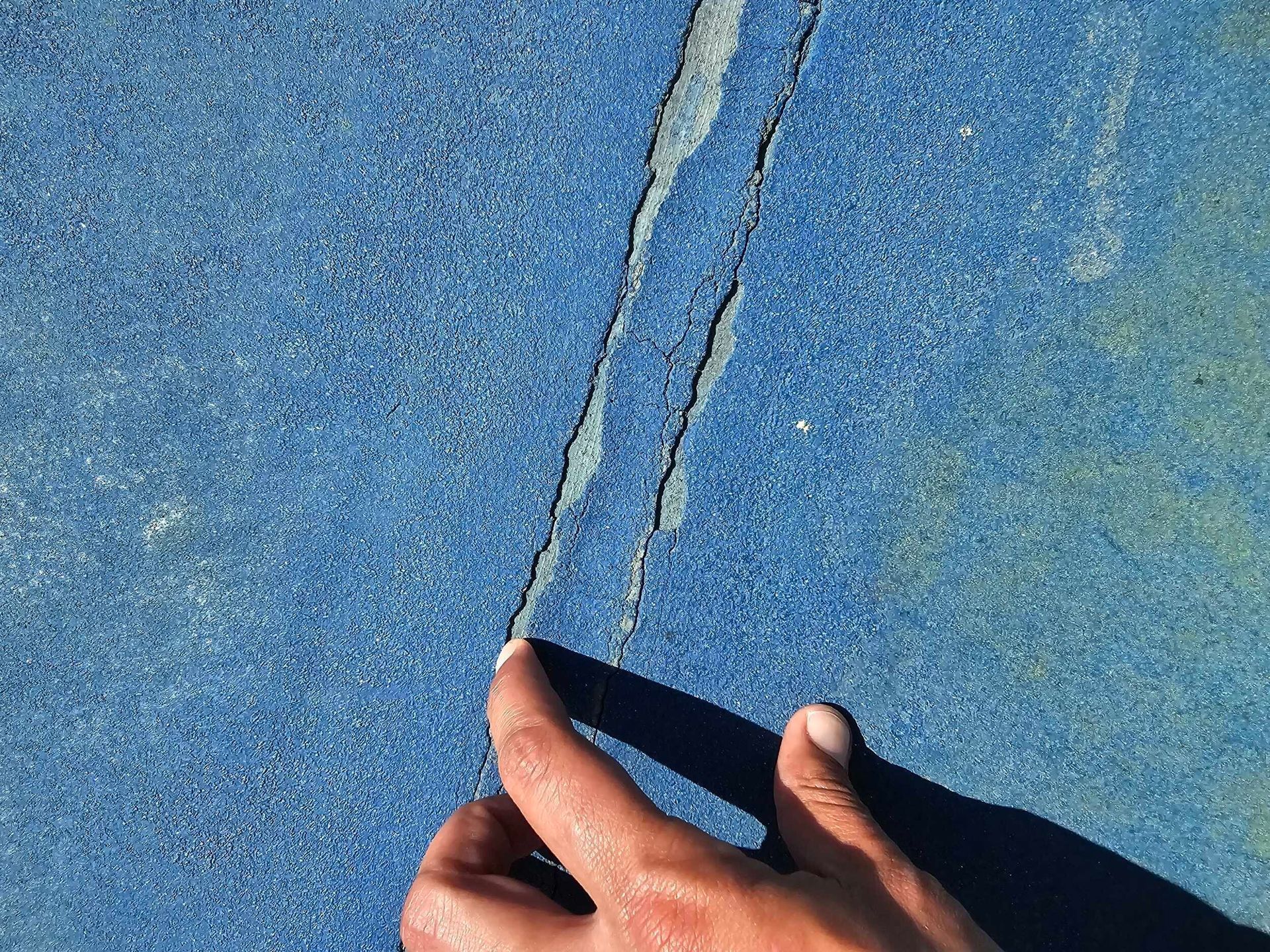
Tennis court cracks don’t appear overnight. They start small, often invisible to the casual eye. Water sneaks in, the sun beats down, temperatures shift, and suddenly that tiny line is a web of damage. Ignoring those early signs often leads to costly repairs.
A crack-free court isn’t just about good looks—it’s about playability, safety, and long-term savings. Early action can save you thousands and keep your court game-ready all year round.
Start With a Solid Foundation
Think of a tennis court like a house: the foundation matters most. Poor preparation during the original build or resurfacing can lead to cracks even if the top layers look great.
When resurfacing, insist on:
- A properly compacted and leveled sub-base
- Use of geotextile fabric or vapor barriers in wet regions
- Quality asphalt or post-tensioned concrete
- A flexible acrylic resurfacing system that adapts to the climate
If you’re unsure about your base quality, bring in a pro to assess before you resurface.
Drainage Is Everything
Standing water is a tennis court’s worst enemy. Poor drainage doesn’t just cause surface staining—it destabilizes the layers beneath, leading to cracking from below.
Ways to improve and manage drainage:
- Grade the court with a 1% slope to encourage runoff
- Install trench drains or French drains around the perimeter
- Regularly clean out drainpipes and leaf traps
- Avoid planting water-loving shrubs nearby
Small investments in drainage can prevent major reconstruction later.
Inspect Your Court Regularly
A simple monthly walk-around is one of the best defenses against cracking. Don’t just glance—look close. Feel the surface underfoot. Even slight softness or bubbling can be an early warning.
Signs to look for:
- Small surface splits or hairline cracks
- Water pooling longer than 20 minutes after rain
- Color fading or texture thinning in high-use areas
Logging your inspections helps you notice changes over time. A small fix now can stop a big repair later.
Use Expansion Joints to Manage Temperature Shifts
Temperature changes make tennis courts flex. Concrete and asphalt expand in the heat and contract in the cold. Without a way to absorb that motion, the surface cracks under pressure.
Smart expansion joint strategies:
- Use flexible filler in perimeter joints
- Install joints around gates and fencing posts
- Consider cushion-layer systems that naturally absorb stress
In climates with large temperature swings, expansion planning is essential, not optional.
Watch for Trees and Roots
Tree roots don’t respect your baseline. They grow wherever they want and can lift the entire court slab from below. Even fast-growing shrubs can cause upheaval at the edges.
Tips for root management:
- Don’t plant trees within 20 feet of the court
- Use underground root barriers if trees already exist
- Keep fence lines clear of vines and spreading ground cover

Seal and Coat Your Surface Properly
Acrylic coatings do more than make your court look good—they seal in strength and seal out moisture. These coatings protect against fading, softening, and UV damage.
What a good coating should do:
- Fill microscopic surface cracks
- Prevent moisture from soaking into the base
- Reduce friction wear from aggressive play
Choose the Right Crack Repair Products
Not all crack fillers are created equal. The wrong product can make a crack worse over time. The right one moves with your court and lasts through heat, rain, and foot traffic.
Best practices:
- For minor cracks, use acrylic-based flexible fillers
- For wider cracks, opt for rubberized compounds that expand and contract
- Always clean and dry the crack fully before repair
Even small cracks should never be left open through the winter. Seal them fast and seal them right.
Resurface Every Few Years
No matter how good your maintenance routine is, every court needs resurfacing eventually. Resurfacing isn’t just about appearance—it’s about adding new protection and smoothing out early damage.
What resurfacing includes:
- Deep cleaning and power washing
- Filling low spots and hairline cracks
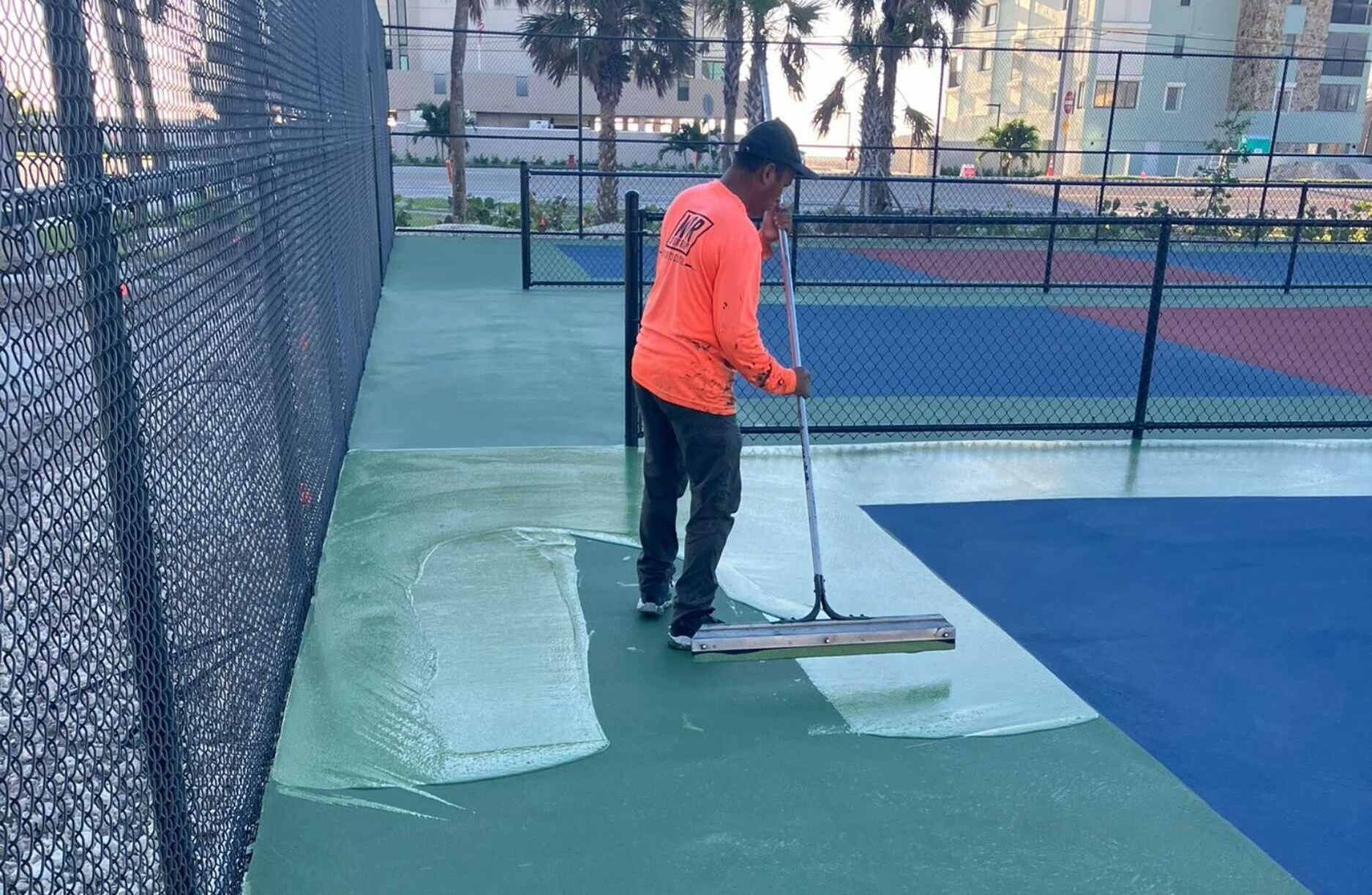
- Laying down multiple coats of resurfacer and color
- Painting fresh game lines with non-skid materials
Most courts need it every 4 to 8 years. High-traffic or exposed locations might need it more often.
Work With Professionals Who Know Sport Surfaces
Fixing cracks yourself can work in a pinch. But long-term protection takes trained eyes, tested materials, and the right tools. That’s where experts come in.
Mor Sports Group specializes in tennis court maintenance and resurfacing across all climates. They offer inspections, drainage planning, surface restoration, and full resurfacing services. Whether you’re managing a private court or a large facility, their team provides solutions that match your environment and usage needs.
Having pros on your side gives you peace of mind—and keeps your court in tournament-level condition.
Conclusion
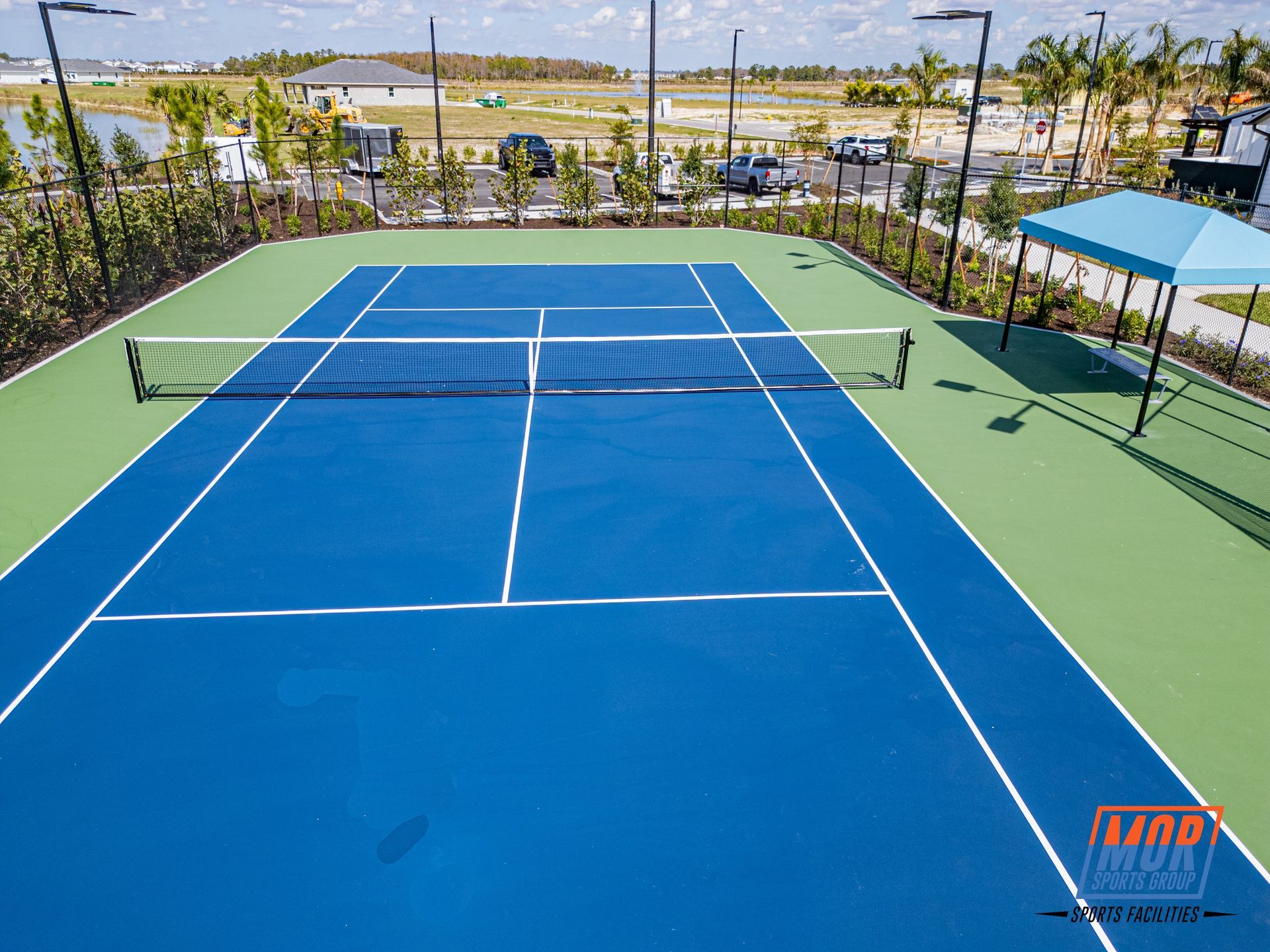
Crack prevention starts with smart planning and consistent upkeep. A little attention throughout the year goes a long way in keeping your resurfaced court in excellent condition. Your resurfaced tennis court is an investment in performance and aesthetics. With smart, proactive care, you can keep it smooth, strong, and ready to play for years to come.