
Tips to Extend the Life of Your Resurfaced Tennis Court
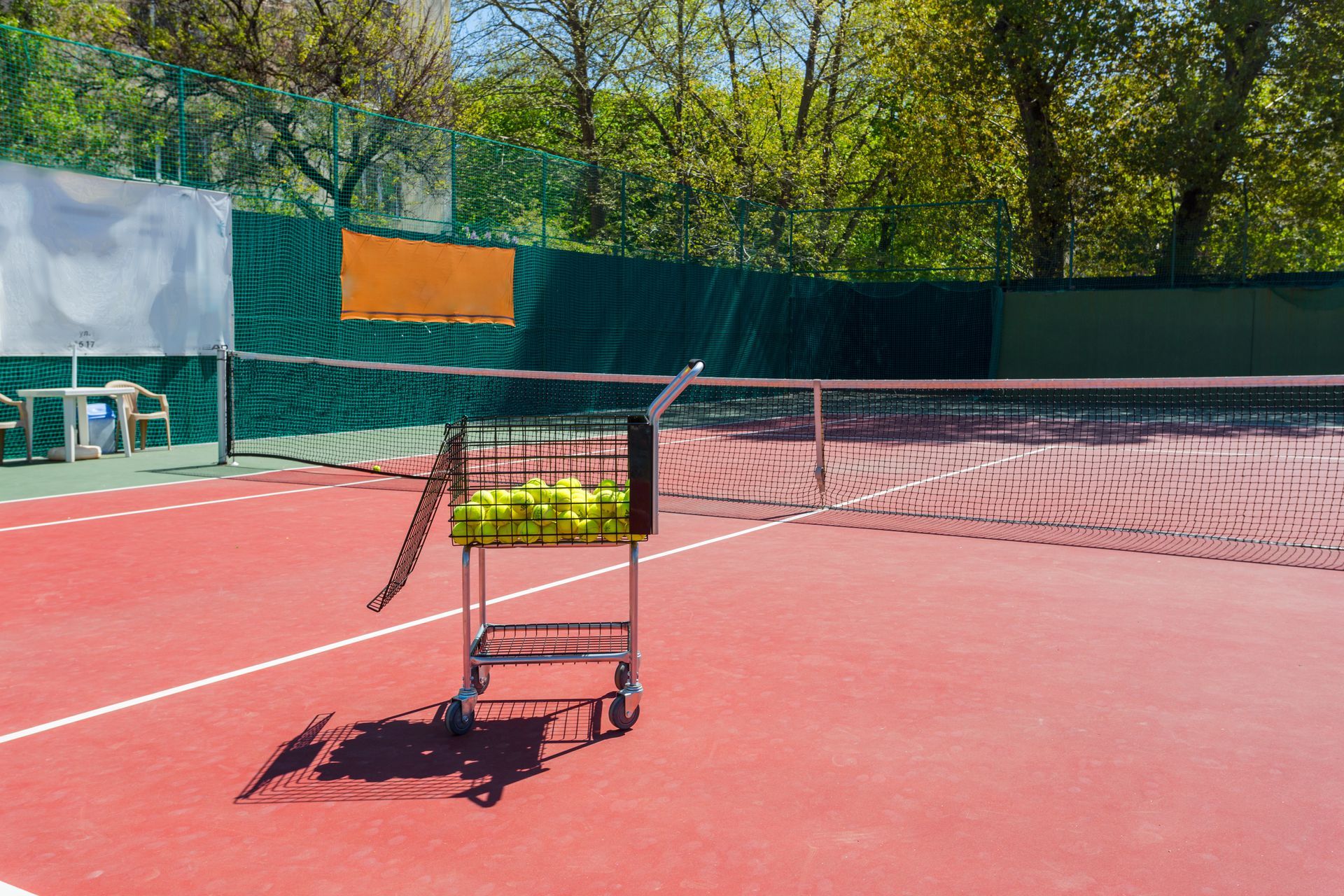
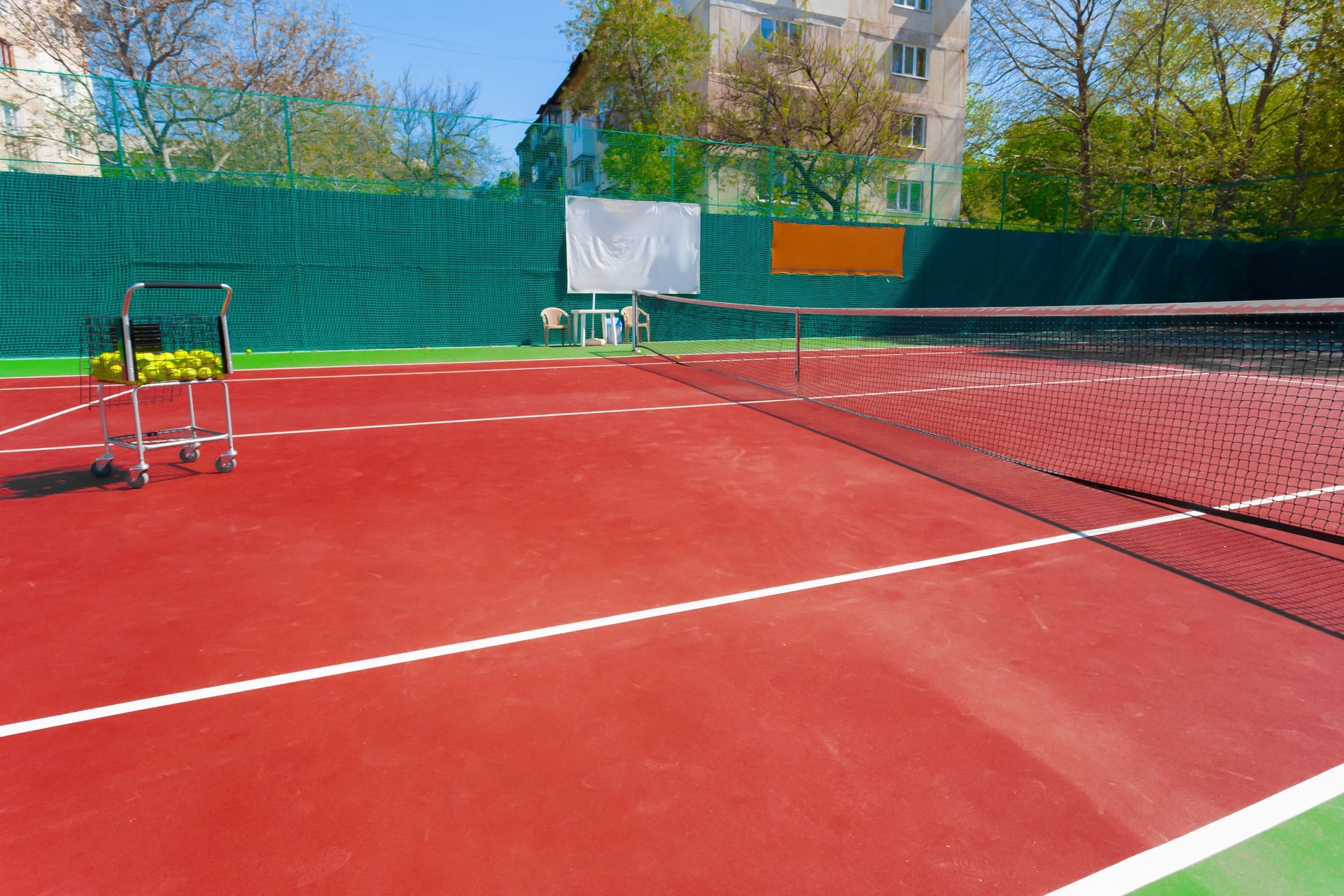
Resurfacing your tennis court is a great investment, but keeping it in top shape takes effort. Without regular care, even a newly resurfaced court can wear down faster than you’d expect. In this guide, we'll go over practical, easy-to-follow tips to help you get the most out of your court for years to come.
Why Tennis Court Maintenance Matters More Than You Think
A clean, smooth court isn't just about looks. It affects the way the ball bounces, how safe the surface is for players, and how long the materials last. Taking care of your resurfaced tennis court helps you avoid costly repairs, keep play consistent, and ensure a great experience for everyone using it.
Clean Your Court Regularly
Dirt, leaves, and debris can wear down the surface coating. When they sit too long, they trap moisture and promote mold or algae growth. Cleaning the court every week or two is an easy way to prevent surface damage.
Tips for cleaning:
- Use a soft-bristle broom or leaf blower
- Rinse with a hose and mild detergent when needed
- Avoid power washers that are too strong (they can damage coatings)
Fix Cracks While They’re Small
Small cracks may not seem like a big deal at first, but they can grow quickly. Water seeps in, freezes, expands, and suddenly you've got a major surface problem. Keeping cracks under control is key.
What you can do:
- Walk the court monthly and inspect for cracks or uneven areas
- Use crack fillers and sealants early on
- Consider hiring a professional for deeper repairs
Watch Out for Water Damage
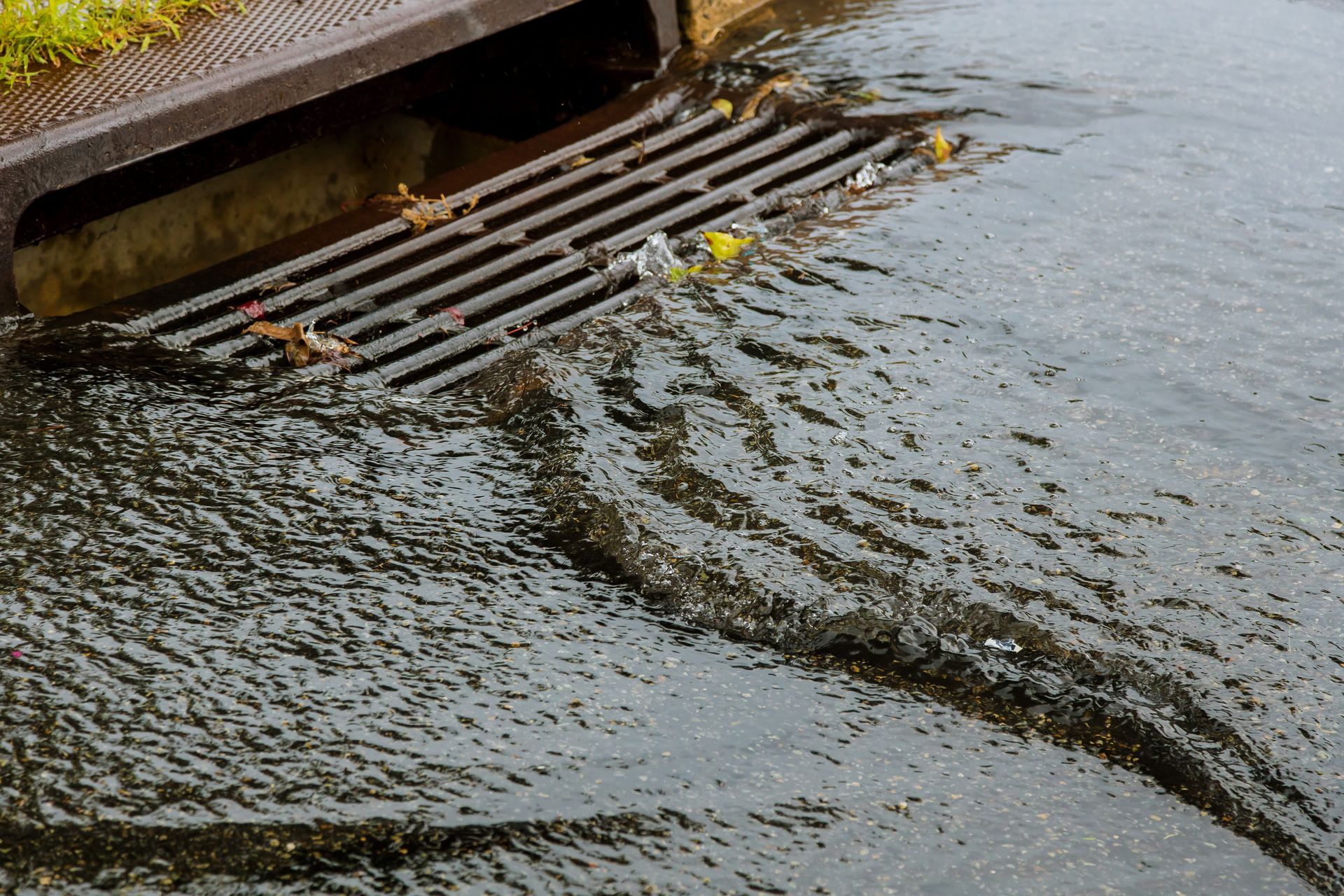
Water is one of the biggest threats to a tennis court. It can erode the surface, weaken the base layers, and cause unsightly stains or mildew. Proper drainage is a must.
Make sure to:
- Keep nearby drains and gutters clear
- Ensure the area around the court slopes away to divert water
- Avoid letting puddles sit after rain
Protect Your Court from Weather Extremes
Your court takes a beating from the sun, rain, snow, and temperature swings. Each one brings a different set of problems. UV rays fade paint, rain leads to pooling, and cold weather can cause freeze-thaw cracks.
Simple protection strategies:
- Use quality acrylic coatings to shield against UV and moisture
- Sweep off standing water after heavy rain
- Avoid playing when the surface is icy or saturated
Recoat with Acrylic Every Few Years
The acrylic layer on your court isn't permanent. It wears down with use, sunlight, and time. Recoating adds color, grip, and protection. Most courts need a fresh coat every 4 to 8 years, depending on usage.
When to consider recoating:
- The color looks faded
- The court feels slick or patchy
- The surface is losing bounce or showing signs of wear
Applying acrylic coatings extends your surface life and makes your court feel brand new again.
Use Your Tennis Court the Right Way
Not everything belongs on a tennis court. Certain shoes, toys, or activities can shorten the surface lifespan.
Avoid:
- Bikes, skateboards, or rollerblades
- Heavy furniture or gym equipment
- Black-soled shoes that leave marks
Do encourage:
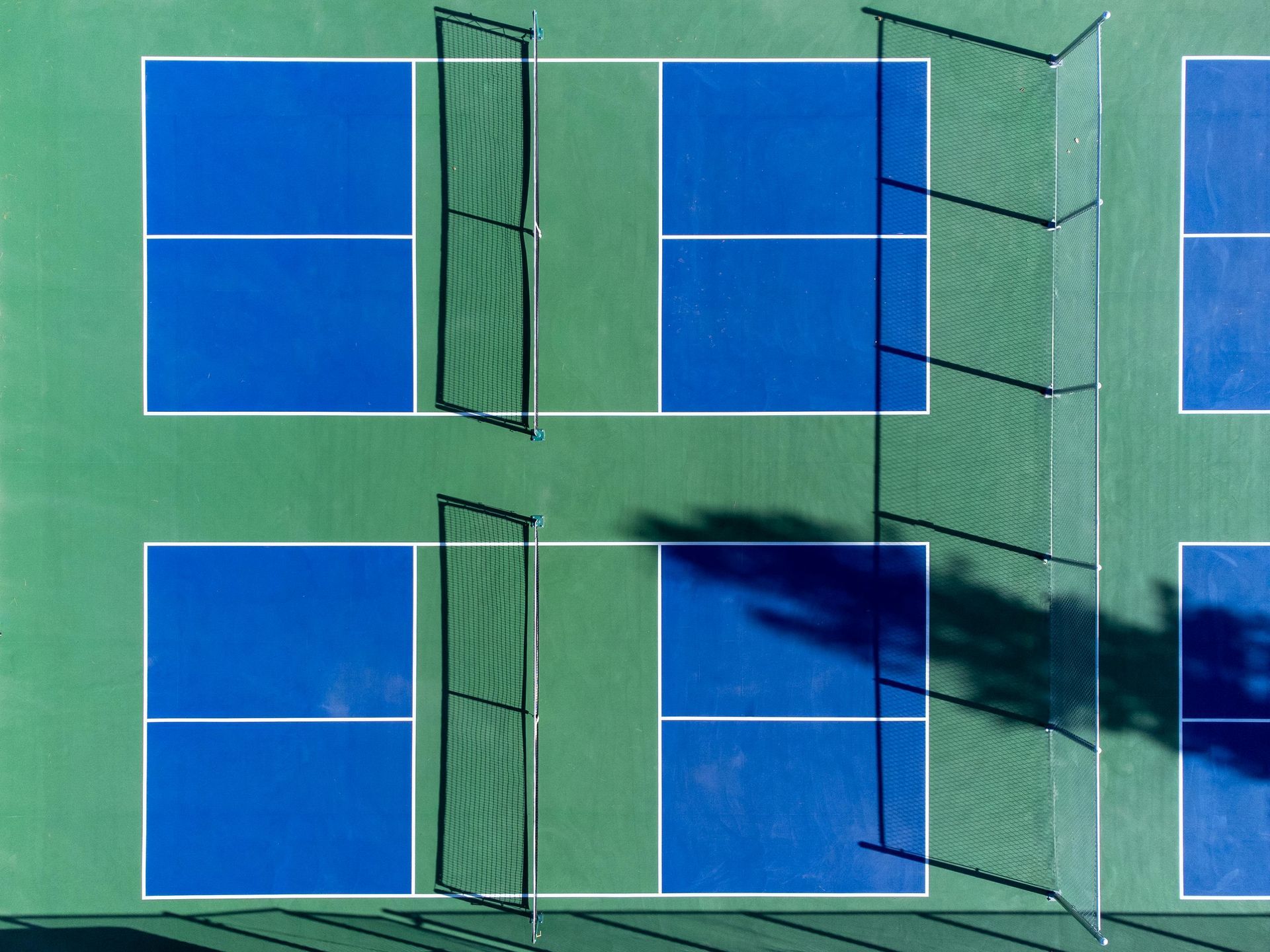
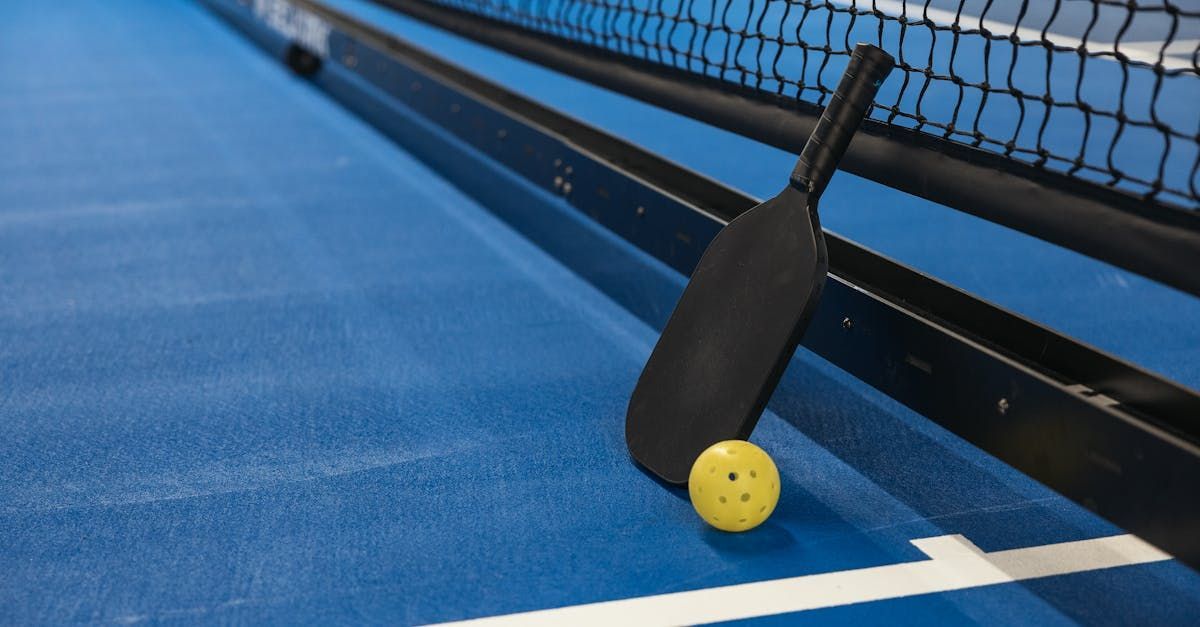
- Tennis or pickleball play with proper footwear
- Lightweight benches or scoreboards with rubber bases
Posting court rules nearby can help remind guests how to take care of the surface, too.
Schedule Professional Inspections
Even if everything looks fine on the surface, issues can be hiding underneath. Annual inspections by a professional can catch those problems early.
Benefits of inspections:
- Spot weak spots or drainage issues
- Check for base layer damage
- Keep you informed about resurfacing timelines
Companies like Mor Sports Group offer expert inspections, resurfacing, and court maintenance services. Their team works with schools, clubs, and private properties to keep courts safe and long-lasting. Whether you're resurfacing or just need upkeep, their pros can guide you through every step.
They also offer customizable solutions based on your court's condition, usage, and environment. With tailored plans and expert advice, MOR Sports Group helps ensure your investment is protected with the right balance of durability, performance, and cost-efficiency.
Manage the Area Around Your Court
It’s not just the court surface that needs attention. The landscaping and structures nearby play a big role in its health.
To keep things in check:
- Trim trees and shrubs so they don’t drop debris on the court
- Avoid placing sprinklers too close to the surface
- Ensure fencing doesn’t trap water or dirt at the court edges
A clean perimeter helps keep your surface dry and intact.
Keep Your Lines Sharp
Lines aren’t just for aesthetics. They help players stay focused and keep games fair. When lines fade, repainting them can boost the court's usability and extend surface life by preventing uneven wear.
Line maintenance tips:
- Use line marking tape or paint designed for tennis courts
- Touch up lines every 2–3 years
- Hire professionals if precision is key
Final Tips for Long-Term Tennis Court Care
To wrap things up, here’s a quick list of habits that will help your resurfaced court last:
- Inspect monthly for cracks and signs of wear
- Clean weekly and sweep after storms
- Keep drainage systems open and functioning
- Avoid non-tennis use like skating or biking
- Recoat every few years with high-quality acrylic
- Bring in the pros like Mor Sports Group for regular maintenance
Your tennis court is a big investment. With just a little regular care, it can stay beautiful, safe, and ready for play for many years.
Conclusion
Maintaining your resurfaced tennis court doesn’t have to be complicated. A few smart habits and timely repairs can add years of life to your surface. Whether you're a homeowner or manage a sports facility, these tips will keep your court in top shape and help you avoid major repairs down the road.