Concrete Surfaces for Pickleball: Pros and Cons

January 18, 2026
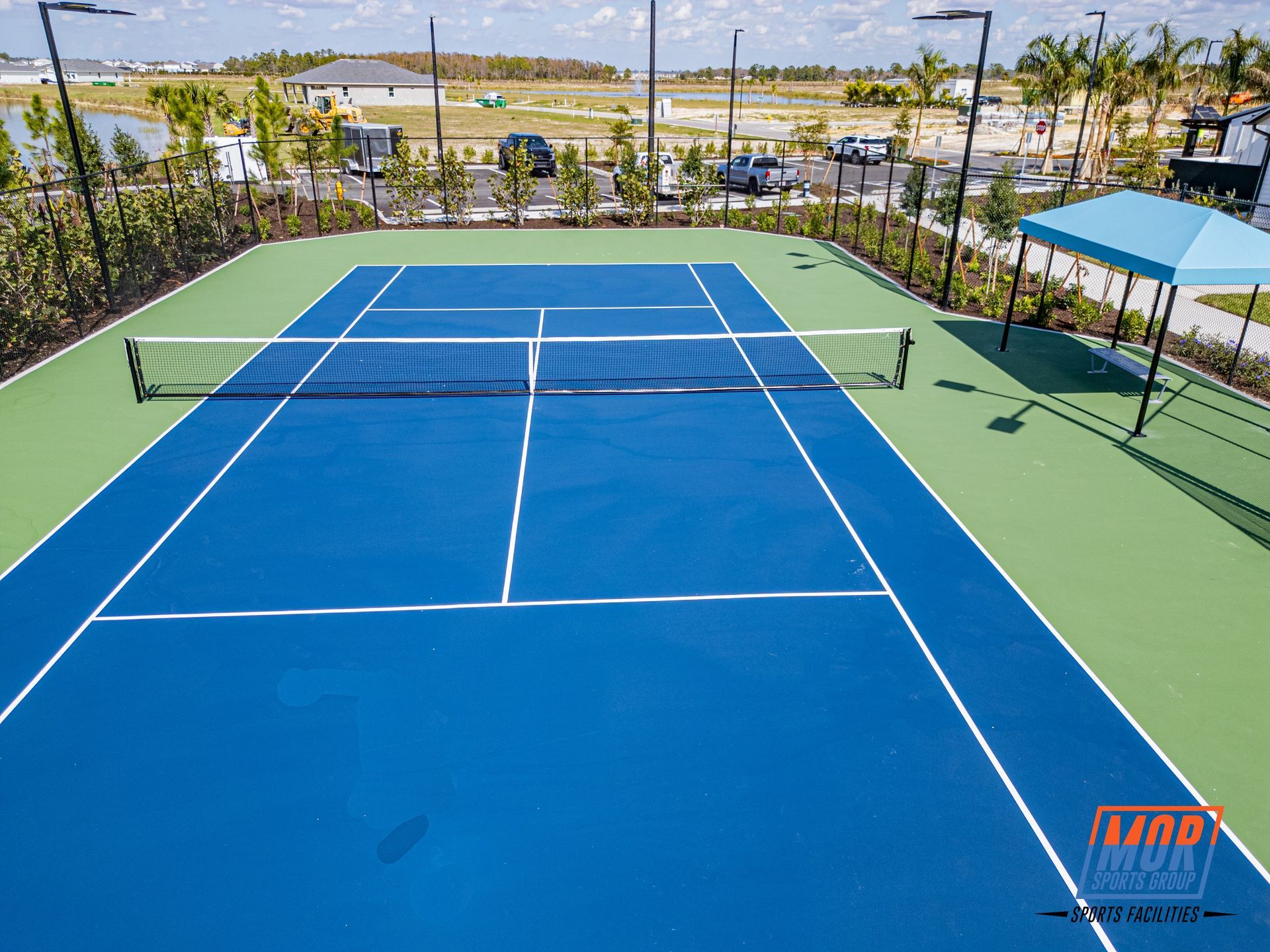
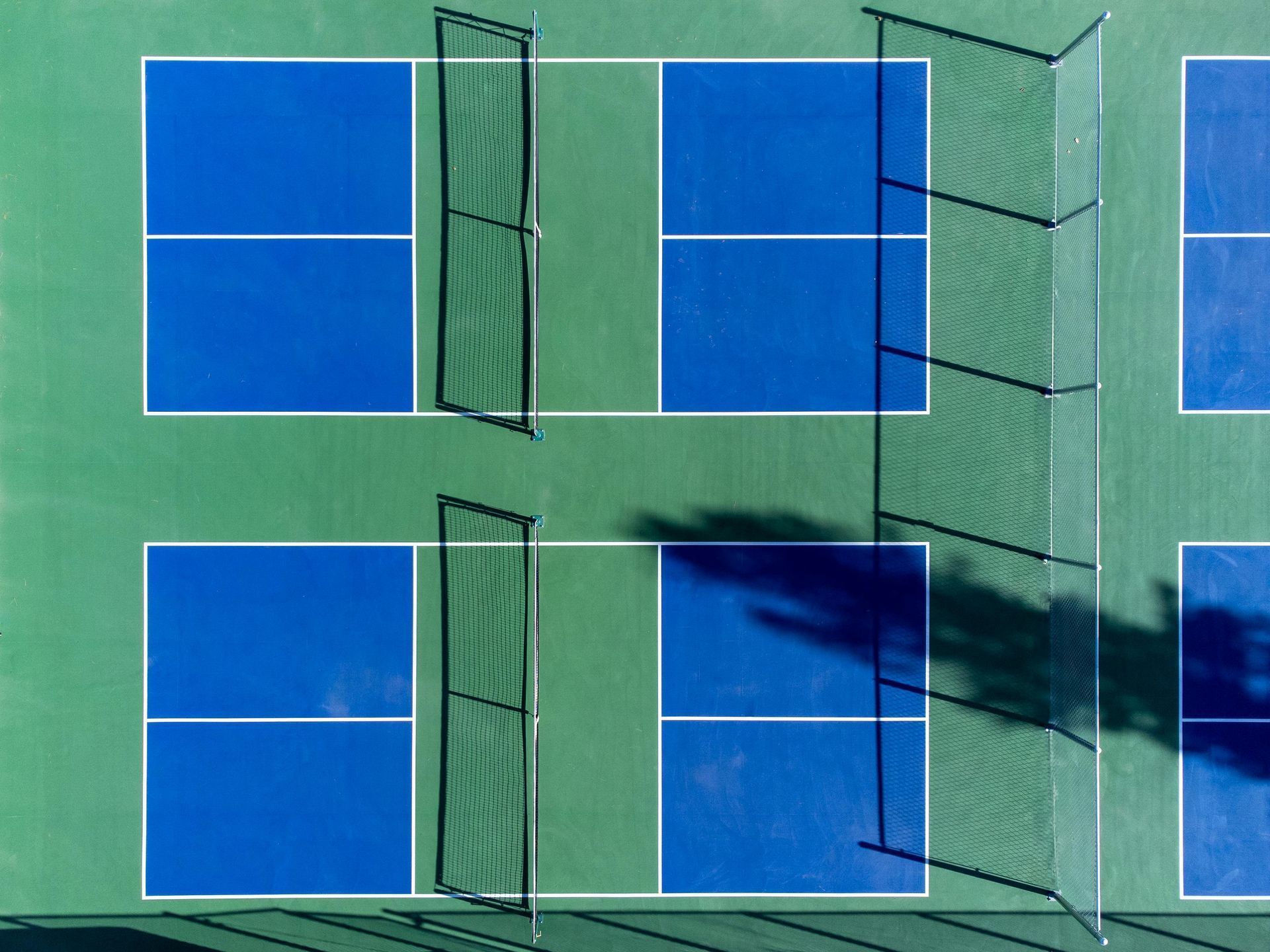
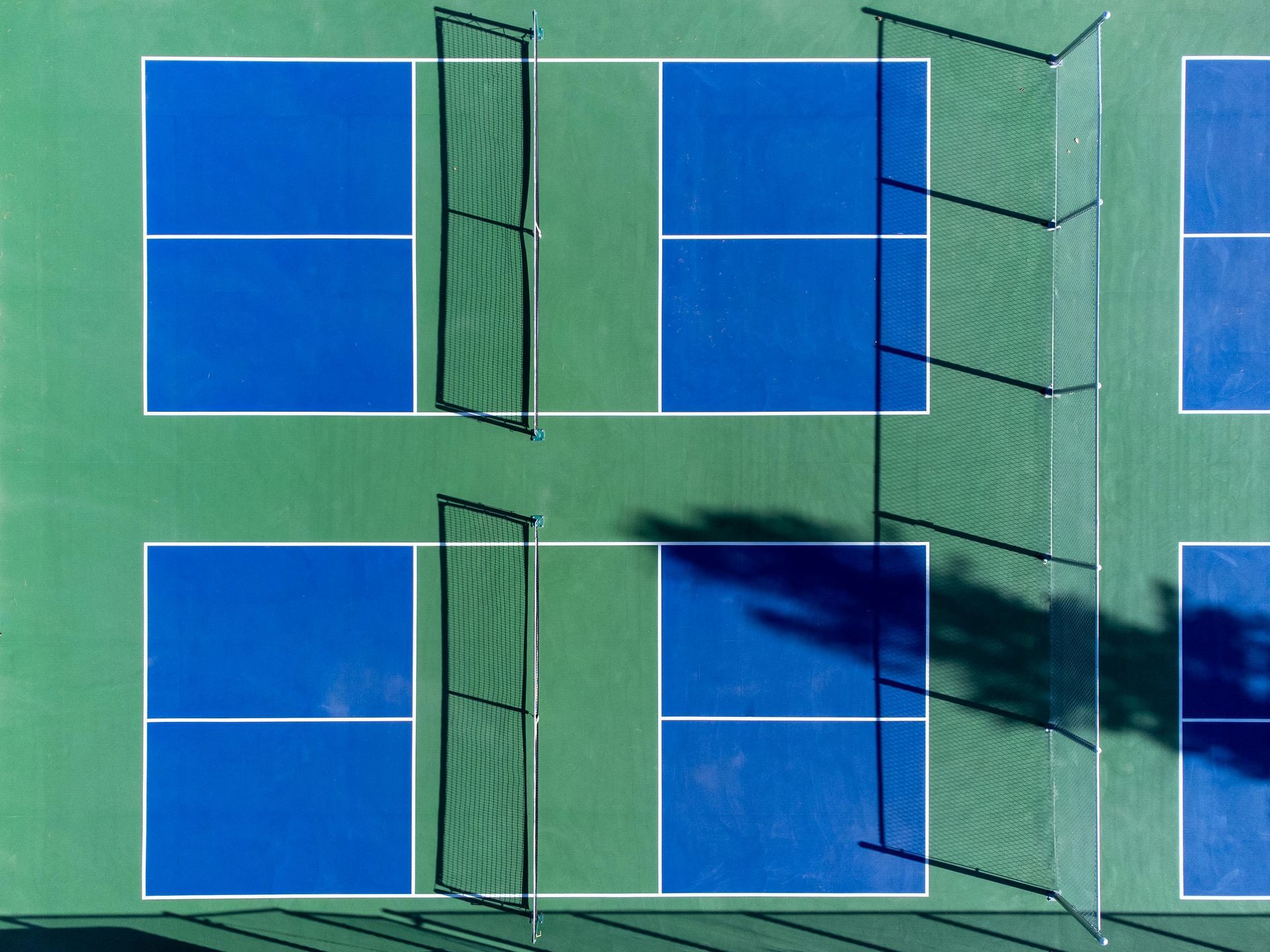
Overhead view of several blue pickleball courts separated by nets on a green surface, with shadows.

When it comes to building or resurfacing a pickleball court, one of the most important decisions is the surface material. Concrete is a top contender for many facilities, parks, and even private homeowners. It’s known for being durable and low maintenance, but it's not the perfect fit for everyone. 


Here’s a breakdown of the pros and cons so you can decide if concrete is the right surface for your pickleball court.

Why Surface Material Matters for Pickleball Courts

Your choice of surface impacts more than just how the court looks. It affects gameplay, safety, upkeep, and long-term costs. A good surface can mean better bounce, fewer injuries, and less time fixing cracks or repainting lines.


Pickleball is a fast-paced game that requires a surface with a consistent bounce and good traction. Concrete delivers on both, which is why it's so common.

Concrete Pickleball Courts at a Glance

Concrete is one of the most widely used pickleball court surfaces in the U.S. It’s especially common for outdoor public courts and facilities that expect high foot traffic. When finished properly, it provides a smooth, level, and long-lasting play surface.

That said, it’s not a one-size-fits-all solution. Let’s look at what makes concrete a great choice, and where it might fall short.

Pros of Concrete Pickleball Courts

Concrete brings a lot of advantages to the table for pickleball courts. It’s especially appealing for those looking for longevity, game consistency, and minimal upkeep.


Long-Term Durability and Strength

Concrete courts can last 30 years or more with proper installation and upkeep. That makes them a great long-term investment.

  • Withstands heavy use without wearing down quickly
  • Less prone to surface shifting compared to asphalt
  • Handles varying weather conditions well


Reliable Ball Bounce and Game Consistency

Players appreciate concrete for how it plays. The bounce is predictable, which helps with control and strategy.

  • Consistent ball speed and angle of return
  • Smooth surface supports precise shots and footwork
  • Popular among clubs and competitive players


Minimal Maintenance Requirements

Concrete doesn’t need much attention day-to-day. That makes it ideal for parks, schools, and facilities with limited maintenance staff.

  • Occasional sweeping or hosing down is usually enough
  • No need for frequent sealcoating like asphalt
  • Easily recoated with acrylic finishes every few years


Great for High-Traffic or Public Use

Concrete holds up well under constant use. Whether it’s a community center or a schoolyard, this surface won’t quit on you quickly.

  • Less wear-and-tear from large groups
  • Handles equipment like ball machines or benches without damage
  • Offers long-term value for high-use environments

Cons of Concrete Pickleball Courts

While concrete is strong and dependable, it's not without drawbacks. From player comfort to installation costs, here are some points to keep in mind.


Tough on Players’ Joints

Concrete is rigid, which means less cushioning. That can be hard on knees, hips, and ankles over time.

  • Extended play may lead to fatigue or injury
  • Not ideal for older or joint-sensitive players
  • Can be improved with cushioned acrylic coatings


Higher Upfront Installation Cost

Compared to asphalt, concrete costs more to install. It requires more materials, labor, and curing time.

  • Higher labor and material costs
  • Longer installation timeline due to concrete curing
  • May not fit all project budgets


Cracking Risks Over Time

Even though it’s durable, concrete can still crack due to ground shifting or weather extremes.

  • Needs proper sub-base prep to minimize cracking
  • Cracks may require professional repair to maintain surface quality
  • Expansion joints and flexible coatings help prevent stress fractures


Less Forgiving Than Other Surfaces

The hard surface doesn’t just affect your joints. Falls on concrete hurt more than on softer materials.

  • Not ideal for beginners or kids who may trip more often
  • Less shock absorption during play
  • Increased risk of scrapes or bruises without proper footwear

Climate and Location Considerations

Where you live plays a big role in how well concrete holds up. It performs best in dry, stable climates.

In regions with heavy freeze-thaw cycles or shifting soil, cracks can form faster. Drainage planning and expansion joints are essential in those areas. For places with mild winters and low moisture, concrete courts can last decades with minimal repair.

Design Flexibility with Concrete

Concrete courts aren’t limited to plain gray slabs. They can be customized to fit your branding or style.

  • Add acrylic color coatings in any shade
  • Use line painting for multi-use courts
  • Include logos or text for schools, clubs, or private estates

Some installations also allow for stamped or textured finishes, though those are more common in residential settings.

When Concrete Makes the Most Sense

Concrete isn’t right for every court, but it’s a smart choice in certain scenarios:


  1. High-traffic facilities like parks or rec centers
  2. Permanent installations meant to last 20+ years
  3. Clubs focused on performance and competitive play
  4. Facilities with limited maintenance resources
  5. Dry, temperate climates with stable ground


If your use case matches two or more of these, concrete is probably worth the investment.

Work with Experts

If you're looking to build a new pickleball court or upgrade an old one, it's worth working with professionals who specialize in sports surfaces. Mor Sports Group offers expert services for court construction, resurfacing, and maintenance. They help clients choose the right materials, prepare the site correctly, and apply durable coatings tailored to your local climate. Whether you need a private backyard court or a high-traffic facility setup, their team provides custom solutions that combine performance with long-term durability.

Mor Sports Group also provides support throughout the entire project, from design consultation to post-construction maintenance planning. They understand that each court is unique and take time to assess factors like surface slope, usage patterns, and local weather impact. With MOR, you're not just getting a contractor—you're gaining a long-term partner focused on quality, safety, and playability.

Conclusion

Concrete courts last a long time and offer a consistent play experience. They're a strong choice when performance and durability are top priorities.


Need help deciding if concrete is the right fit? Contact Mor Sports Group to get expert guidance and customized court solutions.


Basketball hoop with weathered backboard and net, set against blurry trees.
By Mor Sports Group January 27, 2026
Learn how heat, cold, rain, and UV rays affect outdoor basketball court materials. Discover which surfaces work best for your climate and get expert maintenance tips to extend your court's lifespan.
Tennis ball on a white line on a blue court, with blurred lights in the background.
By Mor Sports Group January 23, 2026
Discover the key differences between artificial turf and natural grass for padel courts. Learn about costs, maintenance, playability, and which surface is right for your climate and usage needs.
January 5, 2026
Cracks on a tennis court are more than just an eyesore—they’re the first sign that your court is weakening. After resurfacing, it’s natural to want that fresh, flawless look to last as long as possible. The good news? With the right maintenance plan and a few strategic habits, you can dramatically reduce the risk of cracking and get more life out of your court.
December 22, 2025
Building a clay tennis court isn’t just about spreading clay and calling it done. What’s underneath the surface matters just as much—maybe even more. The base is what keeps the court stable, drains water, and helps players enjoy a consistent game. If the base is done wrong, the court won’t play right, won’t last, and will cost more in repairs over time. Let’s take a closer look at why getting the base construction right is so important.
December 5, 2025
Pickleball is growing fast, and with that comes a big question for homeowners, clubs, and city planners: what’s the best surface for a pickleball court— asphalt or concrete ? Your choice can affect everything from player comfort to maintenance costs. This guide will walk you through everything you need to know in a simple and educational tone.
December 5, 2025
Resurfacing your tennis court is a great investment, but keeping it in top shape takes effort. Without regular care, even a newly resurfaced court can wear down faster than you’d expect. In this guide, we'll go over practical, easy-to-follow tips to help you get the most out of your court for years to come.
November 20, 2025
Taking the time to care for your newly resurfaced tennis court isn’t just about keeping it looking good. It’s about making sure it lasts, stays safe to play on, and feels great underfoot. Once the resurfacing job is complete, the real work begins to keep your investment in top shape. If you're managing a private court or a sports facility, knowing the right maintenance steps makes a big difference.
November 12, 2025
If you want your tennis court to last for years and stay in good playing condition, winter maintenance is a must. Snow, ice, cold temps, and moisture can do serious damage to any court surface if it’s left unprotected. Taking the time to properly winterize your court now means fewer problems, lower repair bills, and better games when spring returns.
June 9, 2025
A smooth, safe, and visually appealing tennis court makes a huge difference in your game and your property's value. Resurfacing isn't just about keeping things looking fresh. It's about making sure your court is playable, comfortable underfoot, and free from hazards. Whether you're running a sports facility, managing a club, or maintaining a backyard court, knowing when and how to resurface is key.
Two men are working on a tennis court on a sunny day.
June 2, 2025
Wondering why choose acrylic resurfacing for your tennis court? Discover its durability, low maintenance, and enhanced playability benefits.