
Which Florida county office issues tennis and pickleball court permits, and what each one checks. From a court builder since 1986. Get a free estimate.
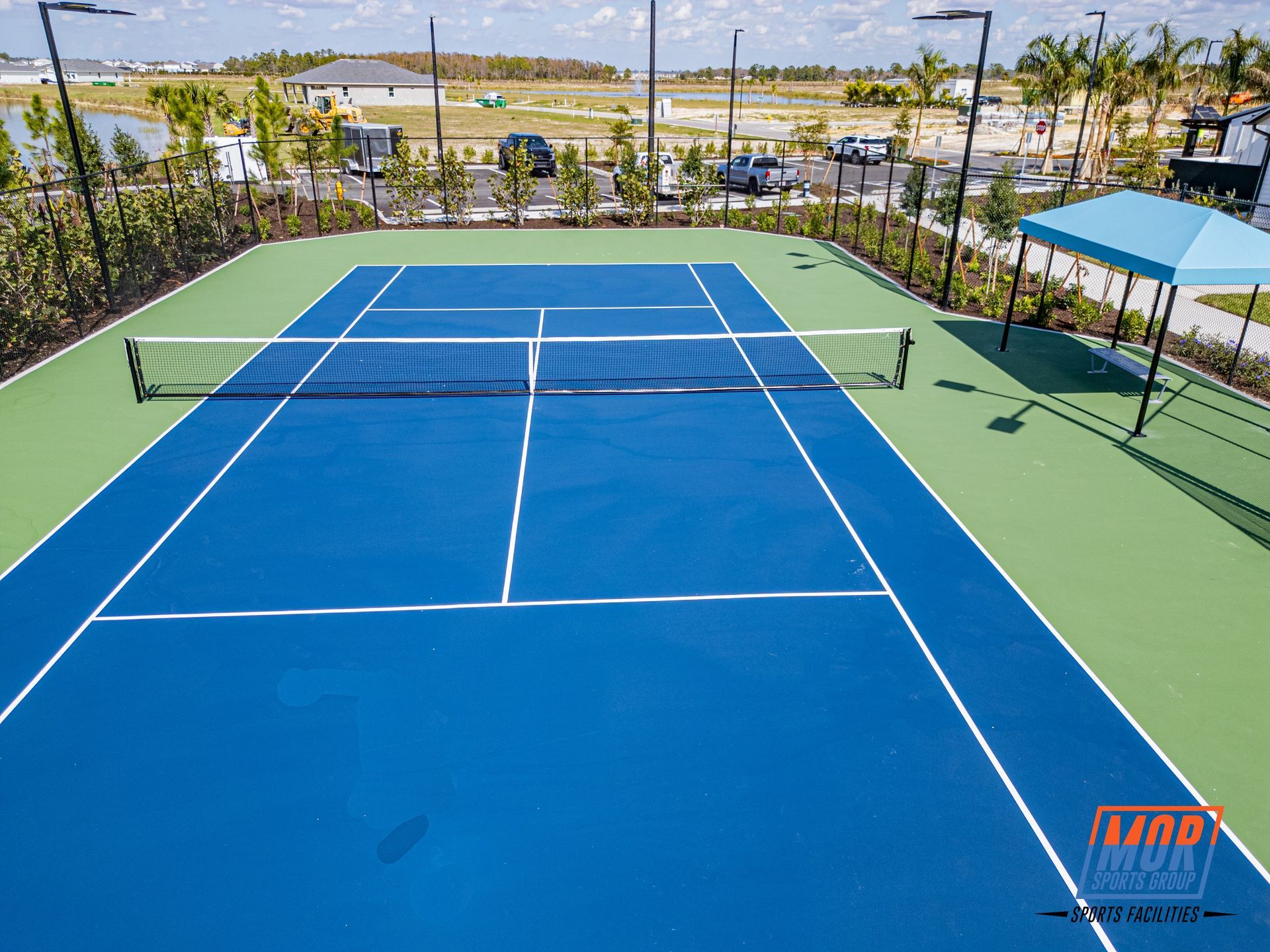
Mor-Sports Group won a 2026 ASBA Facility Award in the Tennis and Pickleball Facility category for the courts we built at Regency at Babcock Ranch in Punta Gorda, Florida. Here is how the project was built.
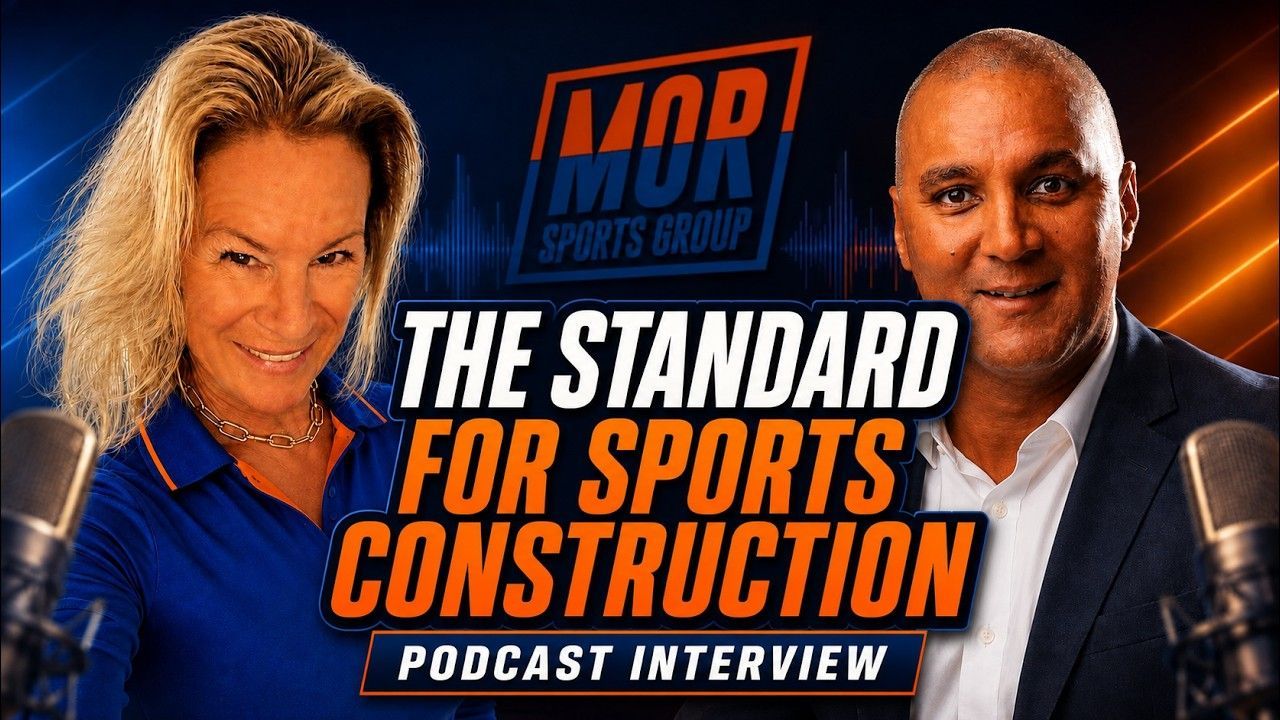
Nick Blackwood and Leslie LoGelfo joined the Move Swiftly podcast to talk self-performed court construction, the rise of padel, cushion surfaces and what communities should ask before they build.
Building public pickleball or tennis courts? ADA pickleball court compliance and ADA tennis court requirements are non-negotiable for parks departments. Mor-Sports Group is a licensed contractor and ASBA member serving Florida, Alabama, and beyond, with deep experience designing ADA-compliant public sports facilities.

Worried about HOA tennis court liability in Florida? This guide covers HOA pickleball insurance in Florida, waivers, posted rules, surface-related injury claims, and how proper court construction reduces risk. Mor-Sports Group is a licensed Florida contractor with 35+ years of experience building safer courts. Contact

Writing athletic court bid spec for your HOA or condo board? Learn exactly what to include in an HOA sports facility RFP so you get apples-to-apples quotes and avoid change orders. Mor-Sports Group is a licensed Florida contractor and Official Court Builder of the US Open Pickleball Championship.
