
Why Proper Base Construction Matters for Clay Courts

December 22, 2025

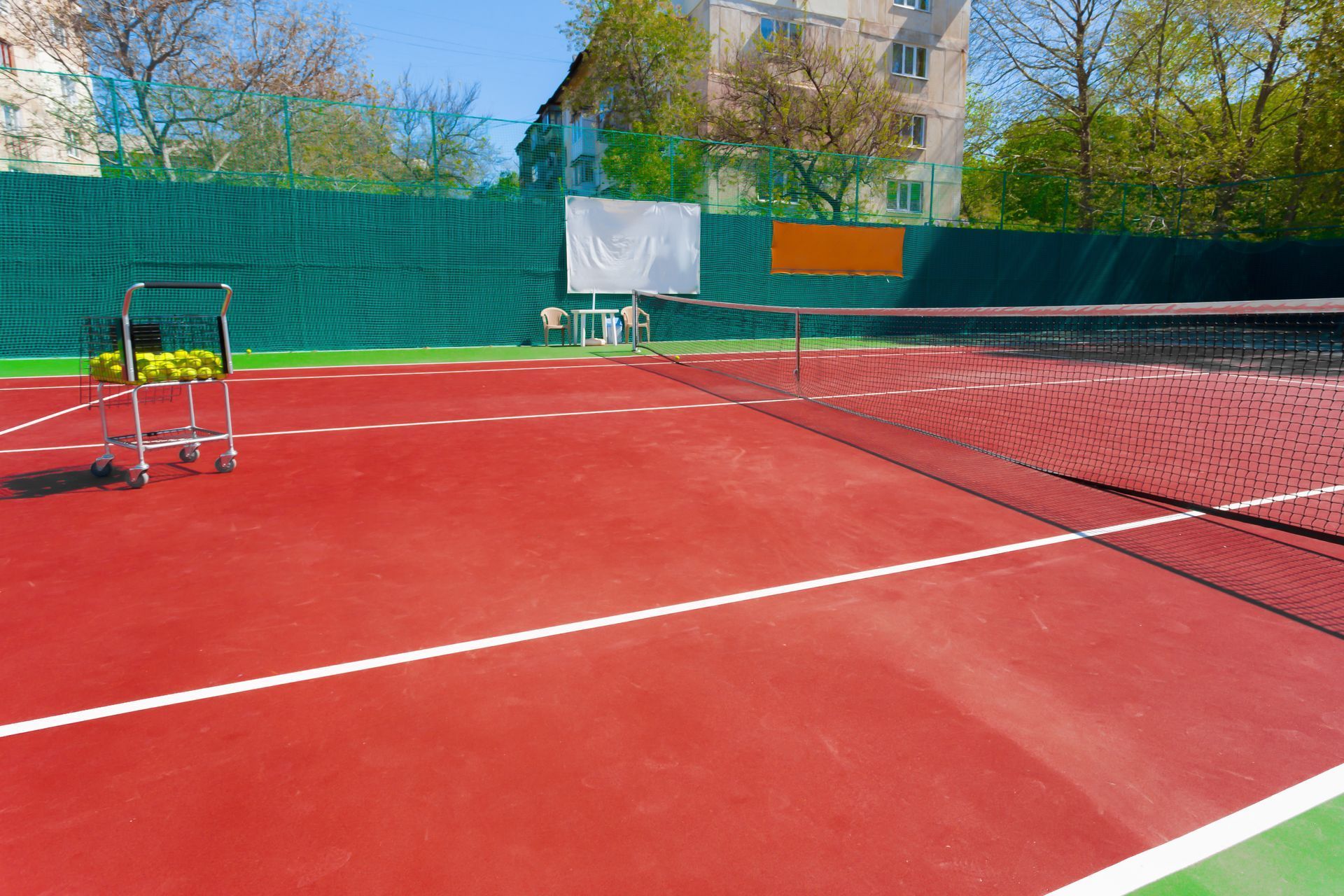
Building a clay tennis court isn’t just about spreading clay and calling it done. What’s underneath the surface matters just as much—maybe even more. The base is what keeps the court stable, drains water, and helps players enjoy a consistent game. If the base is done wrong, the court won’t play right, won’t last, and will cost more in repairs over time. Let’s take a closer look at why getting the base construction right is so important.

The Role of Base Construction in Clay Court Performance

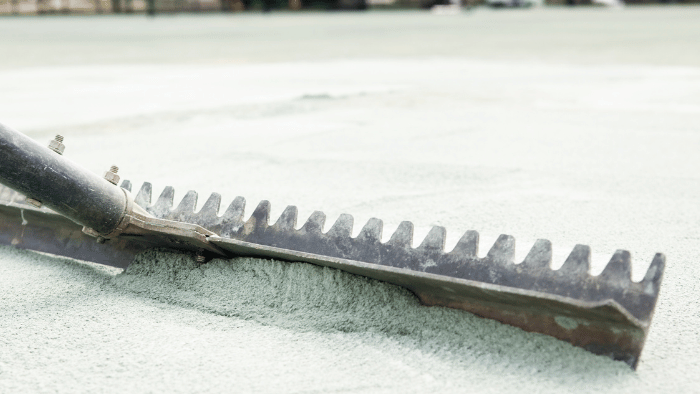
The base of a clay court acts as the foundation that everything else sits on. It’s the layer that keeps the surface level stable and able to handle different weather conditions. When the base is well-built, the court drains properly, stays smooth, and gives players the right bounce and footing. Without a good base, you’re likely to see cracks, dips, or puddles—and those mean more work and less fun.

Top Reasons Proper Base Construction Is Essential

Let’s break down the big benefits of a proper clay court base.

Supports Consistent Ball Bounce and Playability

A good clay court should give you a true, predictable bounce no matter where the ball lands. That’s only possible if the base is stable and level.

  • A well-compacted base helps prevent soft spots that mess with ball roll and bounce.
  • Players get a consistent feel underfoot, which helps with movement and strategy.
  • A stable base reduces the chance of uneven wear that can create tricky patches.

Promotes Efficient Drainage

Clay courts need great drainage. Water sitting on the surface can ruin the clay, stop play, and lead to long-term damage.

  • The right base layers let water move down and away from the surface fast.
  • Good drainage means less downtime after rain.
  • Drainage layers like gravel or crushed stone are key for keeping the court playable in wet weather.

If you want to see detailed specs on drainage and base materials, check out the International Tennis Federation's court construction guide.

Prevents Cracking, Settling, and Surface Damage

When the base isn’t done right, the court starts to shift, settle, or crack. That makes the court unsafe and no fun to play on.

  • A proper base keeps the court from moving as the ground expands, contracts, or shifts.
  • The layers below the clay absorb stress, so the surface stays smooth.
  • You won’t see dips or high spots that can cause water pooling or tripping hazards.

Reduces Long-Term Maintenance Costs

It’s tempting to cut corners on base construction to save money up front. But the reality is that a bad base costs more in the long run.

  • You’ll end up spending on frequent repairs, grading, and possibly rebuilding.
  • A solid base means fewer headaches and less downtime for maintenance.
  • Courts with good bases stay playable for more years before needing major work.

What Materials Are Used for Clay Court Bases?

The materials used in base construction aren’t fancy, but they’re critical for a long-lasting court. Here’s what usually goes under a clay court:

  1. Compacted gravel or crushed stone: This layer provides stability and helps with drainage.
  2. Geotextile fabric (sometimes used): Helps separate layers and keeps materials from mixing.
  3. Fine stone layer: Adds another level of smoothness and support.
  4. Top dressing of clay: The final layer that players see and play on.

Each layer has to be installed carefully and compacted properly. The right materials for your court might depend on local soil type and climate.

Common Mistakes in Clay Court Base Construction

Getting the base right isn’t always easy. Here are some mistakes that can ruin the court’s performance:

  • Poor drainage design: Without enough slope or proper materials, water just sits on the court.
  • Inadequate compaction: Loose layers lead to settling and uneven surfaces.
  • Wrong materials: Skipping the gravel or using cheap fill can make the court unstable.
  • Ignoring local conditions: Not accounting for soil type or freeze-thaw cycles causes early failure.

These mistakes don’t just affect play. They drive up maintenance costs and shorten the court’s lifespan.

Why Work with Experts

Building a proper clay court base takes experience and precision. That’s where professionals like Mor Sports Group come in. They specialize in sports surface construction and know how to get every layer of the court right, from the drainage plan to the compacted stone and final clay surface. When you work with pros, you get:

  • A court designed for your specific site and climate.
  • Materials selected for long-term performance.
  • Expert installation that ensures a smooth, stable, and playable surface.

This means less hassle for you and a better court for players.

Conclusion

The base of a clay court is what makes or breaks it. A good base supports consistent play, drains water, prevents damage, and saves you money on maintenance over time. Whether you’re building a court for a club, a school, or your own backyard, getting the base right is the key to a court that players will love and that will last for years.

If you’re ready to build or upgrade a court, working with experts like Mor Sports Group ensures that your investment pays off with a court that looks great, plays well, and stands the test of time.

December 5, 2025
Pickleball is growing fast, and with that comes a big question for homeowners, clubs, and city planners: what’s the best surface for a pickleball court— asphalt or concrete ? Your choice can affect everything from player comfort to maintenance costs. This guide will walk you through everything you need to know in a simple and educational tone.
December 5, 2025
Resurfacing your tennis court is a great investment, but keeping it in top shape takes effort. Without regular care, even a newly resurfaced court can wear down faster than you’d expect. In this guide, we'll go over practical, easy-to-follow tips to help you get the most out of your court for years to come.
November 20, 2025
Taking the time to care for your newly resurfaced tennis court isn’t just about keeping it looking good. It’s about making sure it lasts, stays safe to play on, and feels great underfoot. Once the resurfacing job is complete, the real work begins to keep your investment in top shape. If you're managing a private court or a sports facility, knowing the right maintenance steps makes a big difference.
November 12, 2025
If you want your tennis court to last for years and stay in good playing condition, winter maintenance is a must. Snow, ice, cold temps, and moisture can do serious damage to any court surface if it’s left unprotected. Taking the time to properly winterize your court now means fewer problems, lower repair bills, and better games when spring returns.
June 9, 2025
A smooth, safe, and visually appealing tennis court makes a huge difference in your game and your property's value. Resurfacing isn't just about keeping things looking fresh. It's about making sure your court is playable, comfortable underfoot, and free from hazards. Whether you're running a sports facility, managing a club, or maintaining a backyard court, knowing when and how to resurface is key.
Two men are working on a tennis court on a sunny day.
June 2, 2025
Wondering why choose acrylic resurfacing for your tennis court? Discover its durability, low maintenance, and enhanced playability benefits.
A street light with a blue sky in the background
May 27, 2025
Explore top lighting solutions for outdoor pickleball courts to enhance visibility, extend playtime, and meet official lighting standards.
An aerial view of a pickleball court with trees in the background.
May 26, 2025
Discover the most durable surfaces for your pickleball court construction to ensure long-lasting performance, safety, and low upkeep.
benefits of synthetic grass for tennis courts
May 22, 2025
Explore the top benefits of synthetic grass for tennis courts, including low maintenance, durability, and year-round playability.
Comprehensive Guide to Clay Court Resurfacing
May 9, 2025
A Comprehensive Guide to Clay Court Resurfacing—learn when, why, and how to resurface for optimal play, safety, and court longevity