How to Extend the Lifespan of Your Artificial Turf Field: A Mor-Sports Maintenance Guide
February 21, 2026
Artificial turf has revolutionized the sports industry, offering year-round playability, consistent performance, and reduced water consumption compared to natural grass fields. From community recreational spaces to elite athletic facilities, synthetic turf fields have become the foundation of modern sports infrastructure. However, these sophisticated playing surfaces represent a substantial financial investment—often ranging from hundreds of thousands to millions of dollars depending on field size, quality, and installation complexity.
While artificial turf eliminates many maintenance headaches associated with natural grass, it is far from maintenance-free. Proper care and maintenance are absolutely crucial for protecting your investment, ensuring player safety, maintaining optimal playability, and maximizing the field's operational lifespan. A well-maintained artificial turf field can serve your facility for 10 to 15 years or more, while neglected fields can deteriorate significantly in just a few seasons, compromising both performance and safety.
At Mor Sports Group, we understand the complexities of artificial turf care and are committed to helping facility managers, athletic directors, and sports administrators get the most from their playing surfaces. This comprehensive guide will walk you through essential maintenance practices—from daily upkeep to annual professional servicing—ensuring your artificial turf field remains safe, high-performing, and visually appealing for years to come. Whether you're managing a single field or overseeing multiple sports complexes, these expert strategies will help you protect your investment and provide athletes with the quality playing surface they deserve.
1. Understanding Your Artificial Turf: The Basics of Construction and Composition
Before diving into maintenance protocols, it's essential to understand what you're actually maintaining. Modern artificial turf fields are sophisticated multi-layer systems designed to replicate the performance characteristics of natural grass while providing superior durability. Each layer plays a critical role in field performance, safety, and longevity.
The foundation begins with a properly engineered base layer, typically consisting of compacted aggregate materials that provide stability and drainage. Above this sits the backing material, a durable fabric that anchors the synthetic grass fibers and maintains the structural integrity of the entire system. The fibers themselves—what you see and play on—are constructed from specialized polymers (typically polyethylene, polypropylene, or nylon) engineered to withstand intense athletic activity, UV exposure, and temperature fluctuations. These fibers come in various pile heights, densities, and configurations depending on the sport and performance requirements.
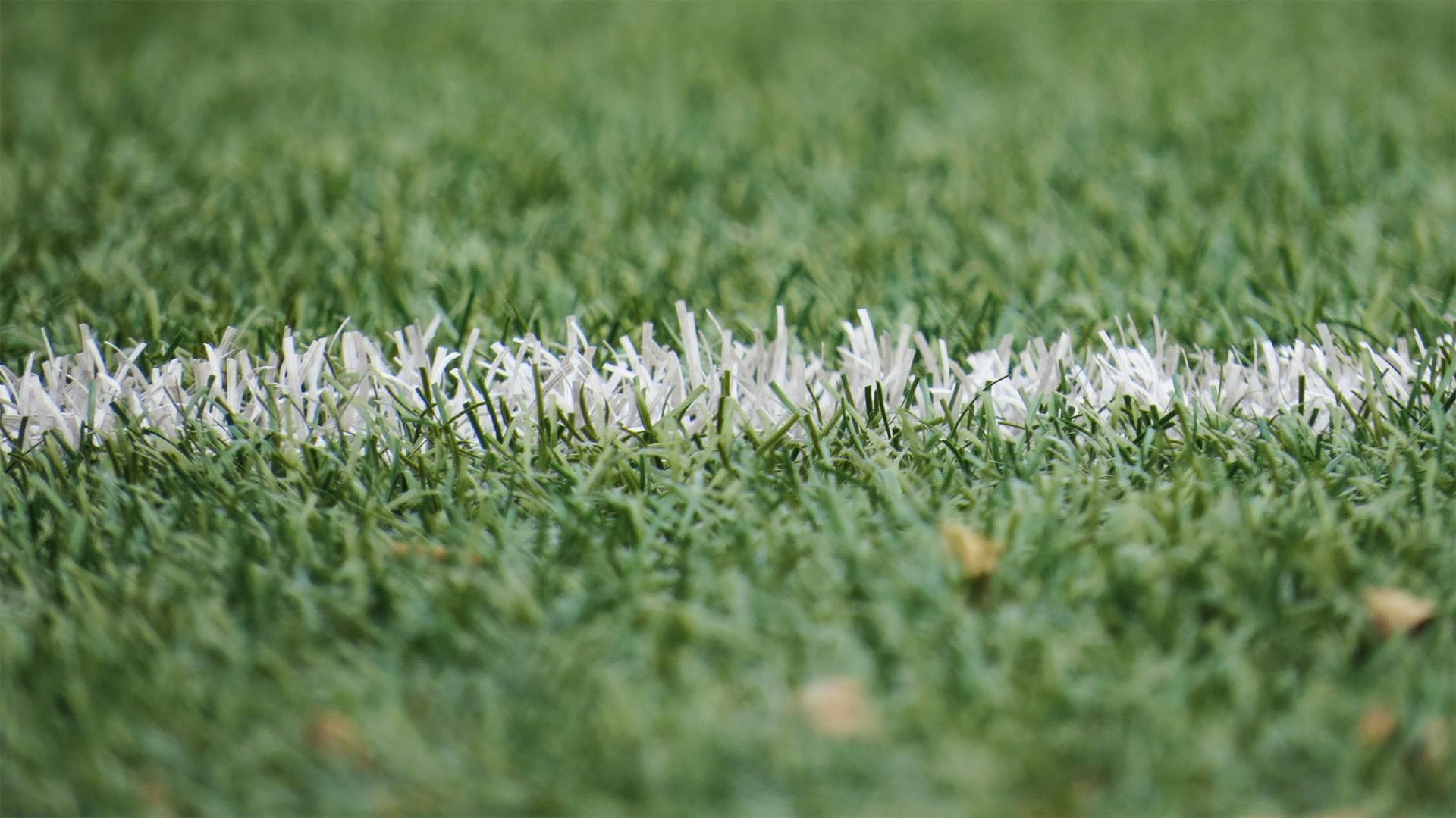
Perhaps most critical is the infill layer—the material distributed between and around the turf fibers. Infill serves multiple crucial functions: it provides ballast to keep the turf stable, adds cushioning for player safety, helps fibers stand upright for consistent performance, and contributes to the field's overall playability. Infill materials vary widely, from traditional crumb rubber to modern alternatives like coated sand, organic infills, or advanced synthetic options, each with specific maintenance considerations.
Understanding this layered construction is fundamental to effective maintenance. When you know that compacted infill reduces shock absorption, that matted fibers affect ball roll and player traction, and that compromised drainage can damage the base layer, you can make informed decisions about care protocols. This knowledge empowers you to identify problems early, implement appropriate solutions, and communicate effectively with maintenance staff or professional service providers about your field's specific needs.
2. Daily and Weekly Maintenance: Proactive Steps for Immediate Impact
Regular Debris Removal: Keeping It Clean
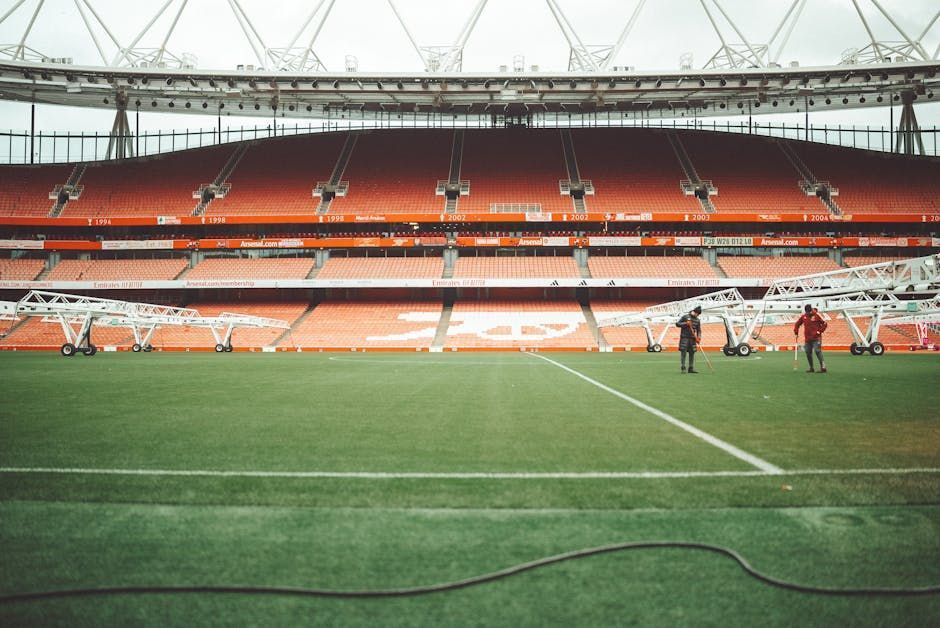
The single most important daily maintenance task is removing debris from your artificial turf surface. Leaves, branches, paper, food wrappers, and other foreign materials may seem harmless, but they create multiple problems when left to accumulate. Organic debris like leaves and grass clippings decompose, creating conditions favorable for weed growth, algae, and bacteria. Larger items can become embedded in the infill or caught in the fibers, creating uneven playing surfaces and potential injury hazards.
For effective debris removal, establish a daily routine using appropriate equipment. Backpack or handheld blowers are excellent for quickly clearing lightweight materials like leaves and paper from the field surface. For fields adjacent to wooded areas or heavy tree coverage, you may need to clear debris multiple times per day during fall months. Magnetic sweepers should be used weekly to remove metal objects like staples, screws, or nails that pose serious injury risks and can damage maintenance equipment. Remember that regular debris removal is far easier and less time-consuming than dealing with compacted, decomposed material or treating organic growth that's taken hold.
Addressing Spills and Stains Promptly
Athletic fields inevitably experience spills—sports drinks, blood, paint, oil, or other substances. The key to preventing permanent staining and material degradation is immediate action. Fresh spills are exponentially easier to clean than set stains, and prompt treatment prevents liquids from penetrating deep into the infill layer where they can promote bacterial growth or emit odors.
For most liquid spills, begin by blotting (never rubbing) with absorbent materials to remove as much liquid as possible. Follow with a gentle cleaning solution specifically formulated for artificial turf—harsh chemicals can damage fibers or backing materials. Water-based spills like sports drinks can typically be addressed with water and mild detergent, followed by thorough rinsing. Oil-based substances require specialized degreasers designed for synthetic surfaces. Blood should be treated with enzyme-based cleaners that break down proteins without damaging turf materials. Keep a spill response kit readily available at your facility, including appropriate cleaning solutions, absorbent materials, soft bristle brushes, and protective equipment for staff. Train your maintenance team to respond immediately to spills, preventing small incidents from becoming costly stain remediation projects.
Checking Infill Levels and Redistribution
Infill doesn't stay evenly distributed through normal use. High-traffic areas—goal mouths, center circles, frequently used practice zones—experience infill migration and compaction. Athletes' movements, particularly during aggressive play, push infill aside or compact it down, creating uneven playing surfaces with reduced shock absorption. Weekly infill maintenance is essential to counteract these effects and maintain consistent field performance.
Use a powered turf brush or grooming machine to redistribute infill and stand fibers upright. These specialized tools feature rotating brushes that lift matted fibers and move infill from over-filled areas to depleted zones. Walk the field in different directions each grooming session to ensure comprehensive coverage and prevent wear patterns. Pay particular attention to high-use areas, brushing these zones more frequently and thoroughly. This regular grooming prevents infill from compacting into a hard, cement-like layer that compromises player safety and accelerates fiber wear. The time investment in weekly grooming—typically 1-2 hours for a standard field—pays enormous dividends in extended field life and consistent playing conditions. Think of grooming as resetting your field's performance after each week of use, ensuring athletes always experience the same quality surface whether it's Monday morning or Friday afternoon.
3. Monthly and Quarterly Care: Deeper Cleaning and Inspection
Deep Cleaning and Disinfection
While daily maintenance addresses surface-level concerns, monthly deep cleaning tackles contamination that accumulates within the infill layer and fiber structure. Over time, dirt, bodily fluids, bacteria, mold spores, and other contaminants penetrate below the surface, potentially creating health hazards and generating unpleasant odors. This is particularly critical for fields that host multiple teams, serve diverse user groups, or experience heavy daily use.
Professional-grade turf vacuums designed specifically for artificial surfaces are ideal for deep cleaning. Unlike standard vacuums, these specialized units can handle infill materials without damage while removing embedded dirt, organic matter, and debris from deep within the turf system. For facilities without access to professional equipment, power washing can be effective, but requires careful technique—water pressure that's too high can damage backing materials or displace excessive infill. Use wide-angle nozzles, maintain appropriate distance from the surface (typically 12-18 inches), and work systematically across the field.
Disinfection should follow deep cleaning, using products specifically formulated for artificial turf that kill bacteria, viruses, and fungi without damaging synthetic materials. This is especially important for fields hosting contact sports where blood, saliva, and sweat create potential disease transmission vectors. Apply disinfectants according to manufacturer instructions, ensuring proper contact time and thorough coverage. Some modern turf systems incorporate antimicrobial treatments into the fibers, but these degrade over time and benefit from supplemental disinfection protocols. High-traffic facilities should consider monthly disinfection, while lower-use fields can extend to quarterly schedules.
Infill Level Monitoring and Replenishment
While weekly grooming redistributes existing infill, you must also monitor overall infill volume. Infill is gradually lost through various mechanisms: it adheres to players' clothing and equipment, gets kicked out of bounds during play, is displaced during grooming, and can be carried away by wind or water runoff. This gradual depletion is normal, but unchecked infill loss significantly compromises field performance and accelerates fiber wear as unprotected synthetic grass becomes increasingly vulnerable to damage.
Conduct monthly infill depth measurements across the field, particularly in high-wear zones. Most turf systems specify target infill depths (typically measured from the backing to about ¾ of the fiber height), which should be maintained for optimal performance. Create a measurement grid covering the entire field, recording depths at consistent locations to track trends over time. When measurements indicate infill has dropped below specified minimums, schedule replenishment.
Infill replenishment requires precision and proper technique. First, ensure you're using the correct infill type matching your field's original specifications—mixing incompatible infill materials can create performance problems. Distribute new infill evenly across depleted areas using drop spreaders or specialized infill equipment, then thoroughly groom the entire area to work the new material into the existing infill layer and settle it properly around the fibers. Focus extra attention on chronically depleted zones like goal areas, which may require more frequent top-ups between scheduled maintenance cycles.
Seam and Line Inspections
The structural integrity of your field depends on properly secured seams where turf sections join together. Over time, seam adhesives can degrade due to temperature fluctuations, moisture, and the constant stress of athletic activity. Seam separation creates trip hazards, allows infill to escape into the sub-base, and permits water infiltration that can damage the foundation. Monthly seam inspections should be part of your routine, examining every seam line for signs of lifting, separation, or damage.
Walk each seam line, looking for gaps, lifted edges, or areas where the backing is visible. Pay special attention to high-stress areas like sidelines and end zones where player traffic is concentrated. If you discover minor seam issues, address them immediately before they expand—small separations can often be re-secured with appropriate turf adhesives, while neglected problems may require professional seam repair or even panel replacement. Similarly, inspect painted or in-laid field markings monthly. Painted lines wear with use and weather exposure, potentially affecting game play if field boundaries or markings become unclear. In-laid lines should be checked for the same seam integrity issues as the main field surface.
4. Annual and Biannual Overhauls: Comprehensive Maintenance for Longevity
Professional Grooming and Decompaction
Despite diligent weekly grooming, artificial turf fields benefit enormously from annual or biannual professional grooming using specialized heavy-duty equipment. Standard maintenance brushes can only penetrate so deep and provide limited decompaction force. Professional grooming machines feature powerful rotating brush systems, aggressive penetration depths, and sophisticated control systems that rejuvenate turf in ways impossible with typical maintenance equipment.
These intensive grooming sessions accomplish several critical objectives. First, they fully decompact infill that has become compressed and hardened over months of use, restoring proper shock absorption characteristics essential for player safety. Second, they thoroughly stand up fibers that have been permanently matted down, improving ball response, traction, and overall playability. Third, they redistribute infill at a level of precision and consistency unattainable with routine maintenance, ensuring uniform field characteristics across the entire playing surface.
Professional grooming also includes comprehensive cleaning that reaches deeper into the turf system than monthly maintenance, extracting embedded contaminants and thoroughly refreshing the entire field. Think of professional grooming as a complete field reset—after service, your field performs like it did when newly installed, with consistent infill depth, upright fibers, and optimal playing characteristics throughout. The investment in annual professional grooming can add years to your field's serviceable life and ensures athletes always experience peak field performance.
Addressing Drainage Systems
Proper drainage is fundamental to artificial turf field longevity and performance. While the turf surface itself is permeable, the entire drainage system—including perforated backing, infill, aggregate base, and subsurface drains—must work cohesively to evacuate water quickly. Drainage problems lead to standing water, which accelerates material degradation, promotes microbial growth, creates unsafe playing conditions, and can ultimately compromise the structural integrity of the base layer.
Annual drainage system inspections should test field permeability and identify potential blockages or compromised areas. The simplest test involves pouring water on various field locations and timing how quickly it drains—dramatic variations across the field or slow drainage anywhere indicate problems requiring attention. Inspect perimeter drains, catch basins, and outfall pipes for blockages from leaves, sediment, or root intrusion. Clear any obstructions to restore proper flow.
If surface drainage has slowed significantly, the issue may be infill contamination. Fine sediments, organic matter, and decomposed debris can clog the spaces between infill particles, reducing permeability. Professional deep cleaning or even partial infill replacement may be necessary to restore drainage capacity. Never ignore drainage issues—a field that holds water after rain not only disrupts your schedule but risks serious long-term damage that could require costly repairs or premature replacement.
Full Infill Top-Up and Replenishment
While monthly spot replenishment addresses localized infill depletion, annual comprehensive infill top-up ensures the entire field maintains specified infill volumes. Even with excellent monthly monitoring, gradual overall infill loss occurs across the entire surface. An annual comprehensive infill addition compensates for this system-wide depletion and reestablishes optimal infill depths throughout the field.
Begin with a detailed field survey measuring infill depths across an extensive grid pattern covering the entire surface. Compare these measurements to your field's specifications and calculate the total volume of infill needed to restore optimal depths. Source infill material that precisely matches your field's existing specifications—type, size gradation, and any coating or treatment. Inconsistent infill materials create performance variations across the field.
Application requires methodical technique to ensure even distribution. Use professional drop spreaders calibrated to deliver precise quantities, working in overlapping passes to prevent streaking or gaps. After spreading, employ professional grooming equipment to work the new infill thoroughly into the existing material and settle it properly around the fibers. This intensive grooming also addresses any compaction issues and stands up fibers, essentially revitalizing the entire playing surface. The field should look and perform dramatically better after comprehensive annual infill service.
Minor Repair Identification and Execution
Annual comprehensive inspections provide the opportunity to identify and address minor damage before it becomes major problems. Small tears in the turf, slightly separated seams, localized fiber wear, or minor backing damage are all repairable when caught early. Left unattended, these issues expand exponentially—a small tear becomes a large gash requiring panel replacement, a minor seam separation spreads across an entire seam line, and localized wear extends across larger areas.
During annual inspections, examine every square foot of your field under good lighting conditions. Document all damage with photographs and precise location notes. Prioritize repairs based on safety implications and potential for expansion. Small tears can often be repaired with specialized turf repair adhesives and seaming techniques. Worn areas might be addressed by fiber treatment or strategic infill augmentation. Seam issues require proper adhesive application and may need professional service if damage is extensive.
This is where partnering with experienced professionals like Mor Sports Group becomes invaluable. While some minor repairs are within the capability of well-trained facility staff, complex issues benefit from expert assessment and specialized repair techniques. Professional service providers can evaluate whether damage requires immediate repair, can be monitored for progression, or necessitates more extensive intervention. They have access to specialized materials, tools, and expertise that ensure repairs blend seamlessly with existing turf and maintain field integrity. Establishing a relationship with qualified service providers means you have expert support when you need it most.
5. Common Challenges and Troubleshooting Tips
Addressing Algae and Moss Growth
Organic growth on artificial turf typically indicates moisture retention and inadequate drainage or sunlight exposure. Algae and moss thrive in damp, shaded areas where water doesn't evaporate quickly. While not immediately damaging to the turf fibers, organic growth creates slippery, unsafe playing conditions and can accelerate material degradation if left unchecked.
Prevention is always preferable to remediation. Ensure proper field drainage to prevent water accumulation. Trim back tree canopies or vegetation that create excessive shade and trap moisture. Improve airflow across the field by removing physical barriers. If growth appears despite preventive measures, treatment with algaecides or moss killers specifically formulated for artificial surfaces can eliminate the problem. Apply these products carefully according to manufacturer instructions, rinse thoroughly, and address the underlying moisture or shade issues to prevent recurrence. Never use harsh chemicals or pressure washing techniques that could damage the turf system.
Preventing and Repairing Burn Marks
Turf burn marks from concentrated sunlight reflection—often from nearby building windows—can cause permanent damage if not prevented. Identify potential sources of concentrated solar reflection around your field and work to mitigate them through window treatments, strategic landscaping, or reflective barriers. For fields where reflection cannot be prevented, regular monitoring allows you to catch minor damage early.
Minor burn damage affecting only fiber tips might be addressed through aggressive grooming and infill supplementation to protect remaining fiber length. More severe damage typically requires professional repair or panel replacement—attempting DIY repairs on significantly burned areas rarely produces satisfactory results and can worsen the problem.
Dealing with Odors
Unpleasant odors emanating from artificial turf fields usually result from bacterial growth, particularly in infill that has been contaminated with organic matter, bodily fluids, or pet waste (for multi-use facilities). The warm, moist environment within the infill layer can become an ideal breeding ground for odor-causing bacteria if not properly maintained.
Regular deep cleaning and disinfection are your primary defenses against odor problems. Ensure your monthly or quarterly maintenance includes thorough disinfection with products designed to neutralize bacteria without damaging turf materials. For persistent odor issues, specialized odor-neutralizing treatments designed for artificial turf can effectively eliminate smells at their source. In severe cases, partial infill replacement may be necessary to remove contaminated material and restore a fresh, clean playing surface. The key is addressing odor problems immediately rather than allowing them to worsen—early intervention is far easier and less expensive than dealing with deeply contaminated infill.
6. Conclusion: Partnering with Mor Sports Group for Lasting Turf Performance
Artificial turf field maintenance is not a one-time project but an ongoing commitment that requires consistent attention, appropriate resources, and expert knowledge. The comprehensive maintenance program outlined in this guide—from daily debris removal to annual professional servicing—represents the proven path to protecting your substantial field investment, ensuring athlete safety, and delivering the consistent high-quality playing conditions that athletes and coaches expect.
The benefits of diligent maintenance extend far beyond aesthetics. Well-maintained fields last significantly longer, reducing the lifetime cost per year of use. They maintain optimal playability characteristics, giving athletes the performance they need for competitive success. They minimize injury risk by preserving proper shock absorption, traction, and surface consistency. Perhaps most importantly, they demonstrate your organization's commitment to providing quality facilities that serve your community for years to come.
While many routine maintenance tasks can be handled by trained facility staff, complex servicing, specialized repairs, and expert consultation require professional support. This is where Mor Sports Group becomes your valuable partner. Our deep expertise in artificial turf systems, commitment to quality service, and understanding of the unique demands of athletic facilities make us the ideal resource for maintaining your fields at peak performance.
Whether you need guidance developing a comprehensive maintenance program, professional servicing to rejuvenate aging fields, expert assessment of damage or performance issues, or specialized repair work, Mor Sports Group stands ready to help. Don't wait for small problems to become major headaches—reach out today to learn how we can help you protect your investment and ensure your artificial turf fields continue delivering exceptional performance for years to come. Visit www.morsportsgroup.com
to explore our services or contact us directly to discuss your specific maintenance needs. Your fields are too important to leave to chance—partner with the experts who understand what it takes to maintain them properly.
Recent Posts
By Mor-Sports Group
•
September 3, 2026
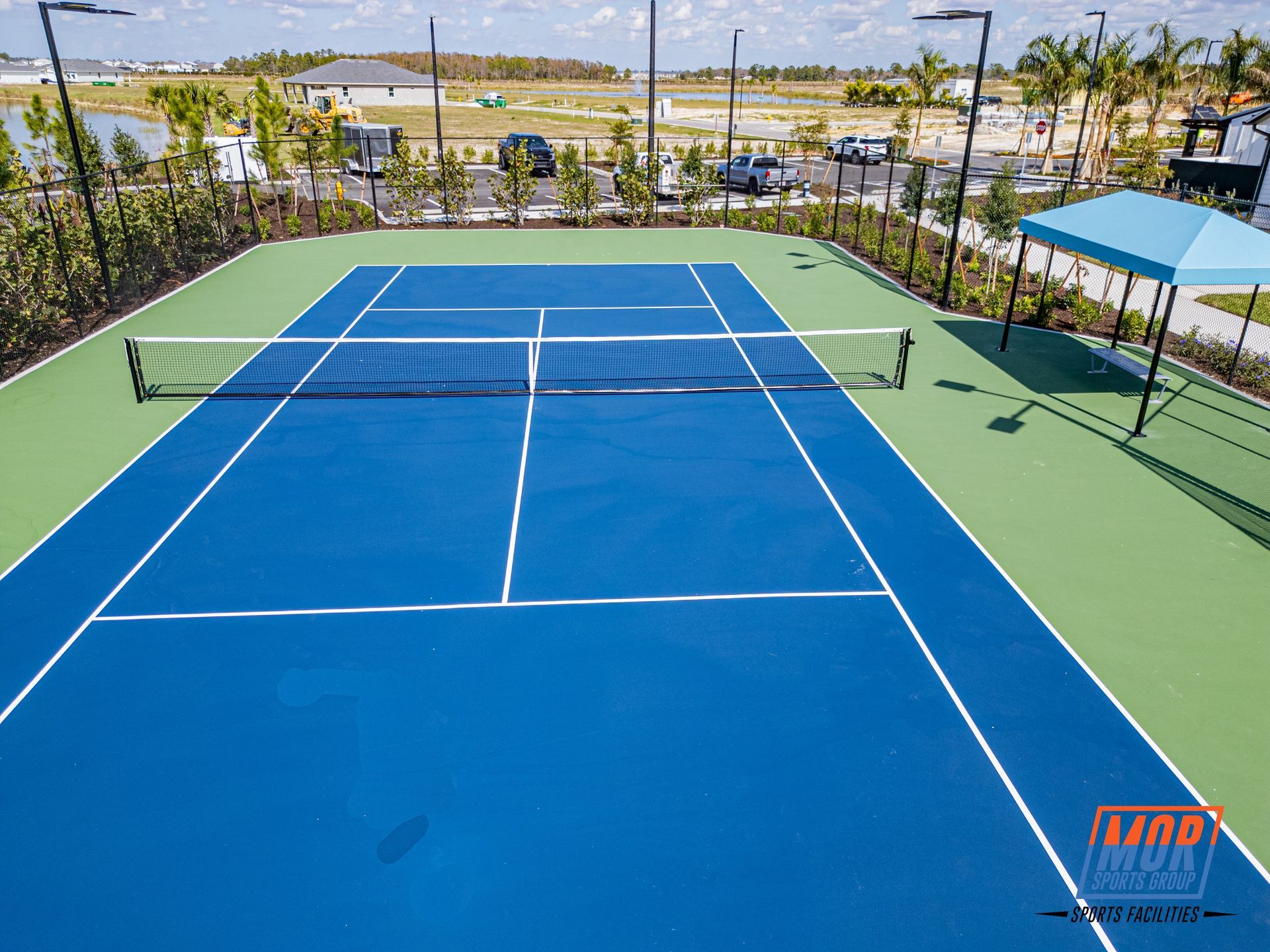
Mor-Sports Group won a 2026 ASBA Facility Award in the Tennis and Pickleball Facility category for the courts we built at Regency at Babcock Ranch in Punta Gorda, Florida. Here is how the project was built.
By Mor-Sports Group
•
September 2, 2026
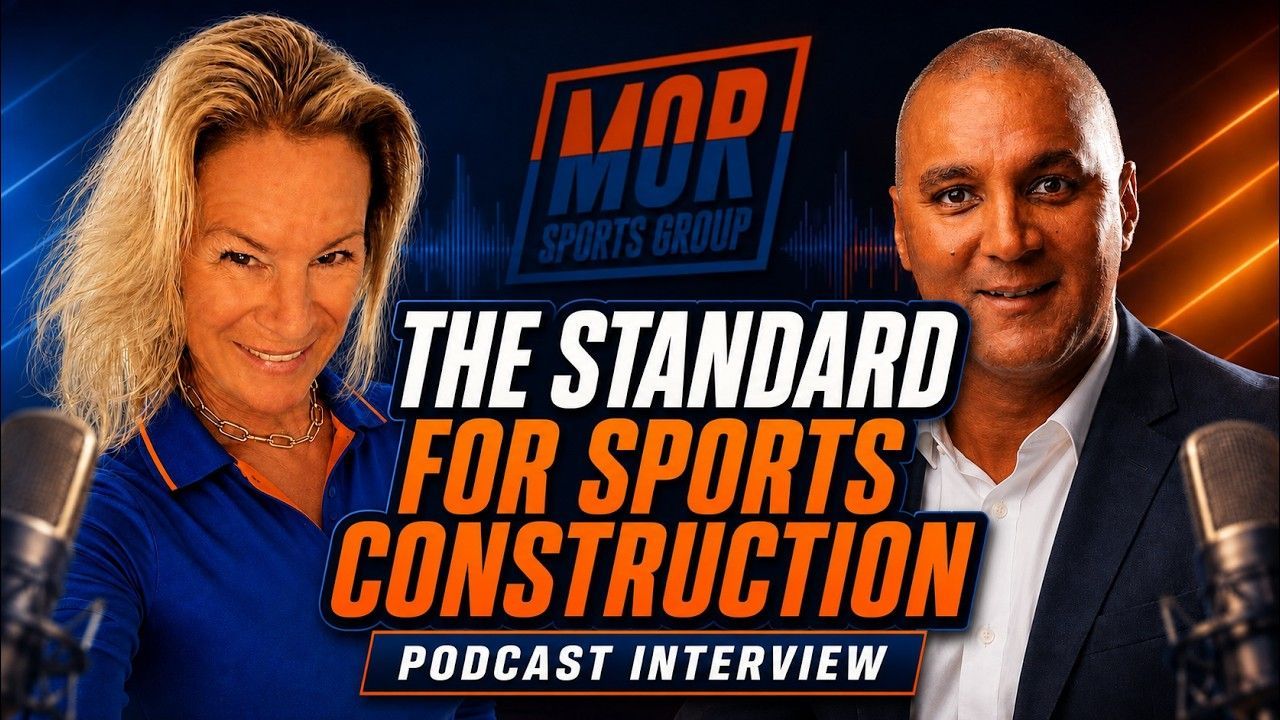
Nick Blackwood and Leslie LoGelfo joined the Move Swiftly podcast to talk self-performed court construction, the rise of padel, cushion surfaces and what communities should ask before they build.
May 29, 2026
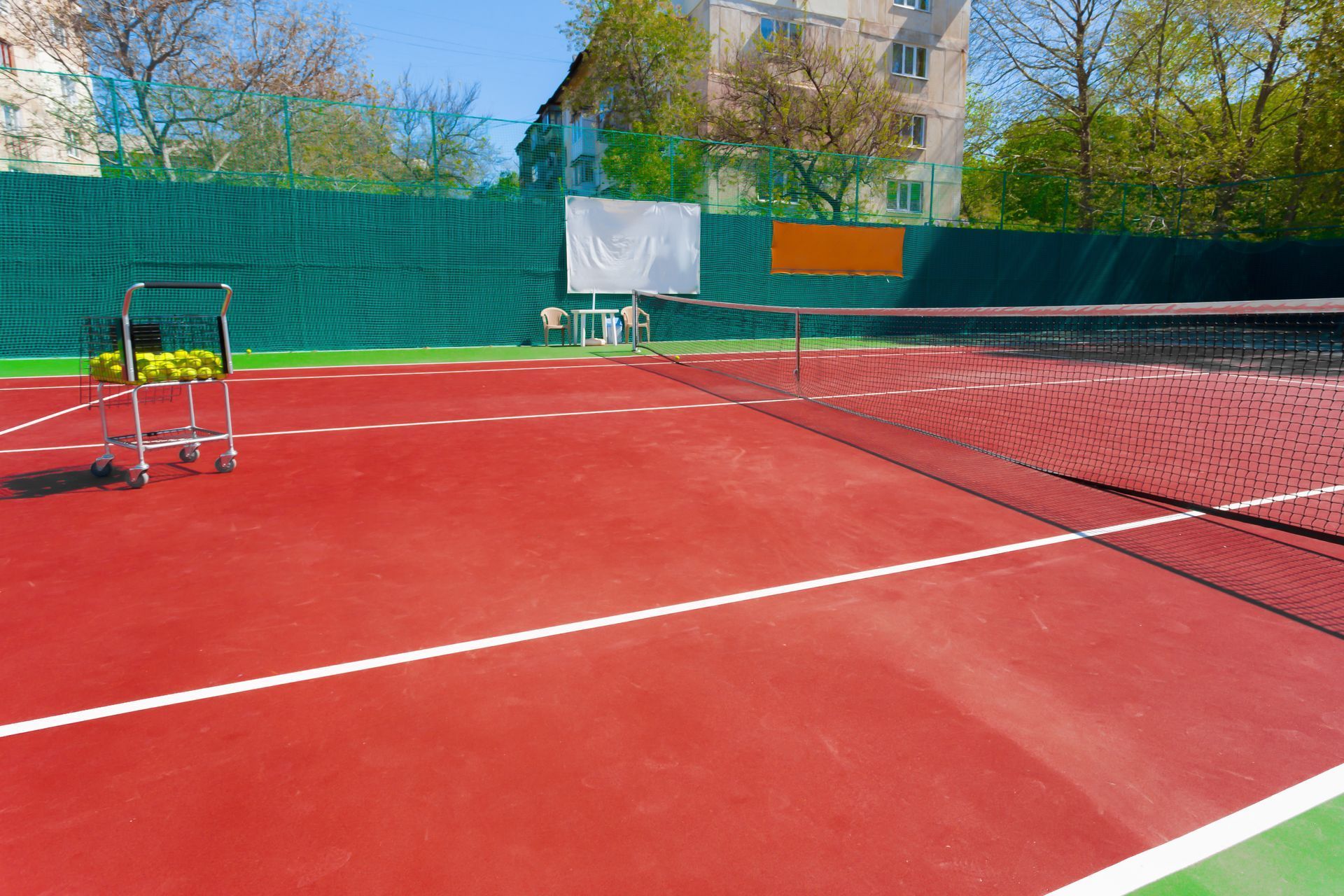
Building public pickleball or tennis courts? ADA pickleball court compliance and ADA tennis court requirements are non-negotiable for parks departments. Mor-Sports Group is a licensed contractor and ASBA member serving Florida, Alabama, and beyond, with deep experience designing ADA-compliant public sports facilities.

May 15, 2026
Worried about HOA tennis court liability in Florida? This guide covers HOA pickleball insurance in Florida, waivers, posted rules, surface-related injury claims, and how proper court construction reduces risk. Mor-Sports Group is a licensed Florida contractor with 35+ years of experience building safer courts. Contact
May 1, 2026
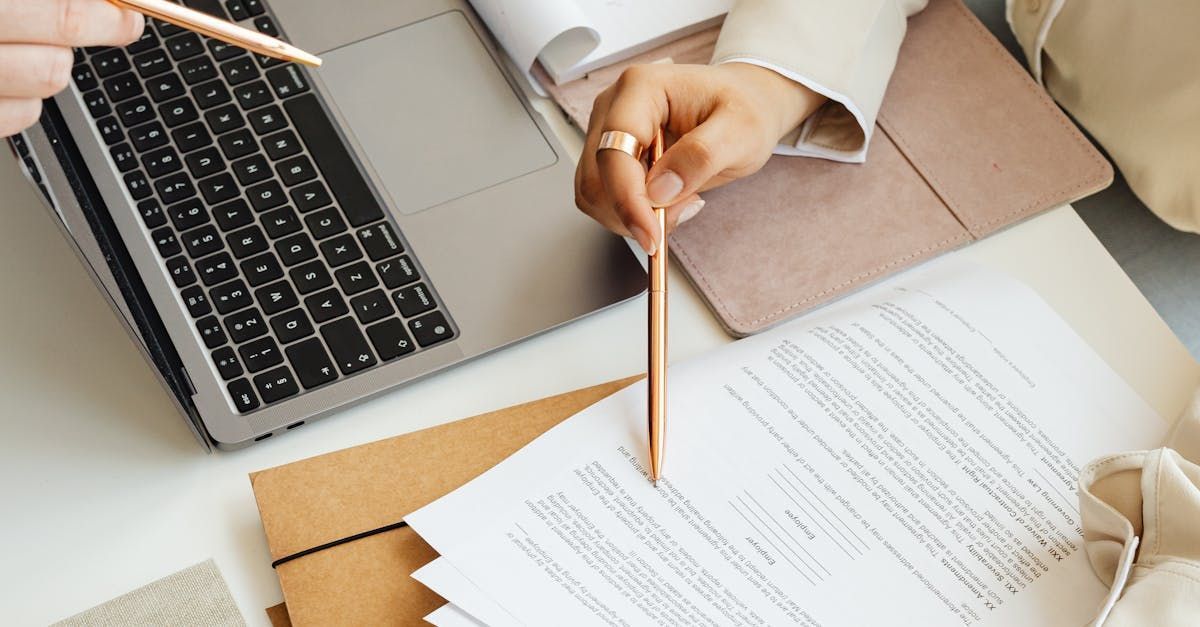
Writing athletic court bid spec for your HOA or condo board? Learn exactly what to include in an HOA sports facility RFP so you get apples-to-apples quotes and avoid change orders. Mor-Sports Group is a licensed Florida contractor and Official Court Builder of the US Open Pickleball Championship.
April 14, 2026
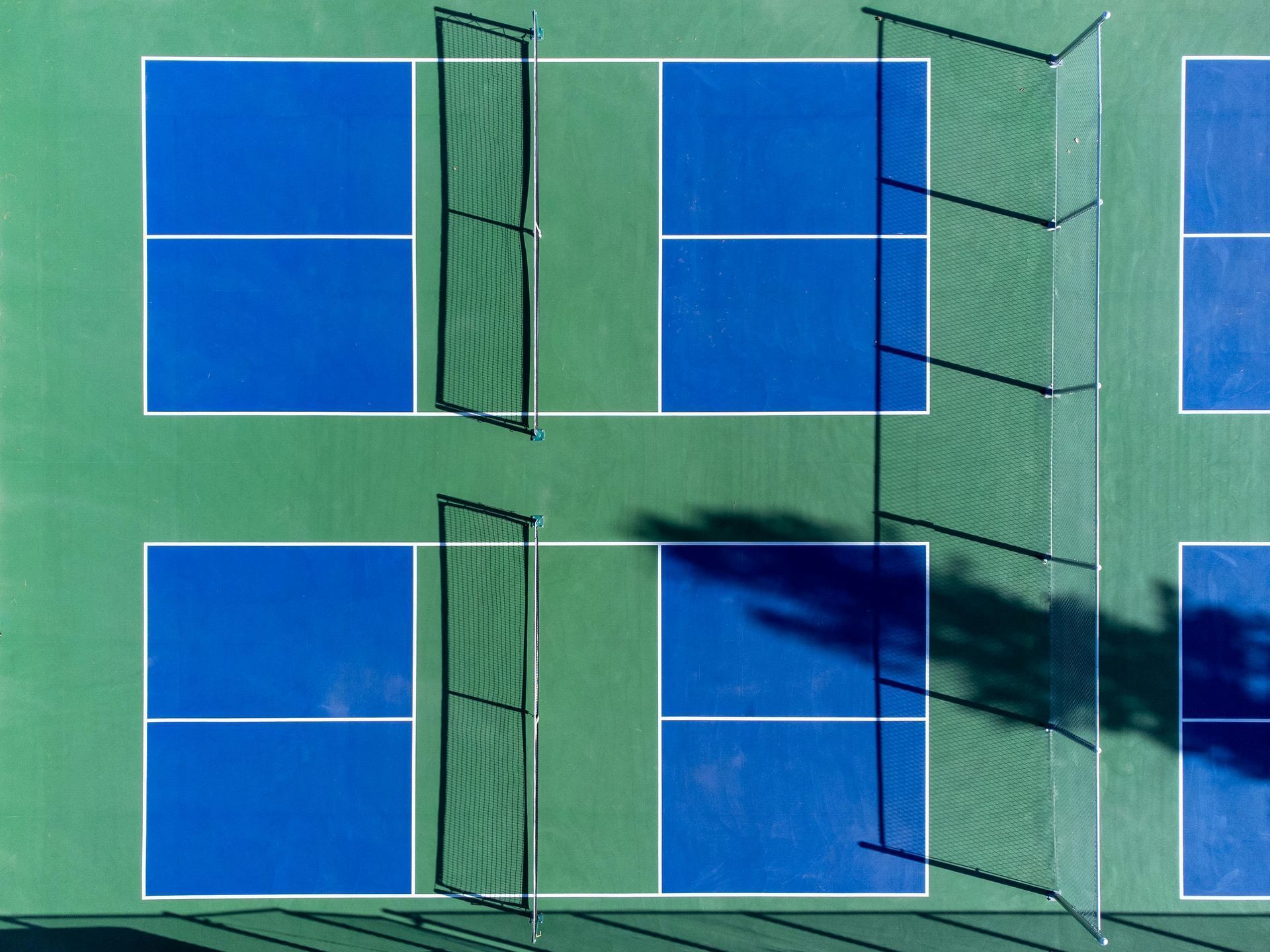
Navigating pickleball court setbacks in Florida? This guide covers Florida condo association pickleball rules, municipal zoning setbacks, buffer requirements, and how Mor-Sports Group designs code-compliant courts for HOAs and condo associations across Florida. Licensed Florida contractor with 35+ years of experience. Contact us today.
April 14, 2026
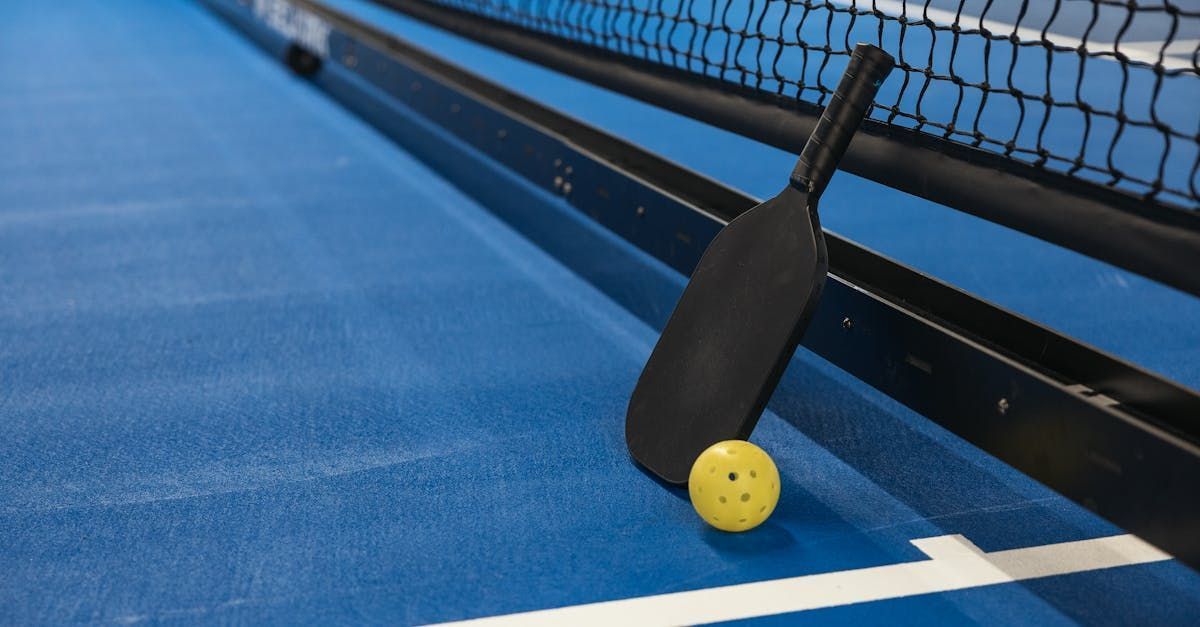
Planning a pickleball court for your Florida HOA? Learn how pickleball court noise Florida HOA rules work, what local noise ordinances allow, and how Mor-Sports Group designs sound-mitigated courts that keep your community and neighbors happy. Licensed Florida contractor, Official Court Builder of the US Open Pickleball Championship. Request a quote today.
March 8, 2026
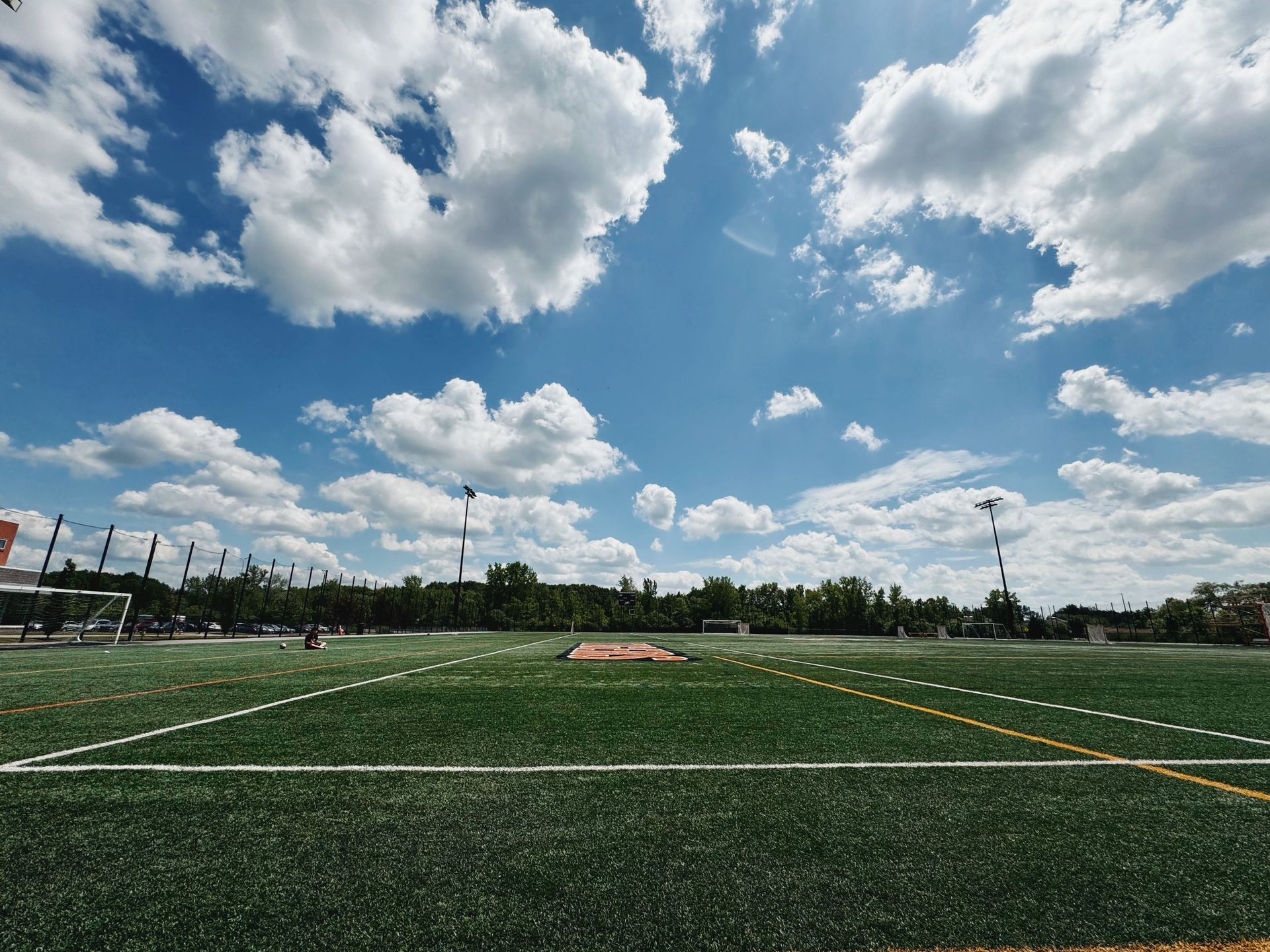
Maximize synthetic grass field safety with Mor-Sports' best practices. Learn essential guidelines for player injury prevention, field maintenance, and athletic regulations.
February 27, 2026
Complete guide to maintaining pickleball courts. Learn essential care routines, seasonal maintenance, common problems, and professional tips to keep your courts in championship condition year-round.
February 22, 2026
Learn the key warning signs that indicate your pickleball court needs resurfacing. Expert guidance on cracks, fading, texture loss, and when to call professionals for court restoration.