Preparing for Athletic Court Construction: What You Need to Know

July 15, 2024
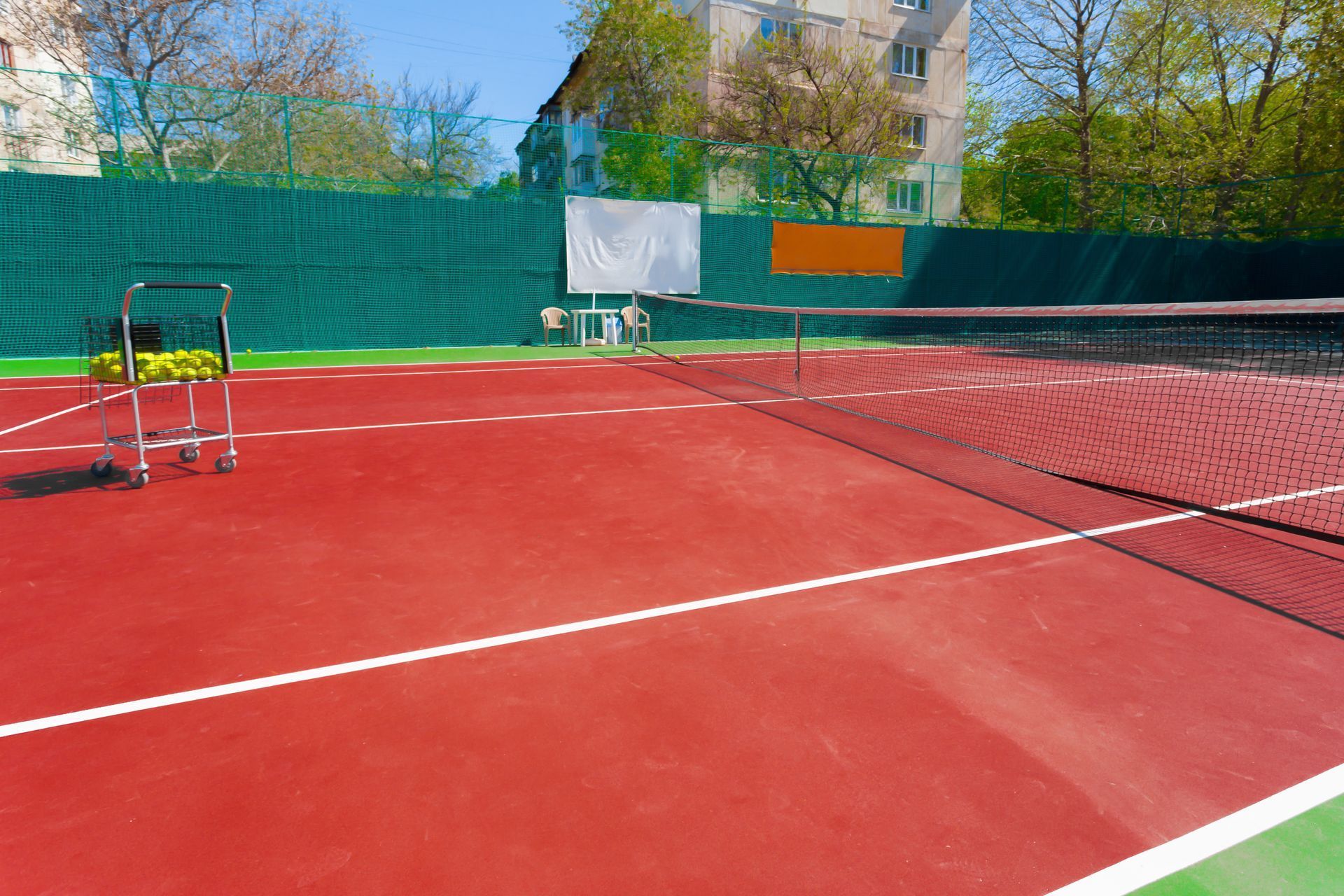
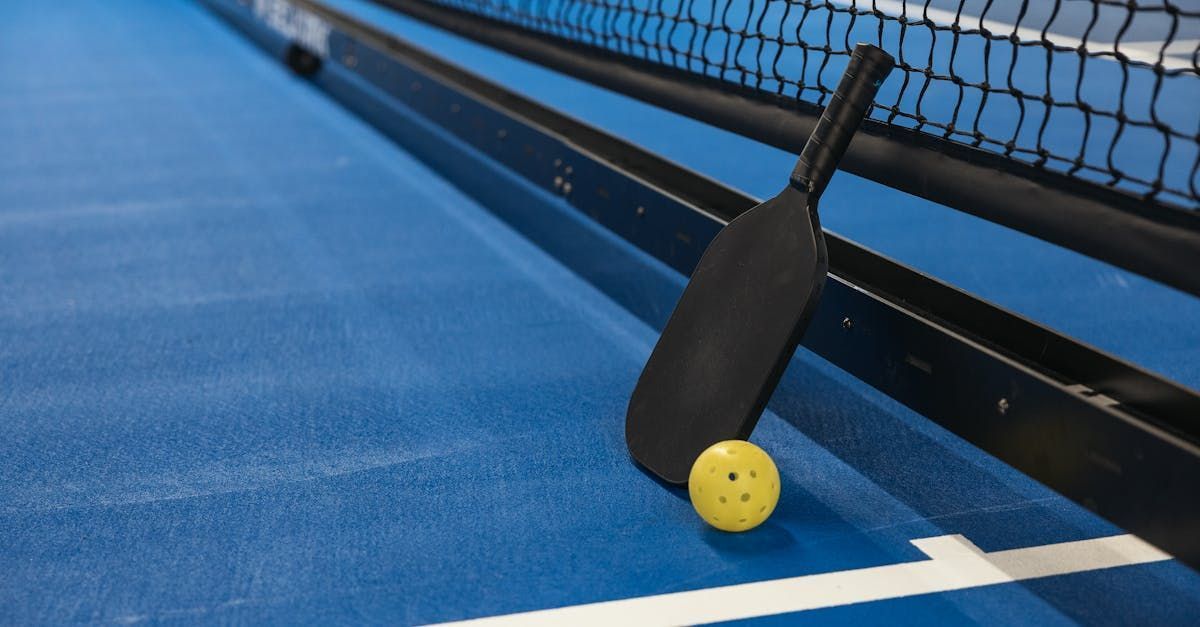
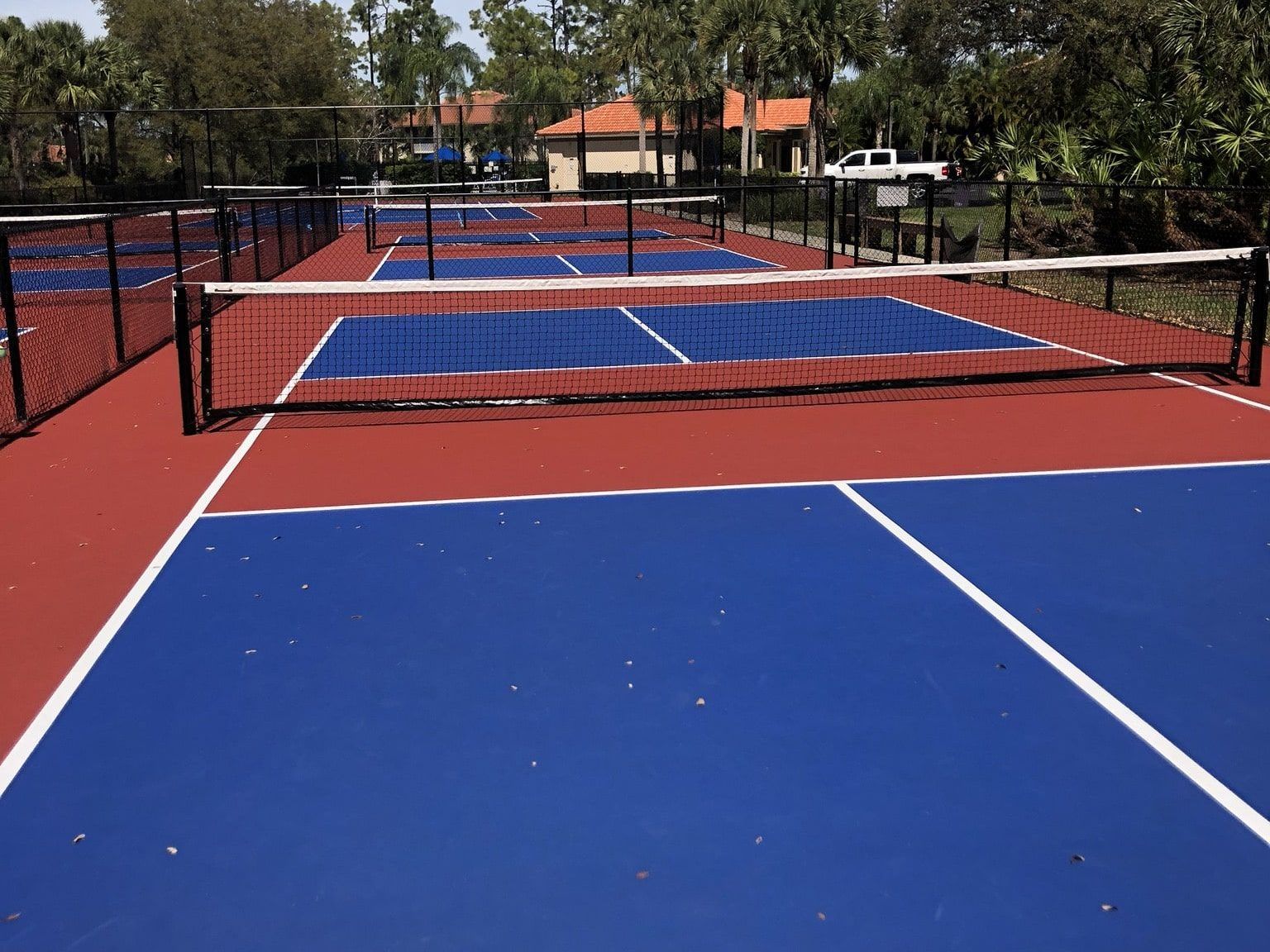
A close up of a tennis net on a tennis court.

Building an athletic court is a big project that needs careful planning and preparation. Whether it's for a school, community center, or private use, the right approach can make all the difference. Preparing well ensures that the court will be safe, durable, and enjoyable for everyone who uses it.


In this article, we will cover everything you need to know before starting your sports facility construction. From choosing the right location and type of court to planning, budgeting, and hiring the right contractor, we’ll guide you through each step. Proper preparation not only saves time and money but also ensures that the final result meets your needs and expectations.


By following these guidelines, you can make the process smoother and more efficient, setting the stage for a successful sports facility construction project. Let's dive into the key factors to consider to get your project off to a great start.

Choosing the Right Location

Picking the right spot for your sports facility is crucial. The location affects everything from the court's usability to its longevity. First, consider the space you have available. Make sure there's enough room not just for the court itself but also for any surrounding areas needed for safety and convenience.


Accessibility is another key factor. The court should be easy to reach for all users, whether they're walking, driving, or using public transportation. If it’s too hard to get to, people might not use it as much as they could.


The surrounding environment also matters. Look for a location that’s free from large trees, as roots can damage the court surface and falling leaves can create extra maintenance work. Also, consider the amount of sunlight and shade the area gets, as this can affect the court's surface over time.


Before finalizing the location, it's important to do a site evaluation and soil testing. This helps ensure that the ground is suitable for construction and can support the court without issues. Soil testing can reveal any potential problems with drainage or stability, which need to be addressed before construction begins.

Selecting the Appropriate Court Type

Choosing the right type of sports facility depends on how it will be used and your budget. Different sports require different types of courts, so it's important to pick the one that fits your needs best.


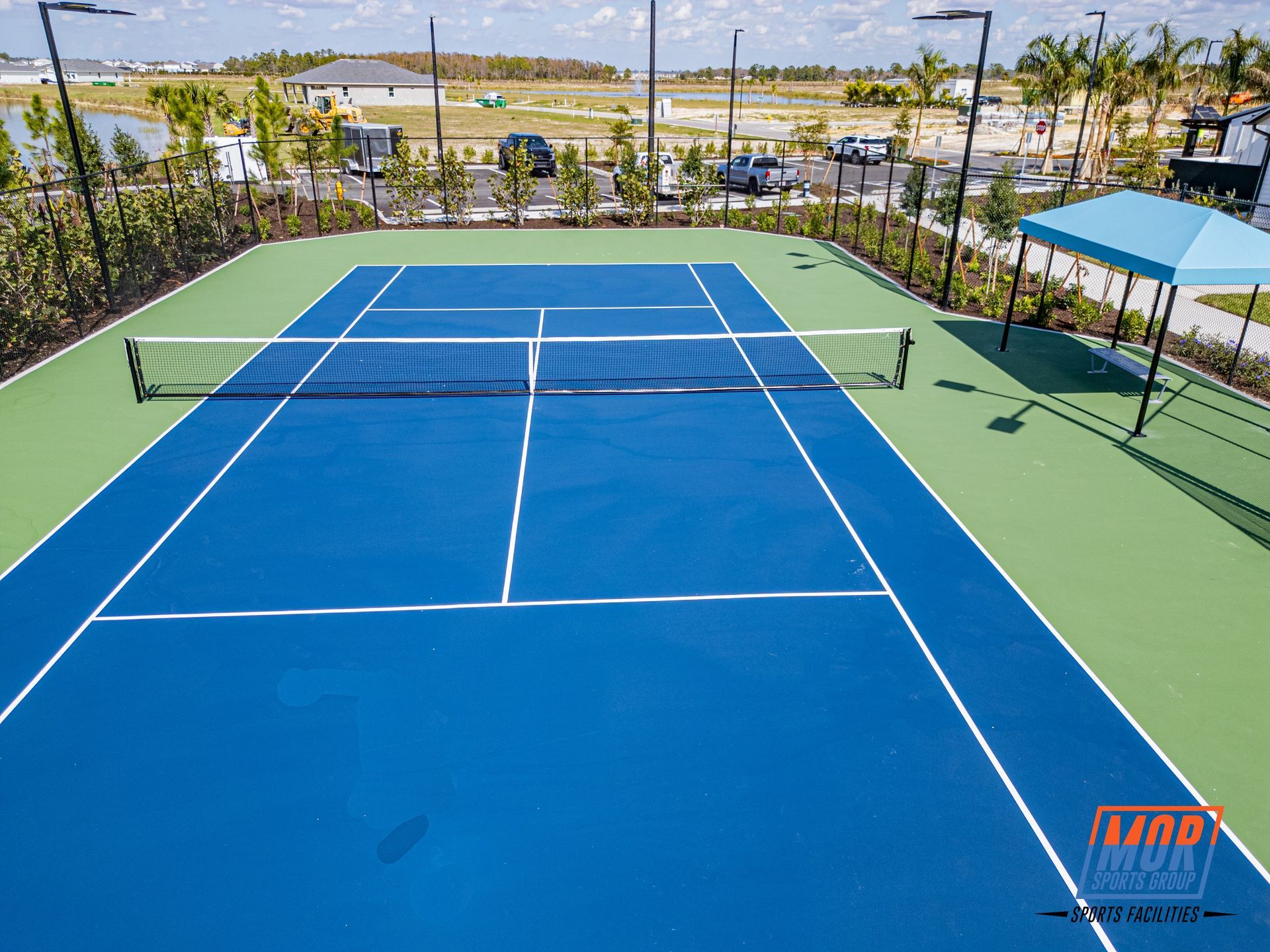
If you’re planning to build a tennis court, you might choose between hard courts, clay courts, or grass courts. 

  • Hard courts are durable and low-maintenance, making them a popular choice. 
  • Clay courts are softer and easier on the joints but need more upkeep. 
  • Grass courts provide a classic look and feel but require regular maintenance to stay in good condition.

For basketball, a hard surface like concrete or asphalt is common. These materials are tough and can handle the high impact of the game. 


If you’re considering a multi-purpose court, synthetic surfaces might be the best option. They offer good performance for various sports and are easier on the players’ joints.


Think about how often the court will be used and by whom. For example, a school or community center might benefit from a multi-purpose court that can handle different activities. This can make the court more versatile and valuable to a larger number of people.


Your budget will also play a big role in deciding the court type. Some materials and designs are more expensive than others. It's important to balance cost with the benefits and longevity of the court. Investing in quality materials can save money on repairs and maintenance in the long run.

A well-maintained sports facility looks great and makes a strong first impression. Fresh paint, clean surfaces, and clear markings create a professional look that enhances the overall experience for players and spectators.

Planning and Design

Importance of a Well-Thought-Out Design

A good design is the foundation of a great sports facility. Planning the layout and features carefully ensures that the court will meet your needs and provide a good playing experience. Take the time to think about how the court will be used and what features are essential.

Key Elements of Sports Facility Design

When designing a sports facility, several key elements need to be considered:

Dimensions: Ensure the court meets the standard size for the sport. This ensures fair play and avoids any issues with regulations.

Layout: Plan the layout to include not just the court but also surrounding areas for safety and convenience. Think about where seating, fencing, and lighting will be placed.

Orientation: The court's orientation can impact play. For example, a north-south orientation for tennis courts can help minimize sun glare for players.

Involvement of Professional Designers and Architects

Working with professional designers and architects can make a big difference. They bring expertise and experience, helping to create a design that is both functional and aesthetically pleasing. Professionals can also ensure that the design meets all necessary regulations and standards.

Material Selection

Common Materials

Choosing the right materials is key to a durable sports facility. Popular options include asphalt, concrete, and synthetic surfaces.

Factors to Consider

Durability: Pick materials that can handle heavy use and weather. Durable materials last longer and need fewer repairs.

Maintenance: Some surfaces need more upkeep than others. Consider how much time and money you can spend on maintenance.

Cost: Balance the initial cost with long-term maintenance expenses.

Material Pros and Cons

Asphalt: Cost-effective and provides good traction but can crack over time and needs sealing.

Concrete: Very durable and low-maintenance but can be hard on joints and more expensive to install.

Synthetic Surfaces: Great performance and easier on joints, versatile for multiple sports, but may have higher upfront costs.

Making the Right Choice

Think about how often the court will be used, what sports will be played, and your maintenance capabilities. Consulting a professional can help you choose the best material.

Budgeting and Financing

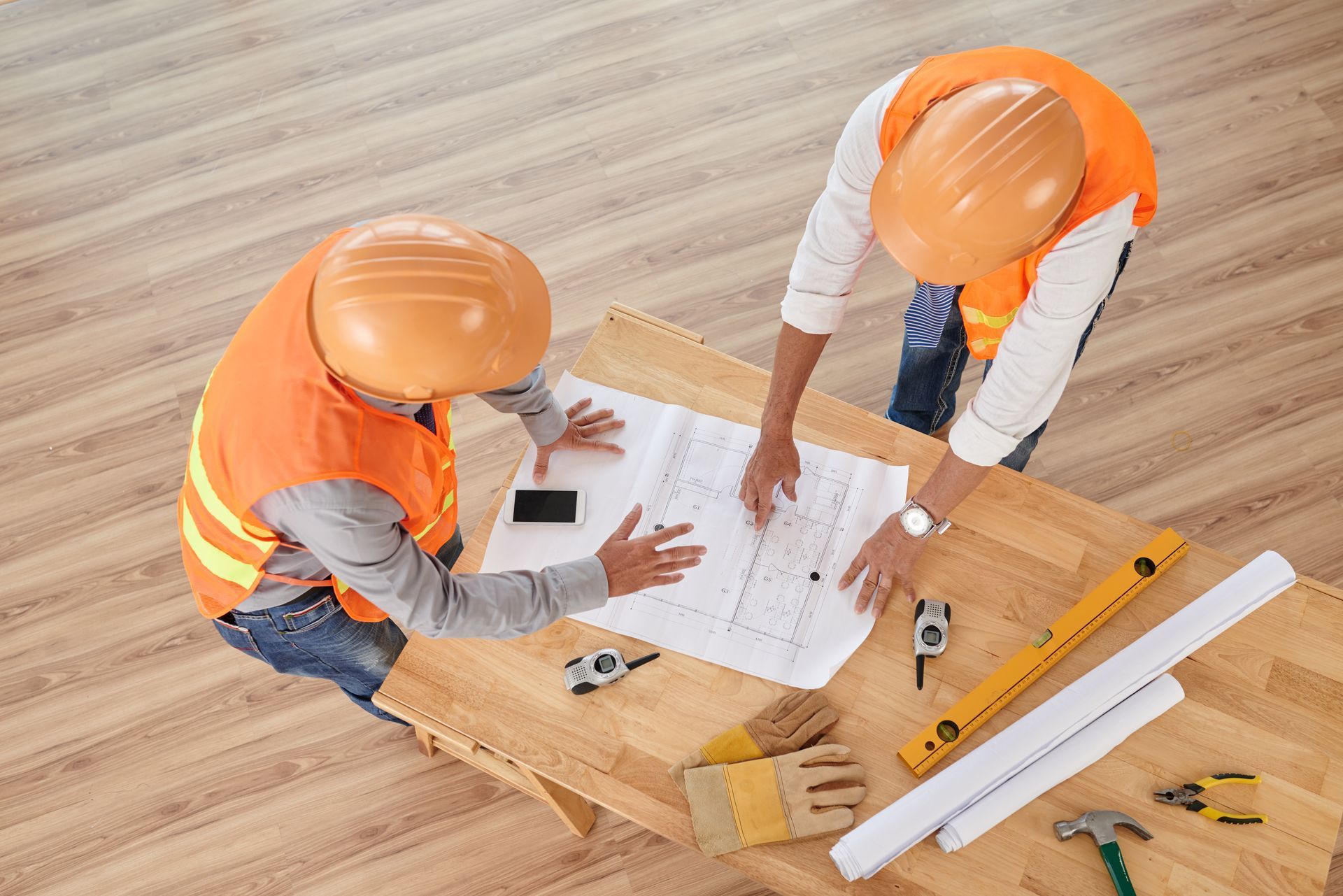
Setting a realistic budget is crucial for your sports facility construction. Start by listing all potential costs, including materials, labor, permits, and any additional features like lighting or seating. This helps you understand the total investment needed and plan accordingly.


Think about financing options if your budget is tight. You might consider loans, grants, or fundraising efforts. Look into community or sports organization grants that can help cover some costs. It's important to explore all possible avenues to secure the necessary funds without straining your finances.


Staying within budget can be challenging, but it’s important for the success of your project. Monitor your spending closely and adjust plans if needed to avoid overspending. Prioritizing essential elements and being flexible with non-essential features can help keep costs under control.

Permits and Regulations

Before starting construction, it's important to get all the necessary permits. These permits ensure that your project meets local building codes and regulations. Check with your local government to find out which permits are required for your sports facility.


The process for obtaining permits can vary depending on your location. Generally, you will need to submit detailed plans and possibly go through inspections. 


It’s a good idea to start this process early to avoid delays in your project. Make sure you have all the paperwork in order and understand the steps involved.


Following local regulations is crucial for the safety and legality of your sports facility. These regulations cover everything from court dimensions to safety features. 


Compliance not only prevents legal issues but also ensures the court is safe and ready for use. 


Taking the time to get the right permits and follow regulations helps your project go smoothly and successfully.

Hiring the Right Contractor

Choosing the right contractor is crucial for a successful sports facility construction. Start by researching local contractors with good reviews and a solid track record. Ask for recommendations from friends or online forums.


Check their credentials to ensure they are licensed, insured, and experienced with the type of court you want. Look at their previous work and, if possible, visit completed projects to see the quality.


Ask important questions about their experience, project timeline, and cost estimates. A good contractor will be transparent and willing to answer all your questions. Hiring experienced professionals ensures your court is built to high standards and gives you peace of mind.

Conclusion

Building a sports facility requires careful planning. Choose the right location, court type, and materials. Plan your design, set a budget, and get necessary permits.


Hiring the right contractor ensures quality construction. Research and select experienced professionals for the best results.


At Mor Sports Group, we offer expert guidance and top-notch services for sports facility construction. Contact us to learn how we can help make your project a success.

Man mowing the grass on a soccer field in a stadium with purple seating.
By Mor Sports Group March 8, 2026
Maximize synthetic grass field safety with Mor-Sports' best practices. Learn essential guidelines for player injury prevention, field maintenance, and athletic regulations.
Pickleball paddle and ball on a blue court next to a net.
By Mor Sports Group February 27, 2026
Complete guide to maintaining pickleball courts. Learn essential care routines, seasonal maintenance, common problems, and professional tips to keep your courts in championship condition year-round.
Yellow pickleball and black paddle on a blue court next to a white line.
By Mor Sports Group February 22, 2026
Learn the key warning signs that indicate your pickleball court needs resurfacing. Expert guidance on cracks, fading, texture loss, and when to call professionals for court restoration.
By Mor Sports Group February 21, 2026
Extend your artificial turf's life with Mor-Sports' expert maintenance guide. Learn daily, weekly, and annual care tips for lasting performance & safety.
Aerial view of a soccer field with a running track, surrounded by houses and trees.
By Mor Sports Group February 8, 2026
Explore the surging demand for eco-friendly sports surfaces and key industry trends for 2026. Discover sustainable materials, green building innovations, and why recycled turf is critical for modern sports facilities.
By Mor Sports Group February 4, 2026
Learn essential summer maintenance tips to protect your tennis court from heat damage, improve player safety, and extend your court's lifespan during the hottest months.
Close-up of small gray and tan gravel rocks.
By Mor Sports Group February 2, 2026
Discover why crushed stone is the top choice for bocce ball courts. Learn about superior drainage, consistent surface quality, durability, low maintenance, and cost advantages for your court project.
Black pickleball paddle and yellow ball on a blue court next to a white line.
February 1, 2026
Discover the best surface paints for pickleball courts. Learn key features, application tips, and maintenance advice.
Basketball hoop with weathered backboard and net, set against blurry trees.
By Mor Sports Group January 27, 2026
Learn how heat, cold, rain, and UV rays affect outdoor basketball court materials. Discover which surfaces work best for your climate and get expert maintenance tips to extend your court's lifespan.
Tennis ball on a white line on a blue court, with blurred lights in the background.
By Mor Sports Group January 23, 2026
Discover the key differences between artificial turf and natural grass for padel courts. Learn about costs, maintenance, playability, and which surface is right for your climate and usage needs.