Comparing Padel Court Flooring: Artificial vs. Natural
Choosing the right flooring for a padel court is one of the most important decisions you'll make, whether you're setting up a court for a club, community center, school, or your own backyard. The type of surface you install affects gameplay, player comfort, ongoing maintenance, and the overall feel of the court.
There are two main types of flooring people consider when it comes to padel: artificial turf and natural grass. Each has its pros and cons, and which one is right for you depends on your goals, your climate, and how often the court will be used.
Why the Court Surface Matters
The court surface isn't just about looks. It plays a huge role in how the game is played. It affects the bounce of the ball, how players move and stop, injury prevention, and how long the court lasts before it needs to be repaired or replaced.
For both recreational and competitive play, consistent performance and comfort are key.
Artificial Turf: The Reliable Favorite
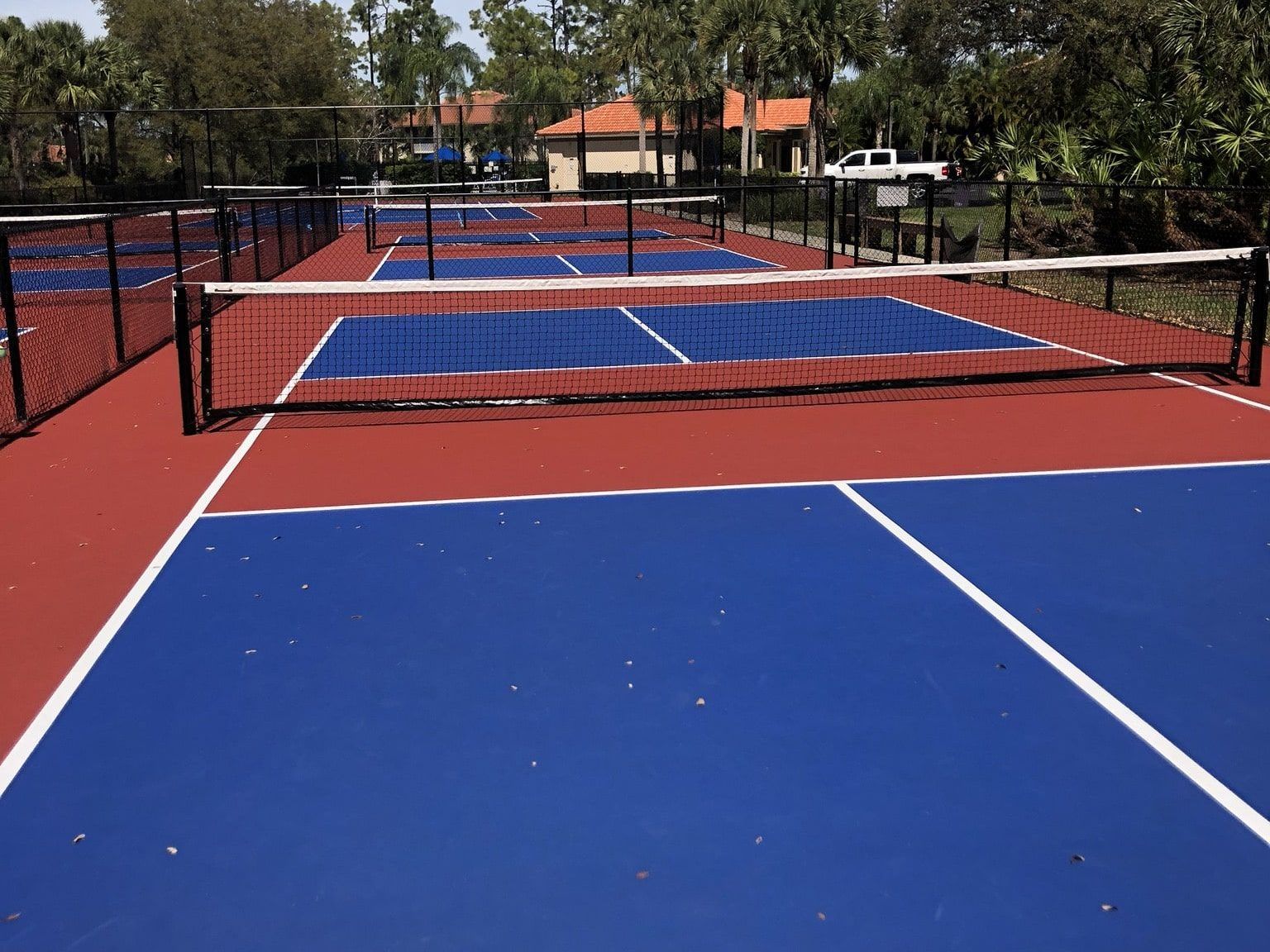
Artificial turf has become the go-to surface for most modern padel courts. It's used in indoor and outdoor settings, from high-end clubs to public courts.
Benefits of Artificial Turf
Low maintenance is one of the biggest advantages. You don't have to water, mow, or deal with mud. Most of the upkeep involves brushing the surface and occasionally redistributing the sand infill.
Durability is another key benefit. Turf can handle frequent play and changing weather without getting damaged easily. It's designed to last several years with minimal upkeep, and consistent play is guaranteed since the surface is manufactured and installed evenly, making the ball bounce and player movement more predictable.
Artificial turf is all-weather ready. Rain, heat, or dry seasons—turf holds up in most environments. That's why it's popular worldwide.
Things to Watch Out For
In warmer climates, the turf can heat up quickly in the sun. Players may notice this during peak hours. Most artificial turf padel courts use silica sand infill to keep the turf fibers upright and support grip, and this sand needs occasional adjustment.
The upfront costs are higher than grass, but it pays off in the long run with less maintenance.
Natural Grass: Traditional and Aesthetic
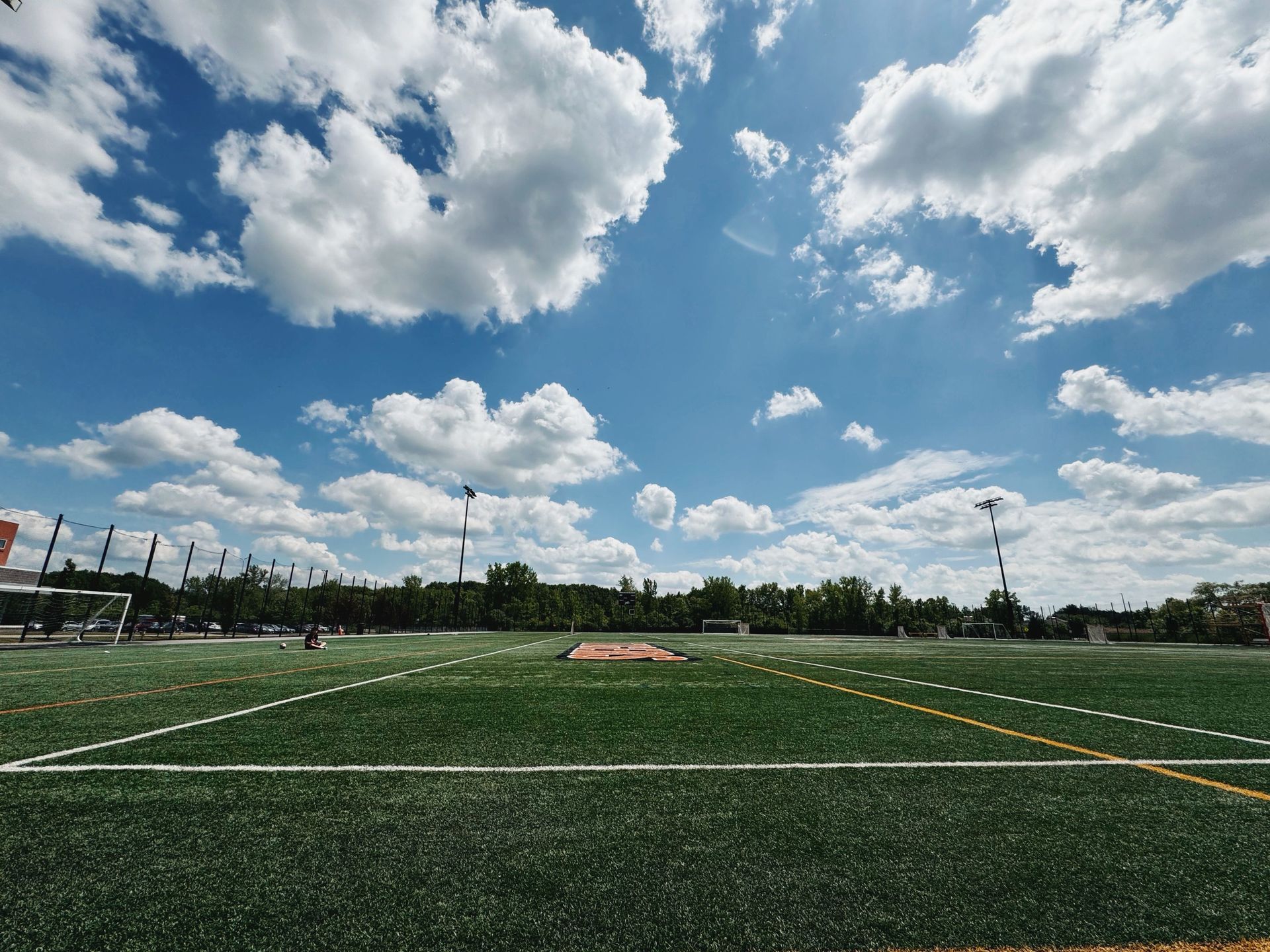
Some people prefer natural grass for its soft surface and classic feel. It's more common in older or less competitive courts and some residential setups.
Benefits of Natural Grass
Grass provides a soft feel that's gentler on the joints and provides a comfortable playing experience. A lush green lawn has a natural charm that appeals to many players and spectators alike.
Drawbacks of Natural Grass
High maintenance is the primary challenge. You'll need to water, mow, reseed, and deal with drainage. And let's not forget the fertilizers and pest control required to keep the surface in good condition.
Weather dependency is another major issue. Heavy rain makes it muddy, while hot weather dries it out. You're constantly adjusting to maintain playable conditions.
Inconsistent bounce is a significant drawback for competitive play. Grass can develop bald patches and uneven areas that affect how the ball bounces and how players move.
Installation and Maintenance Cost Comparison
When planning a padel court, understanding the financial implications of different surface options is crucial. Both artificial turf and natural grass come with distinct installation and maintenance costs that can significantly impact your long-term budget.
Artificial Turf Costs
The cost of installing artificial turf for a padel court varies based on factors like turf quality, manufacturer, and installation complexity. With proper maintenance, artificial turf can last between 8 to 10 years, providing a durable playing surface over time.
Maintenance for artificial turf is relatively low, involving regular brushing to keep fibers upright and periodic sand infill top-ups. Annual maintenance costs are estimated between $500 to $1,000, depending on usage and local conditions.
Natural Grass Costs
Installing natural grass is generally less expensive upfront, with costs ranging from $5 to $10 per square meter, depending on the choice between seeding or sod. However, natural grass surfaces require constant care and can degrade quickly if overused or not properly maintained, leading to more frequent resurfacing.
Maintaining a natural grass padel court is labor-intensive and costly. Regular tasks include mowing, watering, fertilizing, pest control, and surface leveling. Annual maintenance expenses can range from $1,000 to $3,000, influenced by climate and usage intensity.
In summary, while natural grass may offer lower initial installation costs, the higher ongoing maintenance expenses and shorter lifespan often make artificial turf a more cost-effective choice for high-use padel courts.
Playability: How the Game Feels
If you're aiming for consistency and fast-paced games, artificial turf wins. It provides even bounce, steady traction, and faster game speed that competitive players appreciate.
Natural grass, on the other hand, is slower and softer. That can be enjoyable for casual play, but it isn't ideal for competitive matches where consistency is paramount.
Climate and Environmental Factors
Your local weather should influence your decision significantly. In hot climates, artificial turf is better because it doesn't dry out like grass. But make sure it's heat-resistant to avoid player discomfort during peak hours.
In rainy areas, turf drains more efficiently while grass gets muddy and unplayable. For cold regions, turf doesn't die in winter whereas grass might go dormant or die back completely.
For eco-conscious buyers, there are turf options made from recyclable materials. While artificial turf reduces water use, it's not biodegradable. Grass is natural but demands a lot of water and care. Both have environmental pros and cons worth considering.
Customization and Design
Artificial turf allows for color customization and design flexibility. You can use colored turf for branding or club identity, add custom lines or logos, and choose turf density and pile height for specific play styles.
Grass is limited in this regard. What you see is what you get—green, and only green.
Where to Get Professional Support
If you're planning to install or renovate a padel court, it's important to work with experienced professionals. Companies like Mor Sports Group specialize in turnkey solutions for court construction, flooring installation, and ongoing maintenance.
They offer consultation on the best surface for your climate and usage needs, installation of artificial turf or alternative padel flooring, and maintenance support to help prolong the court's life.
Whether you're building a single court or a full sports complex, partnering with experts ensures a longer-lasting, better-playing court.
Conclusion
Artificial turf and natural grass each have their place in the world of padel courts. If you value low maintenance, high durability, and consistent play, artificial turf is likely your best bet. It's the surface used by most modern clubs and pro-level courts.
For those who want a traditional look and don't mind the upkeep, natural grass may still hold appeal. Think about your location, how much use the court will get, who will be playing, and your maintenance budget. Once you have those answers, choosing between artificial and natural becomes a lot easier.