
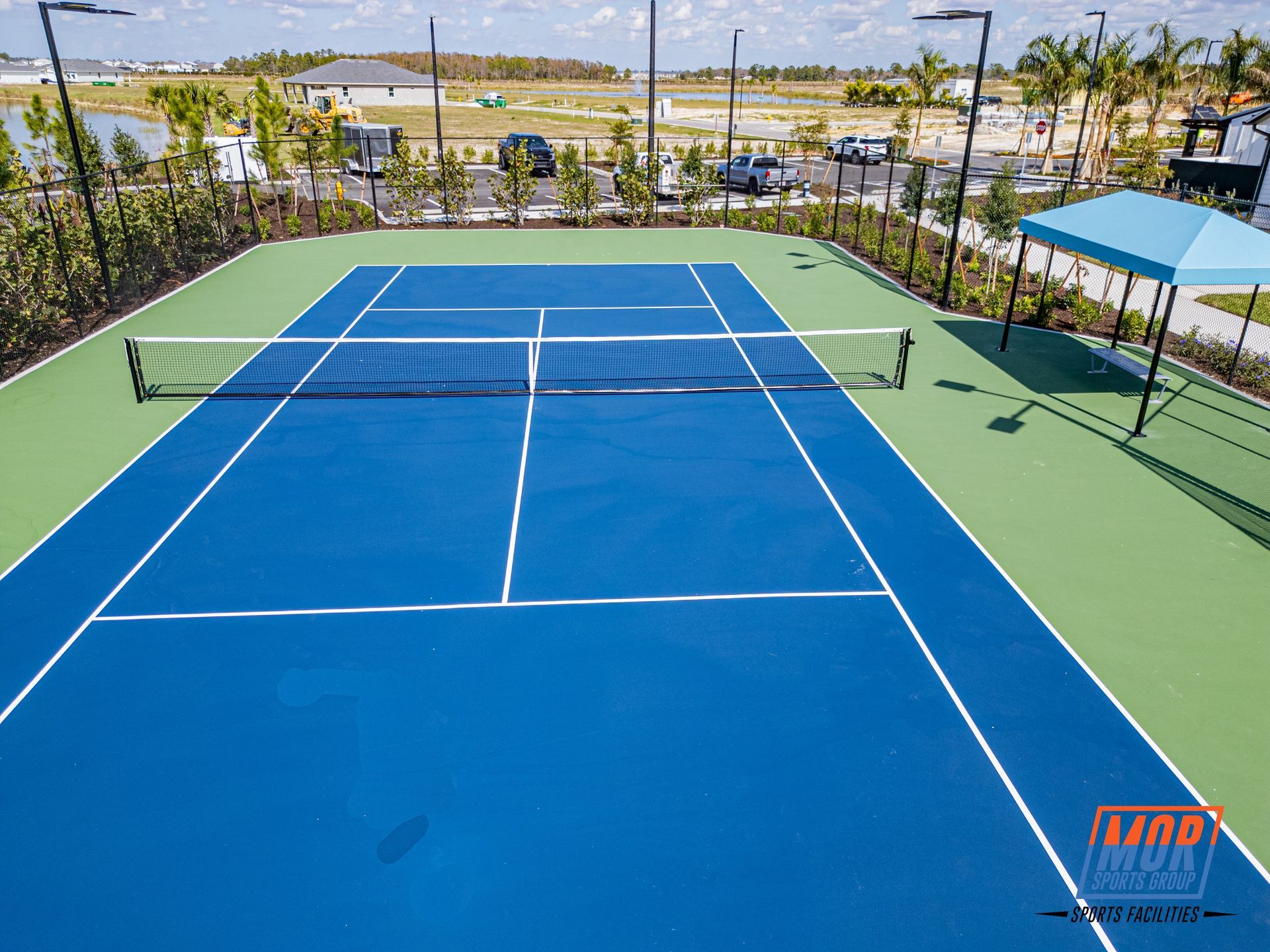
Insurance and Liability for HOA-Owned Tennis and Pickleball Courts in Florida
An HOA board that owns sports courts owns a liability exposure. In Florida, where the combination of a large retiree population, aggressive personal injury litigation, and intense weather creates a unique risk environment, understanding how courts generate claims, and how to reduce that exposure, is part of responsible board governance. This guide is educational, not legal advice. Consult your HOA's counsel and insurance carrier for guidance specific to your community.

Florida Premises Liability Basics for HOAs and Condo Associations
Florida premises liability law requires property owners, including HOAs and condo associations, to maintain common areas in a reasonably safe condition and to warn of known hazards. Courts fall squarely within that duty.
For a personal injury claim to succeed against an HOA, the claimant generally needs to establish that the HOA knew or should have known about a hazardous condition, that the HOA failed to correct it or warn about it, and that the condition caused the injury. The second element, what the HOA knew or should have known, is where maintenance records, inspection logs, and documented repair requests become critical.
Florida also follows a comparative negligence standard, meaning a plaintiff's recovery can be reduced proportionally if they contributed to their own injury. A player who ignores a clearly posted sign warning of a cracked surface and injures themselves may recover less than a player who had no warning. That doesn't eliminate the HOA's exposure, but it shapes settlement calculations.
Most Common Court-Related Injury Claims (and What Caused Them)
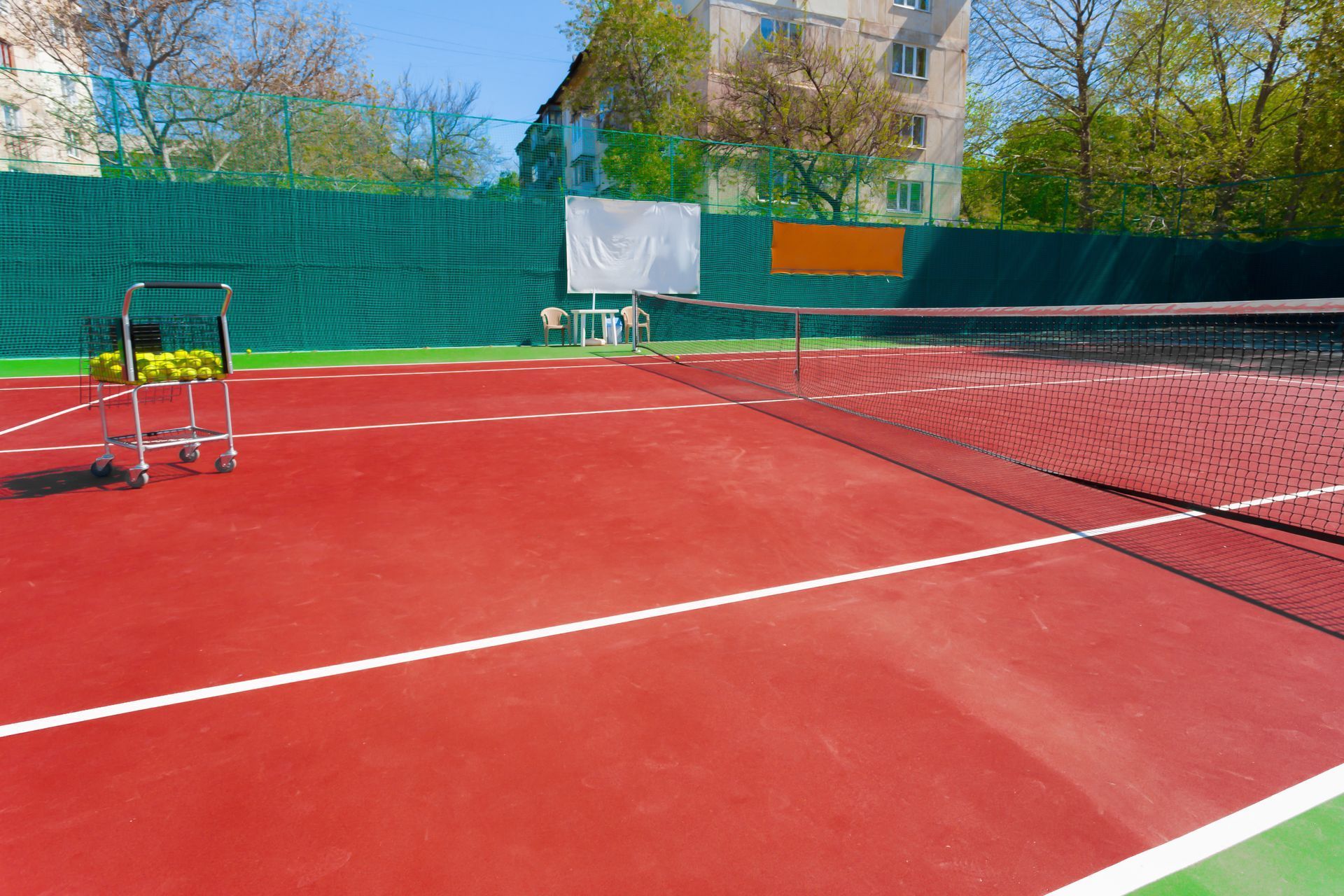
Surface defects generate the largest share of court injury claims. Cracks, lifted edges, surface blistering, and pooled water are the most frequently cited conditions in slip-and-fall actions involving sports courts. In Florida, the combination of heat cycling and moisture means surface deterioration happens faster than in most climates, and a court that passed inspection three years ago may have significant defects today.
Net post and fencing injuries are less common but tend to be more severe. Players running toward the net and contacting an inadequately padded post, or fencing that has shifted and created a sharp edge, generate claims with higher medical costs. Net post collar pads are not decorative.
Lighting failures represent a third category. A player who falls on a poorly lit court at dusk or under malfunctioning fixtures has a much stronger negligence argument than one who falls in full daylight. Regular lighting inspections, including fixture output testing rather than just visual inspection of bulb operation, reduce this exposure.
How Surface Condition Becomes a Liability Issue
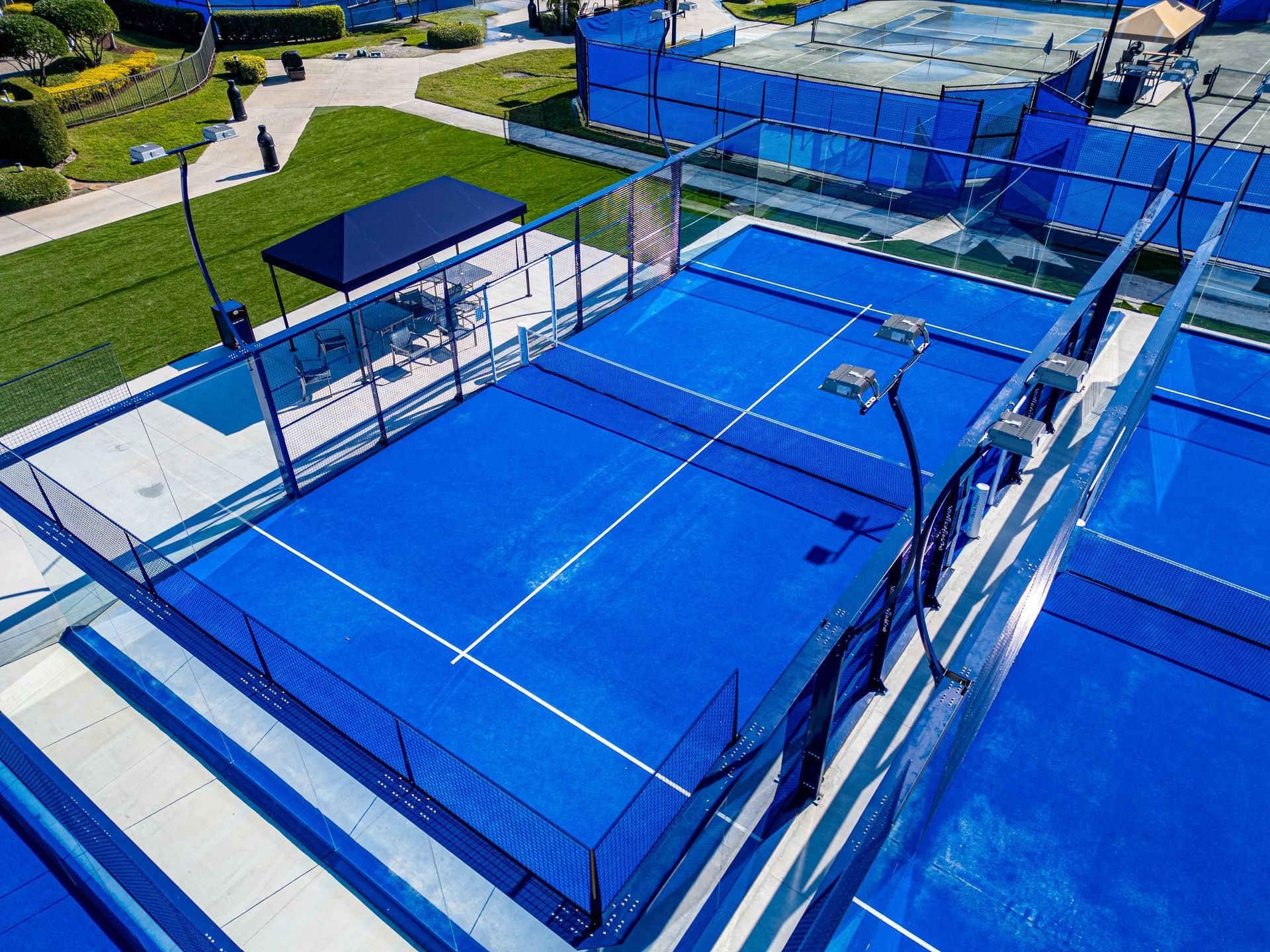
The gap between a court that looks acceptable and a court that is safe to play on is wider than most boards realize. Surface condition issues that create liability include alligator cracking where the surface has fractured into irregular patterns, court lines that have faded to the point of being difficult to see, surface depressions that collect water, and acrylic delamination that creates raised or loose sections underfoot.
Florida's climate accelerates all of these conditions. UV degradation, standing water from tropical rainfall, and freeze-thaw cycles in northern Florida counties can reduce surface life to as few as five years on a court with a marginal original installation.
The liability issue crystallizes when the board receives written notice of a surface condition and doesn't act. A homeowner's email saying the court surface has cracks is constructive notice. From that point forward, the board's inaction is documentable. Scheduling a surface assessment and documenting the response is better risk management than hoping nobody else notices.
Lighting, Signage, and Posted Rules That Reduce Claims
Courts with clearly posted rules, operational hours, and condition warnings carry a defensible position in litigation that courts without signage don't have. At minimum, HOA and condo courts should have posted rules that include permitted and prohibited activities, hours of operation, age or supervision requirements if applicable, and a statement that players assume the inherent risks of participation.
Assumption of risk is a meaningful defense in Florida for recreational activity claims. Florida courts have recognized that participants in recreational sports assume certain inherent risks of that activity. But that defense is undermined when the HOA also had a specific, fixable hazard it failed to address.
Lighting should meet minimum foot-candle levels for the courts' intended hours of operation. Courts intended for evening use that don't meet basic illumination standards represent an avoidable exposure. Mor-Sports Group can assess existing lighting systems as part of any resurfacing or renovation project.
Cushioned vs. Hard Surfaces: The Liability Tradeoff
The surface system choice has a direct effect on injury risk. Cushioned court systems, which use a rubber base layer under the acrylic playing surface, measurably reduce lower-extremity joint stress compared to hard acrylic over concrete. Pickleball involves a significant amount of lateral movement and abrupt stopping, which concentrates load on knees, hips, and ankles.
Boards sometimes ask whether installing a cushioned surface creates an implied warranty of safety that increases rather than decreases liability. The answer, generally, is no. Installing a safer surface doesn't create a guarantee; it demonstrates reasonable care, which is the standard Florida law requires. A cushioned surface that is well-maintained is a defensible choice. A hard surface that is cracked and unrepaired is not.
Why Resurfacing Cycles Are an Insurance Issue, Not Just a Maintenance One
Courts that are past their resurfacing cycle carry elevated liability exposure. Most acrylic tennis and pickleball court surfaces in Florida need resurfacing every four to eight years depending on usage, maintenance, and initial installation quality. A board that defers resurfacing past that window to save money in the current fiscal year is trading a predictable maintenance cost for an unpredictable liability exposure.
Some HOA insurance carriers are beginning to ask about court condition as part of renewal underwriting. A community that can document a regular resurfacing and maintenance cycle is in a better position than one that cannot. Maintenance records should be retained for the life of the court, not just the most recent fiscal year.
Mor-Sports Group provides tennis and pickleball court resurfacing across Florida. Our resurfacing work includes surface condition assessment, crack repair, and a written report suitable for HOA records and insurance documentation.
Documenting Maintenance to Protect Your Board
Documentation is the board's primary defense in a liability claim. Without records, an attorney arguing the board had constructive notice of a defect and failed to act can make a compelling case even when the board believed it was managing the property responsibly.
Best practice is to conduct documented court inspections at least twice per year, in the spring before peak season and in the fall after summer weather stress. Each inspection should note the surface condition, any observed cracks or defects, the status of fencing and net posts, and lighting functionality. If defects are noted, the record should include the date a repair was authorized, the date it was completed, and who performed the work.
Incident reports for any on-court injuries should be filed immediately and retained indefinitely. The HOA's insurance carrier should be notified promptly of any claim or potential claim.
If your board is evaluating court condition or planning a resurfacing project, Mor-Sports Group provides HOA court assessments and resurfacing work across Florida. We have 35 years of experience building and maintaining courts at the highest levels of play, from community HOAs to championship venues.