Choosing the Right Surface for Pickleball Courts

December 30, 2024
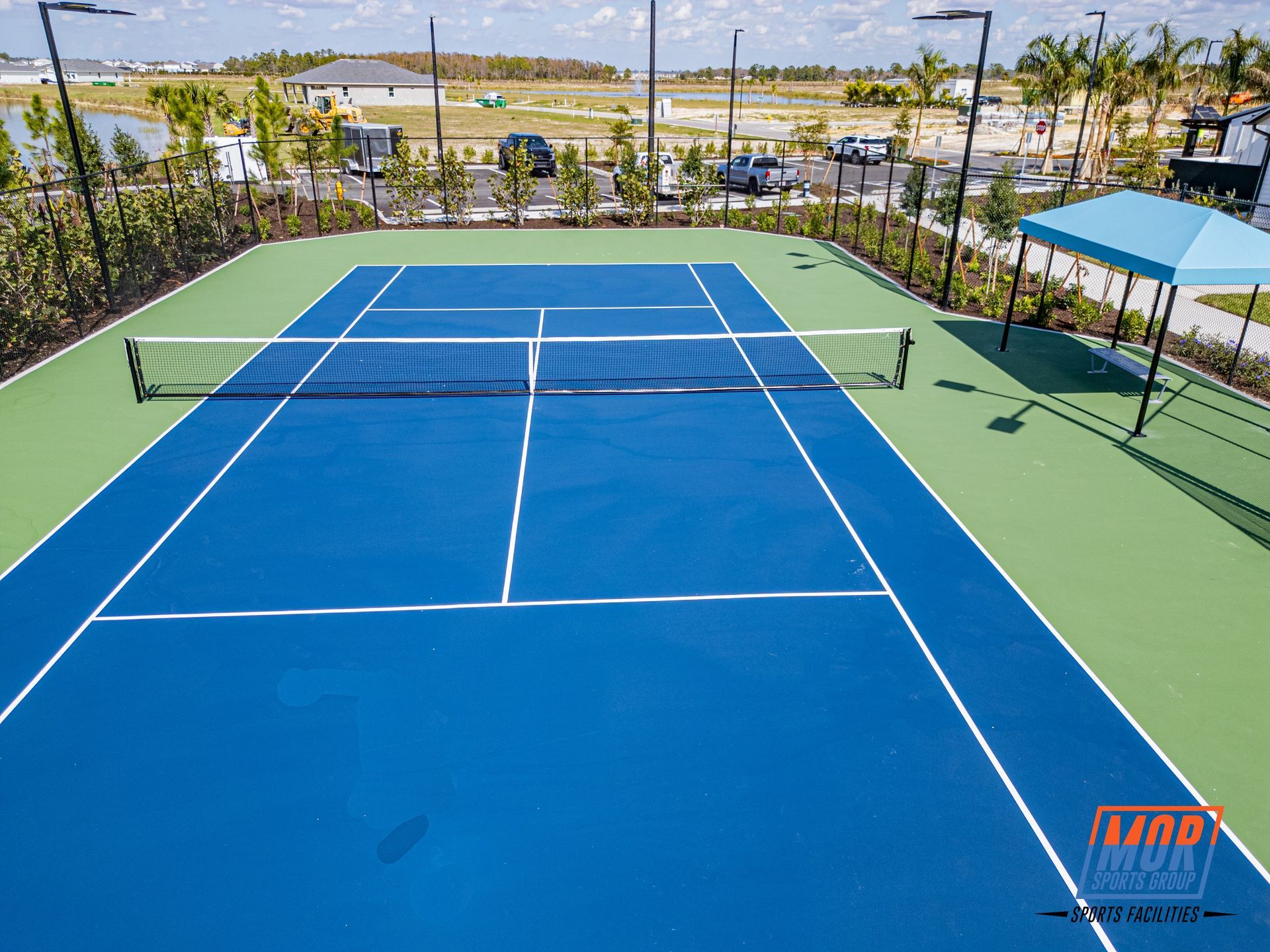
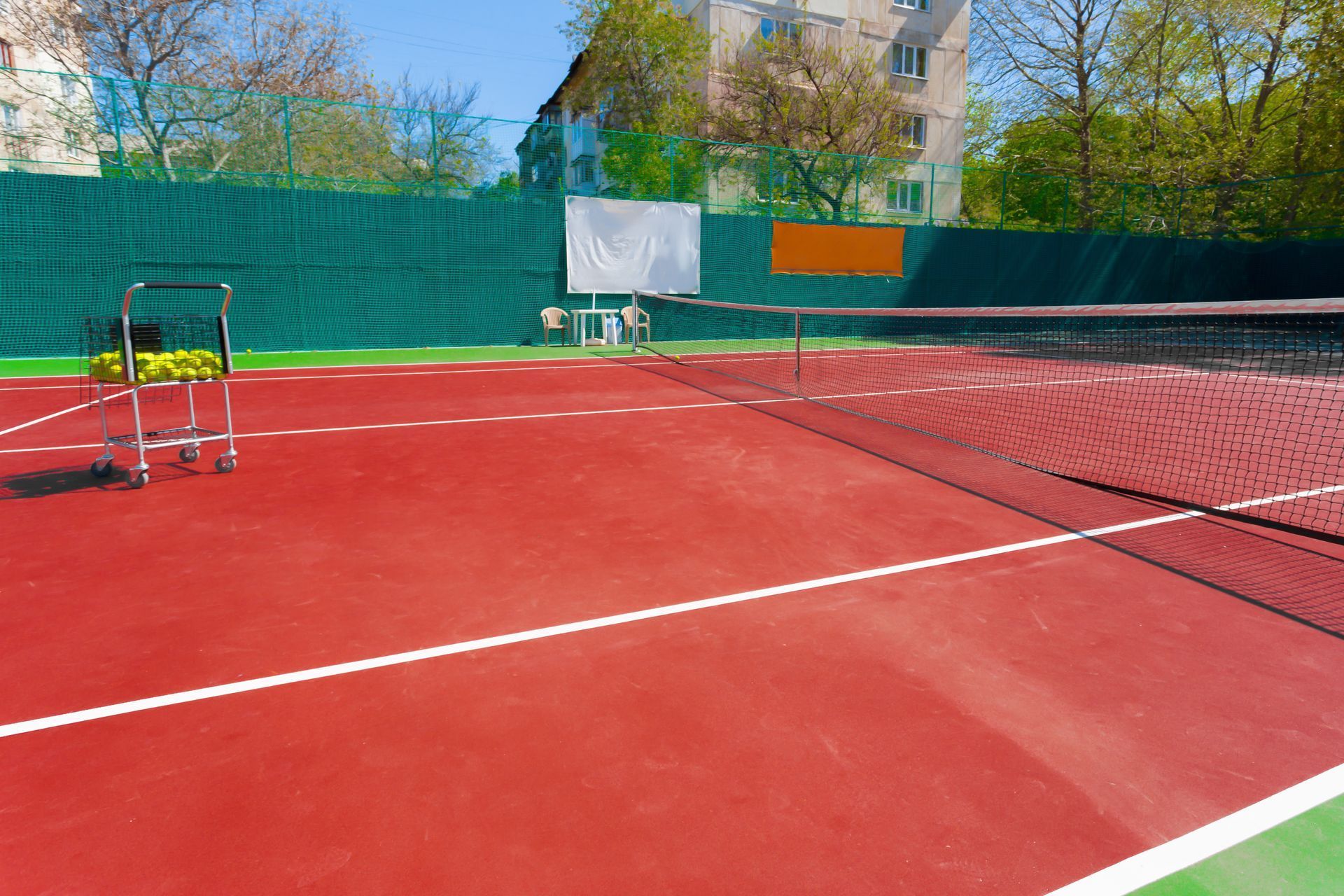
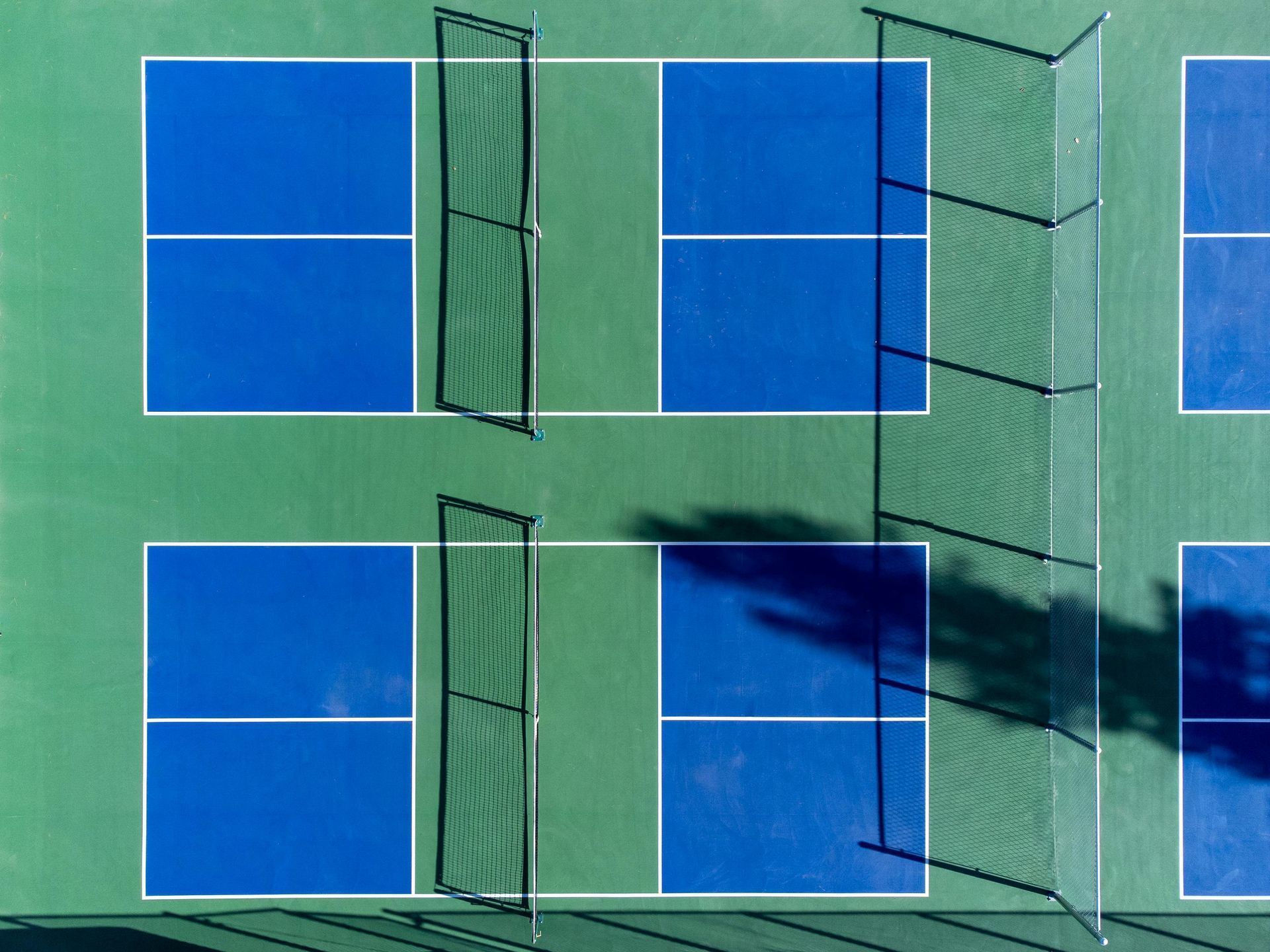
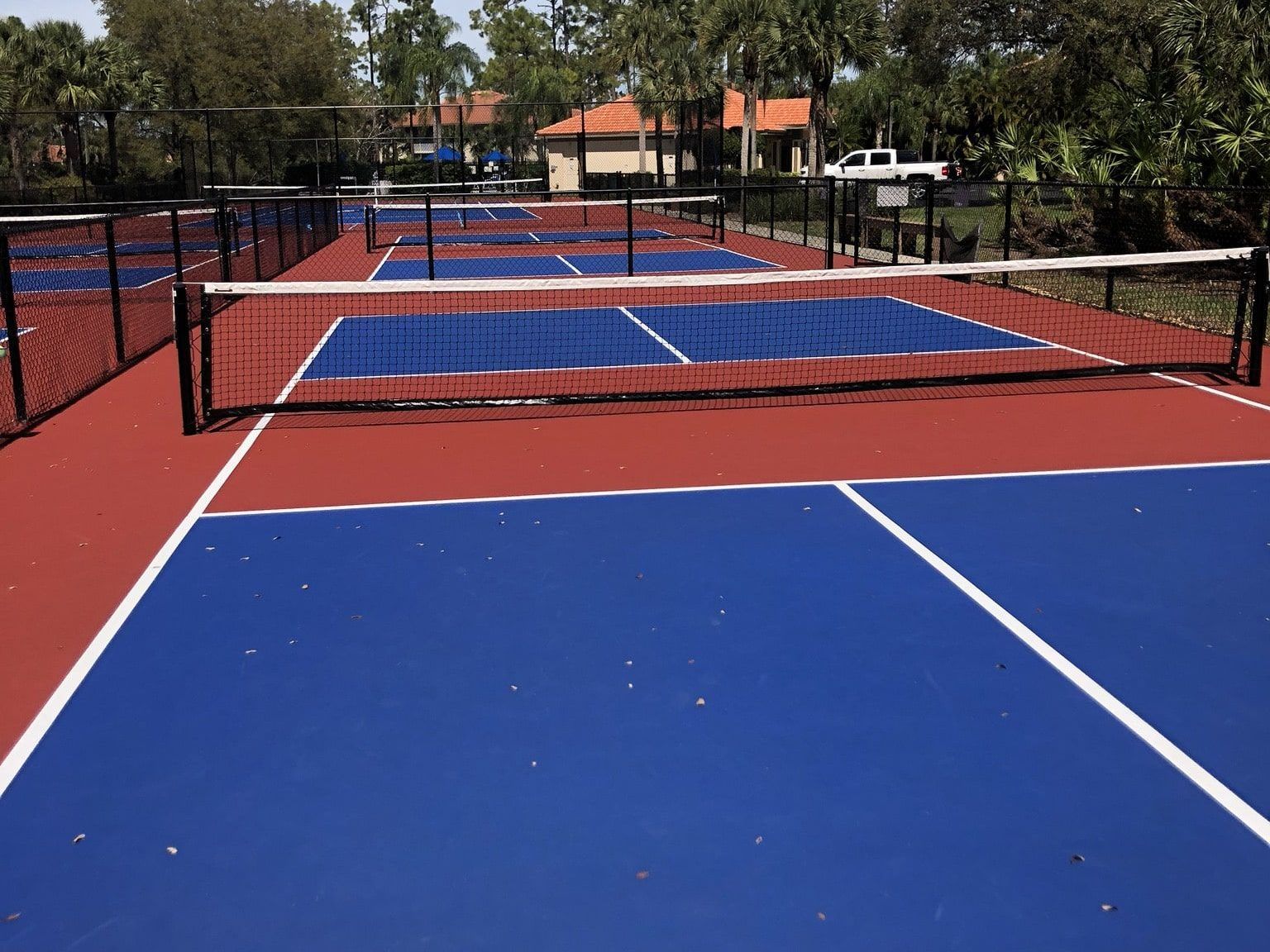
A tennis court with blue and red courts and a fence

When it comes to pickleball, the proper court surface can make or break your game. Whether you're a casual player or someone planning to build a pickleball court, understanding the options for court surfaces is crucial. From the way the ball bounces to how safe the surface is for your joints, every aspect matters.

Let’s dive into everything you need to know about pickleball court surfaces and how to pick the one that’s right for you.

Popular Pickleball Court Surfaces

Choosing the right surface for your pickleball court is essential for optimal gameplay, safety, and maintenance. Here are the top four surfaces widely used in pickleball courts.

Concrete Courts

Concrete is the backbone of outdoor pickleball courts, offering unmatched durability and consistent playability. This surface provides a steady, predictable ball bounce, making it a favorite for players who value precision. Maintenance is relatively low, as concrete courts don’t require frequent repairs—though cracks can develop over time due to weather conditions or heavy use.

  • Key Benefits:
  1. Long-lasting durability, even in high-traffic areas.
  2. Minimal maintenance compared to other surfaces.
  3. Consistent and reliable ball bounce.

Concrete courts are not particularly forgiving on players’ joints. The lack of shock absorption can make extended games physically taxing, especially for older players or those with pre-existing joint issues. If longevity and minimal upkeep are your main concerns, a concrete court is an excellent investment.

Asphalt Courts

For those working with tighter budgets, asphalt courts are a great option. They share many similarities with concrete, such as providing a consistent surface for play, but are more budget-friendly to install. Asphalt is slightly more forgiving than concrete, which can help reduce the strain on players during games.

That said, asphalt requires regular maintenance. Without proper sealing, it’s prone to cracks and other damage, particularly in areas with extreme temperature fluctuations. Still, with diligent upkeep, an asphalt court can serve recreational players well for years.

Asphalt courts are especially popular in:

  • Community parks: Affordable and durable for public use.
  • Recreational facilities: Cost-effective for multi-use spaces.

Acrylic Surfaces

Acrylic surfaces elevate the pickleball experience by combining aesthetics with performance. These coatings are often applied over concrete or asphalt and offer a smooth, vibrant surface that enhances both gameplay and court appearance. Players appreciate the grip and consistent ball bounce that acrylic provides, making it suitable for all skill levels.

What sets acrylic surfaces apart is their customizability. You can choose colors that fit your court’s design or adjust the surface texture to modify the pace of play. Regular maintenance, such as recoating every few years, is necessary to preserve its pristine condition.

  • Ideal For:
  1. Players who value professional-grade surfaces.
  2. Facilities looking to add visual appeal with vibrant, customizable designs.
  3. Courts that require consistent performance for competitive play.

Cushioned Acrylic

Cushioned acrylic courts take everything great about standard acrylic and add a layer of shock-absorbing material. This extra cushioning makes these courts ideal for players who value comfort, especially those who play frequently or have joint concerns. The surface still delivers consistent gameplay, with the added bonus of reducing physical strain.

It is important to note that the enhanced comfort and performance cushioned acrylic brings may involve added complexity during installation and maintenance. Repairs can also be challenging due to the multi-layer design. Despite these factors, cushioned acrylic remains a premium choice for those prioritizing player safety and a luxurious playing experience.

  • Best Applications:
  1. High-end facilities focused on player safety and comfort.
  2. Residential courts for frequent use by families and older players.
  3. Tournament-grade courts that combine playability with joint-friendly features.

Choosing the Best Surface for Your Needs

The right pickleball court surface depends on your intended use, player demographics, and budget. Each factor plays a critical role in determining the most suitable material for your court. Let’s delve deeper into these considerations.

Evaluating Usage and Player Demographics

To choose the best surface, consider how the court will be used and who will be playing on it. Understanding who will primarily use the court helps determine whether comfort, cost, or performance should be the main focus. This helps in aligning surface properties with the needs of the players.

Casual Play vs. Competitive Play

Recreational courts often prioritize affordability and durability. Surfaces like asphalt or standard acrylic are sufficient for casual games, providing a decent playing experience without significant cost. Competitive play demands surfaces with consistent ball bounce, grip, and aesthetic appeal. Professional-grade acrylic or cushioned acrylic surfaces are best suited for these scenarios.

Age and Physical Needs of Players

Younger players or mixed-age groups might not require special considerations beyond durability, making concrete or asphalt viable options.

For senior players or individuals prone to joint discomfort, cushioned acrylic surfaces or modular tiles are more suitable as they offer shock absorption and reduce strain on joints.

Budget Considerations for Court Construction

Budgeting for a pickleball court involves more than just the initial installation cost. Long-term maintenance and replacement expenses should also factor into your decision.

Initial Costs

Surfaces like asphalt and concrete are affordable upfront, making them ideal for public courts or personal use with limited budgets. Premium surfaces such as cushioned acrylic or modular tiles involve higher initial investments but offer greater comfort and aesthetic appeal.

Long-Term Maintenance

Maintenance needs can vary greatly:

  • Asphalt requires regular sealing to prevent cracks.
  • Acrylic surfaces need recoating every few years to maintain vibrancy and functionality.
  • Modular tiles are highly durable and require minimal upkeep, as individual tiles can be replaced rather than repairing the entire court.

While a low-cost surface may seem appealing at first, frequent maintenance or repairs can increase the overall expense over time. Higher initial investments in premium materials often result in lower lifetime costs, making them more economical in the long run.

Value of Professional Construction Services

When planning your court, it’s also essential to consider professional services for construction. Companies like Mor Sports Group specialize in building high-quality pickleball courts designed for performance and longevity. Their expertise ensures precision in design, premium materials, and tailored features to meet your specific needs.

Working with professionals provides long-term value by ensuring your court is constructed to last, reducing the likelihood of frequent repairs or premature wear. Quality construction enhances both the playing experience and the overall durability of the court, making it a wise investment. Opting for professional services means you’re paying for reliability and excellence, resulting in a court that stands the test of time.


We have written another guide on Top Trends in Pickleball court construction, please do check it out!

Professional vs. Recreational Court

The intended purpose of the court significantly impacts the type of surface you should select.

  • Recreational Courts: Recreational courts prioritize durability and ease of maintenance. Asphalt and concrete are ideal for such applications as they can withstand heavy traffic and weather exposure. These surfaces are commonly found in public parks, schools, and community facilities where affordability and long-lasting materials are essential.
  • Professional or High-End Courts: Courts designed for tournaments or professional-level play require premium surfaces like acrylic or cushioned acrylic. These surfaces enhance playability with consistent ball bounce and excellent grip, ensuring the highest standards for competitive games.
    Additionally, cushioned surfaces prioritize player safety and comfort, reducing fatigue and minimizing joint strain, which can be especially beneficial during extended matches or training sessions.

Indoor vs. Outdoor Pickleball Courts

Where your court is located plays a significant role in determining the best surface. Indoor and outdoor courts come with their own set of challenges and considerations.

Best Surfaces for Indoor Play

Indoor courts often use concrete or asphalt bases with an acrylic or cushioned layer on top. These surfaces provide excellent traction and playability while keeping maintenance needs low. Plus, indoor settings mean you don’t have to worry about weather-related wear and tear.

Outdoor Surface Options for Durability and Weather Resistance

For outdoor courts, durability is key. Surfaces like concrete, asphalt, and modular tiles are designed to withstand the elements. UV resistance and proper drainage are also essential features to consider.

Conclusion

Choosing the right surface for your pickleball court is a big decision, but it doesn’t have to be overwhelming. By considering factors like gameplay, safety, maintenance, and budget, you can find a surface that meets your needs and enhances your pickleball experience. Whether you’re a casual player or an enthusiast, the perfect court is out there waiting for you.

Man mowing the grass on a soccer field in a stadium with purple seating.
By Mor Sports Group March 8, 2026
Maximize synthetic grass field safety with Mor-Sports' best practices. Learn essential guidelines for player injury prevention, field maintenance, and athletic regulations.
Pickleball paddle and ball on a blue court next to a net.
By Mor Sports Group February 27, 2026
Complete guide to maintaining pickleball courts. Learn essential care routines, seasonal maintenance, common problems, and professional tips to keep your courts in championship condition year-round.
Yellow pickleball and black paddle on a blue court next to a white line.
By Mor Sports Group February 22, 2026
Learn the key warning signs that indicate your pickleball court needs resurfacing. Expert guidance on cracks, fading, texture loss, and when to call professionals for court restoration.
By Mor Sports Group February 21, 2026
Extend your artificial turf's life with Mor-Sports' expert maintenance guide. Learn daily, weekly, and annual care tips for lasting performance & safety.
Aerial view of a soccer field with a running track, surrounded by houses and trees.
By Mor Sports Group February 8, 2026
Explore the surging demand for eco-friendly sports surfaces and key industry trends for 2026. Discover sustainable materials, green building innovations, and why recycled turf is critical for modern sports facilities.
By Mor Sports Group February 4, 2026
Learn essential summer maintenance tips to protect your tennis court from heat damage, improve player safety, and extend your court's lifespan during the hottest months.
Close-up of small gray and tan gravel rocks.
By Mor Sports Group February 2, 2026
Discover why crushed stone is the top choice for bocce ball courts. Learn about superior drainage, consistent surface quality, durability, low maintenance, and cost advantages for your court project.
Black pickleball paddle and yellow ball on a blue court next to a white line.
February 1, 2026
Discover the best surface paints for pickleball courts. Learn key features, application tips, and maintenance advice.
Basketball hoop with weathered backboard and net, set against blurry trees.
By Mor Sports Group January 27, 2026
Learn how heat, cold, rain, and UV rays affect outdoor basketball court materials. Discover which surfaces work best for your climate and get expert maintenance tips to extend your court's lifespan.
Tennis ball on a white line on a blue court, with blurred lights in the background.
By Mor Sports Group January 23, 2026
Discover the key differences between artificial turf and natural grass for padel courts. Learn about costs, maintenance, playability, and which surface is right for your climate and usage needs.