Signs Your Pickleball Court Needs Resurfacing
February 22, 2026
Your pickleball court is the heart of your facility—where players compete, communities gather, and memories are made. But like any high-performance sports surface, pickleball courts don't last forever. Over time, even the most well-maintained courts show signs of wear that impact both playability and safety. Knowing when your court has crossed the line from needing routine maintenance to requiring professional resurfacing is crucial for facility managers, recreation directors, and property owners who want to provide the best possible playing experience.
Resurfacing a pickleball court is a significant investment, but it's also an investment that pays dividends through improved safety, enhanced playability, extended court life, and increased player satisfaction. The challenge is determining the right time to resurface—act too early and you're spending money unnecessarily, wait too long and you risk player injuries, accelerated deterioration, and more expensive repairs. Understanding the warning signs that indicate resurfacing is needed helps you make informed decisions about your court's care and budget appropriately for this important maintenance milestone.
At Mor Sports Group, we've resurfaced hundreds of pickleball courts and helped facility managers navigate the decision-making process around when resurfacing makes sense. In this comprehensive guide, we'll walk you through the telltale signs that your pickleball court needs resurfacing, explain what each symptom means, and help you understand the resurfacing process so you can make the best decision for your facility and players.
Understanding Court Resurfacing: What It Is and Why It Matters
Before diving into the specific signs that indicate resurfacing is needed, it's helpful to understand what resurfacing actually involves and why it's different from routine repairs. Court resurfacing is a comprehensive restoration process that involves applying new acrylic coating layers to the entire court surface, restoring the protective and performance characteristics that have degraded over time. According to the American Sports Builders Association, proper resurfacing can extend a court's life significantly and restore it to like-new condition.
A typical resurfacing project includes several key steps: thorough cleaning and preparation of the existing surface to ensure proper adhesion, crack repair and substrate preparation to address any structural issues, application of acrylic resurfacer to fill small imperfections and create a uniform base, installation of cushion layers if desired for enhanced shock absorption and player comfort, application of color coating layers in your chosen colors, and line painting to create crisp, clear court markings. The entire process typically takes 3-7 days depending on weather conditions, court size, and the specific coating system being used. Unlike simple repairs that address isolated problems, resurfacing restores the entire playing surface to optimal condition.

The lifespan of a pickleball court surface varies based on several factors including climate and weather exposure (UV radiation, freeze-thaw cycles, extreme temperatures), usage intensity and frequency (number of daily play hours, tournament use, multi-sport applications), quality of the original installation (substrate preparation, coating products used, application technique), and maintenance quality (cleaning routines, crack repair, drainage management). Most well-maintained acrylic pickleball court surfaces need resurfacing every 4-7 years, though this timeline can be shorter in harsh climates or with heavy use, or longer with exceptional maintenance and moderate use. The United States Tennis Association
provides detailed guidance on court surface maintenance that applies equally to pickleball courts, as they share similar surface systems.
Understanding the investment required helps with planning. Professional pickleball court resurfacing typically costs between $3,000 and $8,000 per court depending on court condition, surface area, coating system selected, geographic location and labor costs, and additional services needed like crack repair or drainage improvements. While this represents a significant expense, it's far less than the $25,000-$50,000 cost of completely reconstructing a court that has deteriorated due to deferred maintenance. Timely resurfacing protects your larger investment in the court infrastructure.
Sign #1: Visible Cracks Throughout the Surface
Cracks are perhaps the most obvious and concerning sign that your pickleball court needs attention. While a few hairline cracks can be addressed with spot repairs, extensive cracking throughout the court surface typically indicates that resurfacing is necessary. Not all cracks are created equal, and understanding the difference between manageable cracks and those that signal the need for resurfacing is crucial for making the right maintenance decision.
Hairline cracks less than 1/8 inch wide that appear in isolated areas are generally normal aging and can be monitored or filled as part of routine maintenance. However, when you observe multiple cracks throughout the playing surface rather than in isolated areas, cracks wider than 1/4 inch that continue to grow despite repair attempts, a network or pattern of interconnected cracks creating a "spiderweb" appearance, or cracks that have been repeatedly repaired but continue to reopen, these are clear indicators that the coating system has reached the end of its effective life and comprehensive resurfacing is needed rather than continued spot repairs.
Why extensive cracking signals the need for resurfacing comes down to understanding what causes these cracks. The acrylic coating system on your pickleball court acts as a protective barrier between the substrate (concrete or asphalt base) and the environment. Over time, UV exposure breaks down acrylic binders, reducing flexibility, temperature cycles cause expansion and contraction that stresses aged coatings, moisture infiltration can occur through small cracks and lift coating layers from below, and substrate movement translates through thin or compromised coatings. When the coating system loses its integrity, individual crack repairs become a temporary Band-Aid solution—the underlying problem is that the entire coating system can no longer perform its protective function effectively.

The risks of delaying resurfacing when extensive cracking is present are significant. Cracks allow water to penetrate beneath the surface, leading to substrate damage, freeze-thaw damage in cold climates can cause substrate heaving and even more severe structural problems, cracks create trip hazards that increase injury liability, and the longer you wait, the more extensive (and expensive) repairs become necessary. If your court shows extensive cracking patterns, it's time to contact Mor Sports Group
for a professional assessment. Our team can evaluate whether strategic repairs can buy you another season or two, or if immediate resurfacing is necessary to prevent more serious damage.
Sign #2: Faded Colors and Poor Line Visibility
Color fading might seem like a purely cosmetic issue, but it actually indicates important information about your court surface's condition and can significantly impact gameplay quality. When the vibrant blues, greens, or other colors of your pickleball court have faded to pale, washed-out versions of their original appearance, it's a sign that the protective coating layers have been degraded by UV exposure and weathering. More importantly, when court lines become difficult to see clearly, it affects fair play and can create disputes during competitive matches.
Evaluate your court's color condition by looking for uniform fading across the entire playing surface indicating general UV degradation, uneven fading with certain areas more deteriorated than others suggesting drainage issues or concentrated wear patterns, court lines that blend into the playing surface color rather than providing crisp, clear contrast, and faded areas that feel smoother or more worn than less-faded sections. If players are squinting to see the kitchen line or service boxes, or if you're receiving complaints about line visibility, these are practical indicators that resurfacing should be considered.
Why fading indicates coating system failure relates to how acrylic court coatings work. The color pigments are suspended in acrylic binders that protect them from UV radiation and weather exposure. When coatings fade significantly, it means the protective binder system has broken down, leaving pigments exposed to direct UV damage, reducing the coating's water resistance and allowing moisture to penetrate more easily, diminishing the coating's ability to protect the substrate below, and indicating that the texture sand is also wearing away, which affects traction and ball bounce. Severe fading is essentially a visual warning that your court's protective armor has been compromised.
Beyond aesthetics and playability, faded surfaces present practical problems. Line visibility is crucial for fair play—when players can't clearly see boundary lines, service areas, or the non-volley zone, it leads to disputes, interrupts play, and creates frustration, particularly in competitive or tournament settings. Additionally, faded courts can create perception problems where potential players or members judge facility quality based on court appearance, reducing utilization or membership appeal. While you might consider simply repainting lines as a cost-saving measure, this is rarely effective on severely faded courts because new paint applied over degraded coatings won't adhere properly, the color mismatch between new lines and faded court surface is often jarring and unattractive, and you're essentially applying a cosmetic fix to a surface that needs comprehensive restoration. Professional resurfacing addresses both the visual and functional problems simultaneously.
Sign #3: Surface Texture Loss and Slippery Conditions
One of the most critical yet often overlooked signs that resurfacing is needed is the loss of surface texture. Proper texture provides the traction players need for quick movements, sudden stops, and changes of direction that are fundamental to pickleball. When surface texture wears away, courts become slippery and dangerous, significantly increasing injury risk. This sign is particularly important because it directly impacts player safety rather than just aesthetics or playability.
Assess your court's texture condition by conducting a simple hand test: run your hand across the court surface in different areas—properly textured courts should feel slightly rough or gritty, while worn surfaces feel smooth or even slick. Look for shiny patches in high-traffic areas like service boxes, the kitchen, and behind the baseline, indicating that texture sand has been worn completely away. Notice if players complain about slipping, particularly in damp conditions or during quick lateral movements. Test traction in different weather conditions—texture loss becomes most apparent when the court is slightly damp or dewy. If your court feels smooth to the touch or shows glossy, worn patches in playing areas, it's time to seriously consider resurfacing.

Understanding why texture loss matters requires knowing how court surfaces provide traction. Acrylic sport surfaces include silica sand mixed into the coating layers to create a textured finish. This texture serves multiple critical functions: providing friction for player traction and preventing slips, creating consistent ball bounce characteristics by maintaining surface uniformity, and protecting the underlying coating layers from abrasion by providing a sacrificial wear layer. As thousands of hours of play wear down the texture, the silica sand particles are gradually worn away, the acrylic coating beneath becomes exposed to direct wear, and the smooth acrylic surface offers much less traction than properly textured surfaces. The result is a court that looks worn in high-traffic areas and feels slippery, particularly in damp conditions.
The safety implications of texture loss cannot be overstated. According to research on sports surface safety, inadequate surface traction is a significant contributing factor to lower extremity injuries including ankle sprains from slipping during lateral movements, knee injuries when players can't decelerate or change direction properly, and fall-related injuries when players lose footing during play. The liability risks associated with maintaining a slippery court are substantial—if a player is injured due to inadequate court traction, facility owners may face legal exposure, particularly if they were aware of the poor surface condition. From both a player safety perspective and a risk management standpoint, texture loss is one of the most compelling reasons to proceed with resurfacing promptly.
Sign #4: Bubbling, Peeling, or Delamination
When you see bubbles forming under the court surface, coating layers peeling away, or areas where the surface can be literally peeled up like old paint, you're witnessing delamination—one of the most serious surface failures that can occur on a pickleball court. Delamination indicates that the bond between coating layers, or between the coating system and the substrate, has failed. This is not something that can be effectively addressed with spot repairs; it requires complete resurfacing to resolve properly.
Delamination manifests in several distinct ways: bubbles or blisters in the court surface that may be small (quarter-sized) or large (basketball-sized), edges lifting around cracks or court perimeters where coating can be peeled away from the substrate, soft or spongy spots that feel different when you walk on them compared to surrounding areas, hollow sounds when you tap on certain areas indicating separation between layers, and loose or flaking coating pieces that can be picked up off the court surface. If you're observing any of these symptoms, the integrity of your court surface has been fundamentally compromised.
What causes delamination? Several factors can lead to coating system failure, with moisture being the primary culprit. Water that penetrates through cracks or porous areas can become trapped beneath the coating, and temperature changes cause this trapped moisture to expand and contract, creating pressure that lifts the coating layers. Poor surface preparation during the original installation or previous resurfacing can also cause issues—if the substrate wasn't properly cleaned or primed, coatings may not adhere correctly from the beginning. Applying incompatible coating products in layers is another cause; mixing products from different manufacturers or using coatings not designed to work together can result in poor inter-coat adhesion. Finally, substrate movement or settling can stress coating layers beyond their flexibility limits, causing them to separate rather than move with the substrate.

Why delamination requires full resurfacing rather than patch repairs comes down to the nature of the failure. When coating layers separate from the substrate or from each other, it indicates system-wide adhesion problems rather than localized damage. Cutting out and patching delaminated areas might seem like a solution, but it rarely works long-term because the conditions that caused delamination in one area (moisture infiltration, poor adhesion, substrate issues) typically affect larger areas even if they haven't visibly failed yet. Patch repairs on delaminated surfaces often fail quickly as the surrounding areas continue to separate, and patched areas are almost always visible and can affect ball bounce differently than the surrounding surface. Professional resurfacing addresses delamination by removing failed coating layers, properly preparing the substrate, addressing any moisture or drainage issues, and applying a complete new coating system with proper products and techniques. The team at Mor Sports Group
has extensive experience diagnosing and resolving delamination issues—we can determine whether substrate repairs are needed before resurfacing and ensure the new surface adheres properly for long-lasting results.
Sign #5: Standing Water and Drainage Problems
If puddles form on your pickleball court after rain and take more than a couple of hours to drain, or if certain areas remain wet long after the rest of the court has dried, you have drainage problems that may require resurfacing to fully resolve. While drainage issues might initially seem like a substrate problem rather than a surface coating issue, they're often interconnected, and resurfacing can address many common drainage concerns while also protecting your court from water-related damage.
Evaluate your court's drainage by observing water accumulation patterns after rain or irrigation—note where puddles form and how long they persist, check if birdbaths (depressions that hold water) have developed in areas that used to drain properly, notice if certain areas feel damp or remain dark longer than surrounding surfaces, and monitor whether drainage problems have worsened over time. If players are frequently encountering standing water on your courts, or if you're regularly canceling sessions due to slow drainage, it's time to investigate whether resurfacing with proper slope correction can resolve the issue.
Understanding the relationship between drainage and resurfacing is important. Many drainage problems on courts develop gradually over time due to substrate settling creating low spots where water accumulates, coating system deterioration causing the surface to hold water rather than shedding it, and crack development that disrupts the designed drainage paths. During professional resurfacing, these issues can be addressed through strategic product application. Acrylic resurfacer products can be used to build up low spots and restore proper slope, specialized self-leveling products can fill depressions and create consistent drainage patterns, and proper coating thickness and texture help water sheet off the surface rather than ponding. While resurfacing can't fix major substrate failures or completely inadequate drainage system design, it can resolve the minor settling and surface irregularities that cause many common drainage issues.
The risks of ignoring drainage problems extend far beyond inconvenience. Standing water accelerates coating system breakdown by keeping the surface constantly wet, provides pathways for water to infiltrate beneath coatings leading to delamination, creates freeze-thaw damage in cold climates as trapped water freezes and expands, promotes mold and algae growth that can make surfaces slippery and unsightly, and prevents court use for extended periods after even moderate rainfall. If your court has developed drainage issues, addressing them during resurfacing is far more cost-effective than waiting until water damage has compromised the substrate, which would require complete reconstruction. Professional assessment can determine whether resurfacing with slope correction will resolve your drainage concerns or if more extensive substrate work is needed first.
Sign #6: Age and Usage Milestones
Sometimes the clearest sign that resurfacing is needed isn't a specific surface defect but simply the passage of time combined with heavy use. Even well-maintained pickleball courts have a finite service life for their acrylic coating systems, and reaching certain age and usage milestones indicates that resurfacing should be planned even if the surface doesn't yet show dramatic failure symptoms. Proactive resurfacing based on age and usage patterns prevents sudden failures and allows you to schedule the work during optimal times rather than responding to emergencies.
Consider resurfacing based on age and usage if your court is 5-7 years old and has seen moderate to heavy use throughout its life, the court is 7-10 years old even with light to moderate use patterns, you've been conducting increasing amounts of spot repairs year over year, the court receives exceptionally heavy use (8+ hours daily) and is approaching 4-5 years old, or the court was installed with budget coating systems that have shorter expected lifespans. The guidance from the Sports Surfaces Association
suggests that preventive resurfacing before catastrophic failure occurs is always more cost-effective than waiting for complete surface breakdown.

Why age matters even when the surface looks acceptable relates to the cumulative effects of weathering that aren't always visible to the naked eye. UV radiation gradually weakens acrylic binders throughout the coating system, reducing flexibility and water resistance even before visible fading occurs. Temperature cycles cause expansion and contraction that slowly stresses coating layers, creating microscopic cracks that will eventually become visible failures. Moisture exposure degrades adhesion between layers and between coatings and substrate, setting the stage for delamination. The general wear from players gradually removes texture and thins the protective coating layers. By the time these processes produce obvious surface failures, significant deterioration has already occurred, and the cost-effective window for resurfacing may be closing as substrate damage becomes more likely.
The advantages of proactive resurfacing based on age rather than waiting for failure include scheduling flexibility—you can choose optimal weather windows and off-peak times rather than facing emergency repairs during busy seasons, budget predictability as you can plan and budget for resurfacing rather than facing unexpected emergency expenses, better outcomes since resurfacing before substrate damage occurs produces superior long-term results, and extended total court life because protecting the substrate through timely resurfacing maximizes your overall court investment. If your court is approaching the typical resurfacing age range and you're starting to see minor signs of wear, contact Mor Sports Group for a comprehensive court assessment. We can evaluate your current surface condition, estimate remaining service life, and help you develop a resurfacing timeline that works for your facility and budget.
The Resurfacing Decision: Repair vs. Replace
Once you've identified signs that your pickleball court needs attention, the next question is whether targeted repairs can extend the surface life or if complete resurfacing is necessary. This decision has significant budget implications, so understanding when repairs are appropriate versus when resurfacing is the better investment is crucial for facility managers and owners.
Repairs may be appropriate when cracks are limited to small, isolated areas rather than distributed throughout the court, fading is uneven and limited to certain high-traffic zones rather than uniform across the surface, drainage issues are minor and caused by debris or temporary blockages rather than structural problems, the court is relatively young (2-4 years old) and showing only early wear in high-use areas, and your budget absolutely cannot accommodate resurfacing in the current fiscal year but the court remains safe for play. Strategic repairs in these circumstances can buy you another 1-2 years before resurfacing becomes necessary, allowing you to budget appropriately.
Resurfacing becomes the better choice when signs appear throughout the court rather than in isolated areas, the surface is 5+ years old regardless of appearance, you're conducting repeated repairs to the same areas indicating systemic failure, multiple signs from this article are present simultaneously (cracks plus fading plus texture loss), players are complaining about playability or safety issues, or repair costs are starting to approach 30-40% of the resurfacing cost. At a certain point, continuing to invest in repairs becomes throwing good money after bad—the surface has reached the end of its service life and requires comprehensive restoration.

The long-term cost analysis often favors resurfacing over continued repairs. Consider this scenario: spending $500-800 per year on escalating crack repairs for 3-4 years totals $2,000-3,200, while comprehensive resurfacing costs $3,000-5,000 but completely restores the surface and resets the maintenance clock. The repaired court continues deteriorating and eventually requires resurfacing anyway, while the resurfaced court provides 5-7 years of like-new performance with only routine maintenance needed. When you factor in the avoided costs of accelerated substrate damage, reduced player satisfaction, and potential liability from safety issues, resurfacing becomes even more cost-effective.
Getting professional input is invaluable for making this decision. The experienced team at Mor Sports Group
provides complimentary court assessments where we evaluate your current surface condition, identify all present issues and developing concerns, provide honest recommendations about repair versus resurfacing timing, and offer detailed cost estimates for both approaches so you can make informed decisions. We understand that budget constraints are real, and we work with facility managers to develop solutions that protect court investment while fitting within financial parameters. Sometimes that means strategic repairs to get through one more season, and sometimes it means moving forward with resurfacing before problems escalate. Our goal is ensuring you have the information needed to make the best decision for your facility.
What to Expect During Resurfacing
Understanding the resurfacing process helps you prepare your facility, communicate with players about court closures, and know what to expect during the project. A professional resurfacing project typically follows a systematic process designed to deliver superior, long-lasting results.
The typical timeline for pickleball court resurfacing spans 5-7 days for a standard court, though this can vary based on weather conditions (rain delays projects), court size (larger courts require more time), extent of repairs needed (substrate work adds time), and curing requirements (some products need specific temperature and humidity conditions). Work proceeds through distinct phases beginning with surface preparation where existing coating is pressure-washed, all cracks and damage are identified, and the surface is thoroughly cleaned. Next comes crack repair and substrate work with flexible crack filler applied to all cracks, patches applied to damaged areas, and any necessary concrete or asphalt repairs completed. Then acrylic resurfacer is applied in one or more coats to fill small imperfections and create a uniform base for subsequent layers. Optional cushion layers may be applied if enhanced shock absorption is desired. Color coatings follow with typically two coats of colored acrylic applied to create the playing surface appearance. Finally, line painting occurs where court lines are measured, marked, and painted with precision to match official pickleball court specifications.
Weather plays a crucial role in resurfacing success. Ideal conditions include temperatures between 50°F and 90°F, low humidity (typically below 85%), no rain in the forecast for at least 24-48 hours after each application, and moderate wind (strong winds can blow debris onto wet coatings). This is why many facilities schedule resurfacing for spring or fall when weather conditions are most stable. Summer can work but requires working early in the day before extreme heat, while winter resurfacing is only possible in warm climates.
Preparing your facility for resurfacing helps the project proceed smoothly. Steps include scheduling the project during low-use periods if possible to minimize impact on players, communicating closure dates clearly to members and regular users, removing all equipment, nets, benches, and other items from and around the courts, ensuring contractor access to water and electrical outlets if needed, and planning alternative playing arrangements if possible for regular players. The contractor will handle protecting surrounding areas from overspray, but clearing the court area helps them work efficiently. Most courts are playable within 3-5 days after the final coating application, though full cure strength develops over 2-3 weeks. During the initial break-in period, avoid dragging heavy equipment across the surface and expect that the surface may feel slightly different until it's fully cured.
Conclusion: Investing in Your Court's Future
Recognizing the signs that your pickleball court needs resurfacing allows you to act proactively rather than reactively, protecting both your investment and your players. Whether you're seeing extensive cracking, faded colors, texture loss, delamination, drainage problems, or simply know your court has reached the age where resurfacing is due, taking action now prevents more serious problems and more expensive repairs down the road. A well-timed resurfacing project restores your court to like-new condition, ensures player safety, enhances the playing experience, extends the overall life of your court infrastructure, and demonstrates your commitment to facility quality.
The decision to resurface shouldn't be made lightly, but neither should it be deferred when the signs are clear. Courts that receive timely resurfacing every 5-7 years can provide decades of excellent service with minimal major repairs. Courts where resurfacing is repeatedly deferred often develop substrate damage that requires much more expensive reconstruction. The difference in approach can mean the difference between a $4,000 resurfacing project and a $40,000 reconstruction project.
If you're seeing any of the warning signs discussed in this article, we encourage you to take the next step. Contact Mor Sports Group
today to schedule a complimentary court assessment. Our experienced team will evaluate your court's condition, provide honest recommendations about timing and scope of work needed, deliver a detailed cost estimate with no obligation, and answer all your questions about the resurfacing process. We've resurfaced hundreds of pickleball courts throughout the region, and we bring that experience to every project we undertake. Whether your courts need immediate attention or you're planning ahead for future resurfacing, we're here to help you make informed decisions and deliver superior results.
Your pickleball courts represent more than just a playing surface—they're where your community comes together, where players challenge themselves, and where lasting memories are created. They deserve the care and attention that keeps them safe, beautiful, and high-performing for years to come. Don't wait until minor issues become major problems. Reach out to Mor Sports Group today and let us help you protect your investment and provide the best possible experience for your players.
Recent Posts
By Mor-Sports Group
•
September 3, 2026
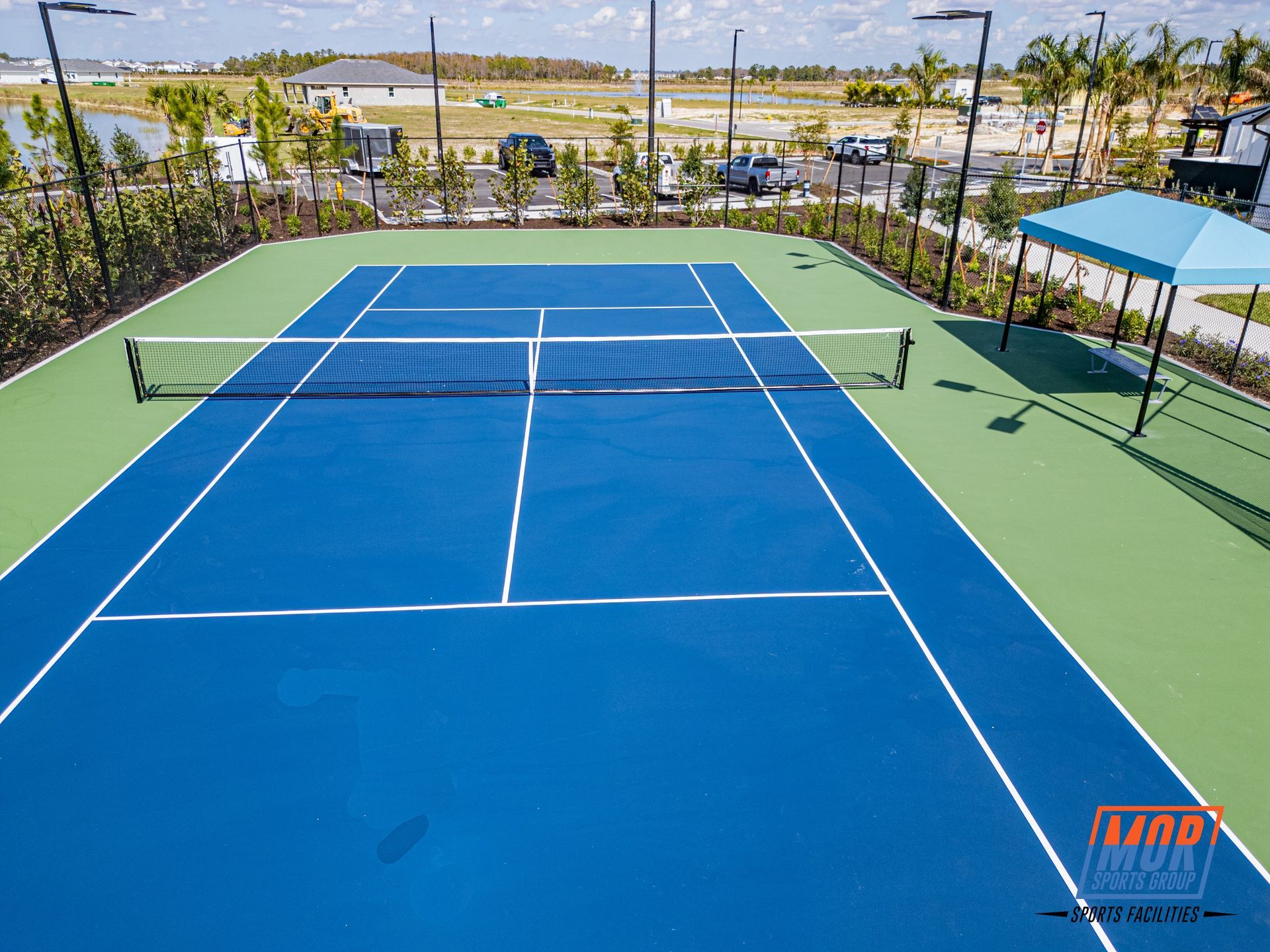
Mor-Sports Group won a 2026 ASBA Facility Award in the Tennis and Pickleball Facility category for the courts we built at Regency at Babcock Ranch in Punta Gorda, Florida. Here is how the project was built.
By Mor-Sports Group
•
September 2, 2026
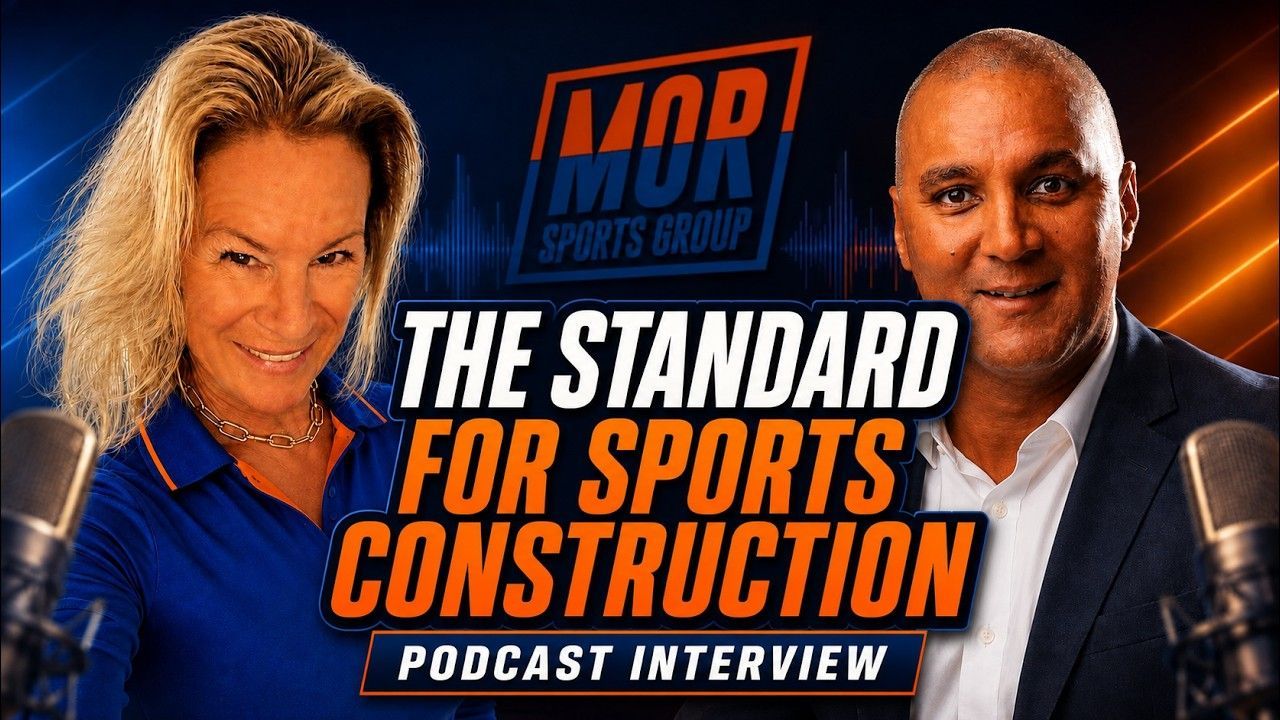
Nick Blackwood and Leslie LoGelfo joined the Move Swiftly podcast to talk self-performed court construction, the rise of padel, cushion surfaces and what communities should ask before they build.
May 29, 2026
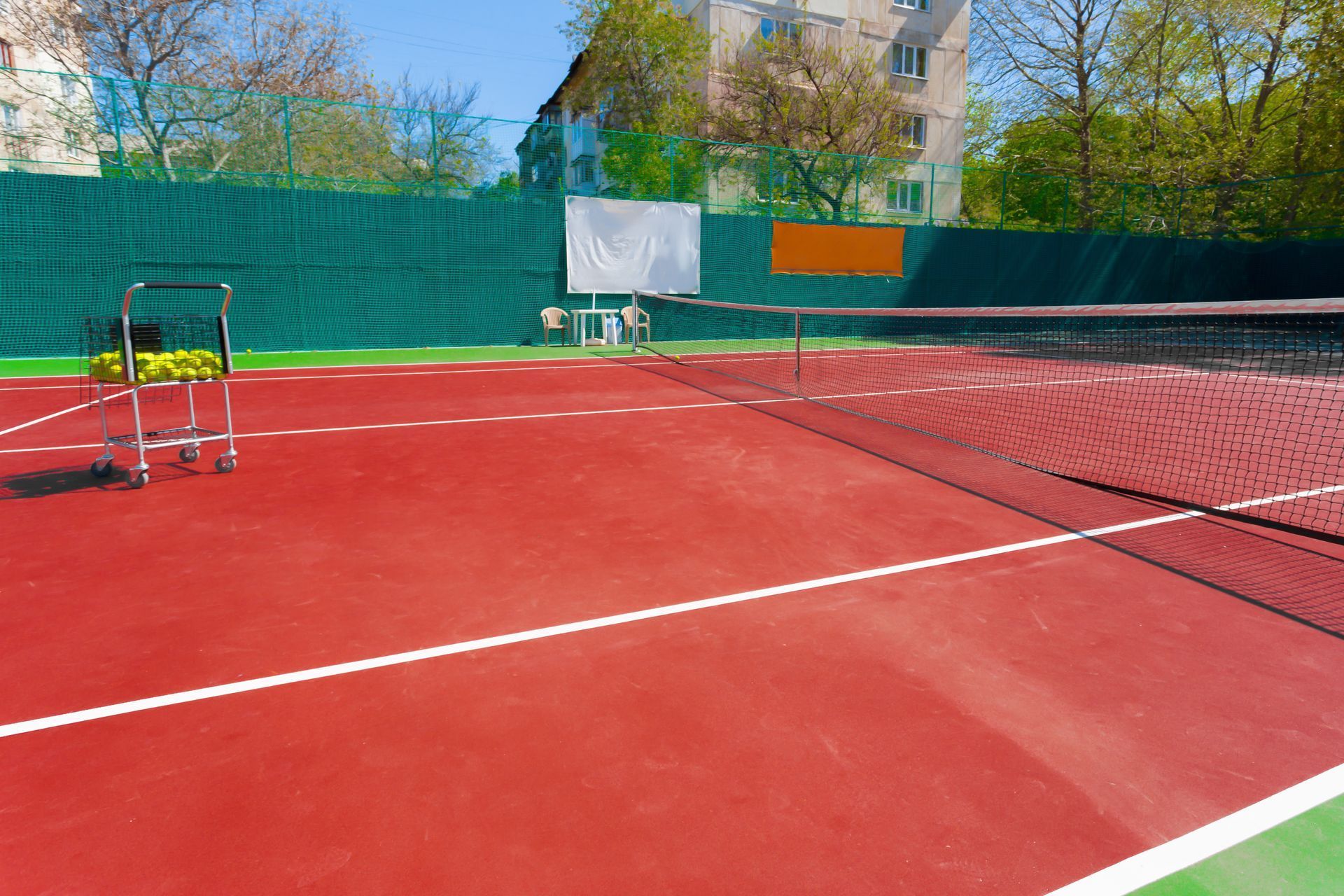
Building public pickleball or tennis courts? ADA pickleball court compliance and ADA tennis court requirements are non-negotiable for parks departments. Mor-Sports Group is a licensed contractor and ASBA member serving Florida, Alabama, and beyond, with deep experience designing ADA-compliant public sports facilities.

May 15, 2026
Worried about HOA tennis court liability in Florida? This guide covers HOA pickleball insurance in Florida, waivers, posted rules, surface-related injury claims, and how proper court construction reduces risk. Mor-Sports Group is a licensed Florida contractor with 35+ years of experience building safer courts. Contact
May 1, 2026
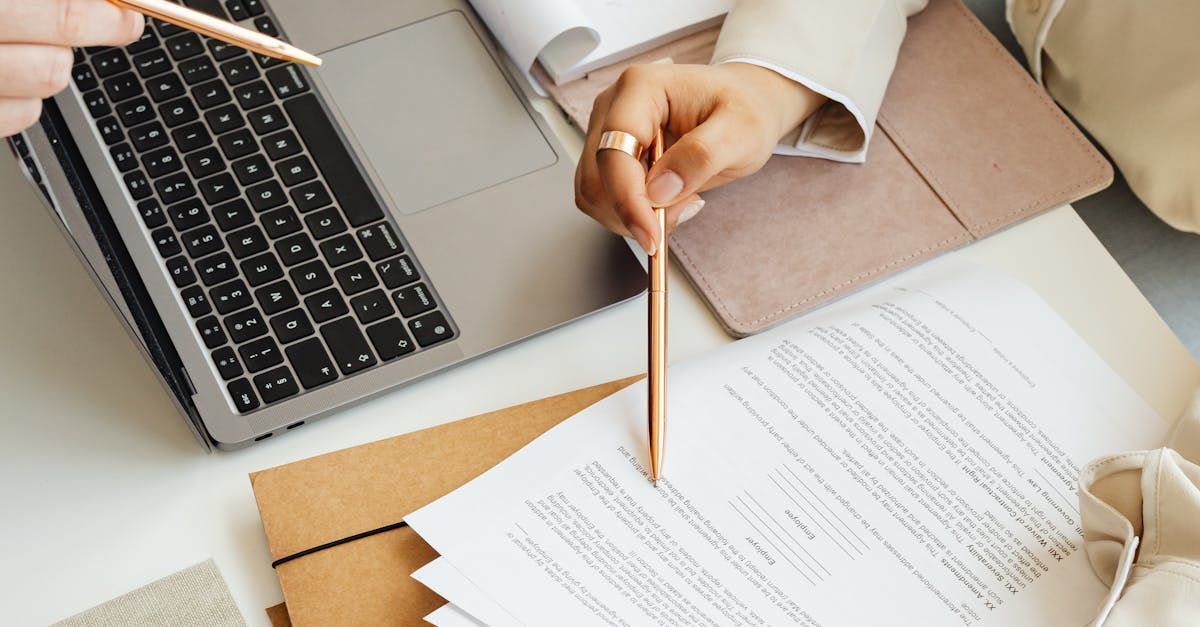
Writing athletic court bid spec for your HOA or condo board? Learn exactly what to include in an HOA sports facility RFP so you get apples-to-apples quotes and avoid change orders. Mor-Sports Group is a licensed Florida contractor and Official Court Builder of the US Open Pickleball Championship.
April 14, 2026
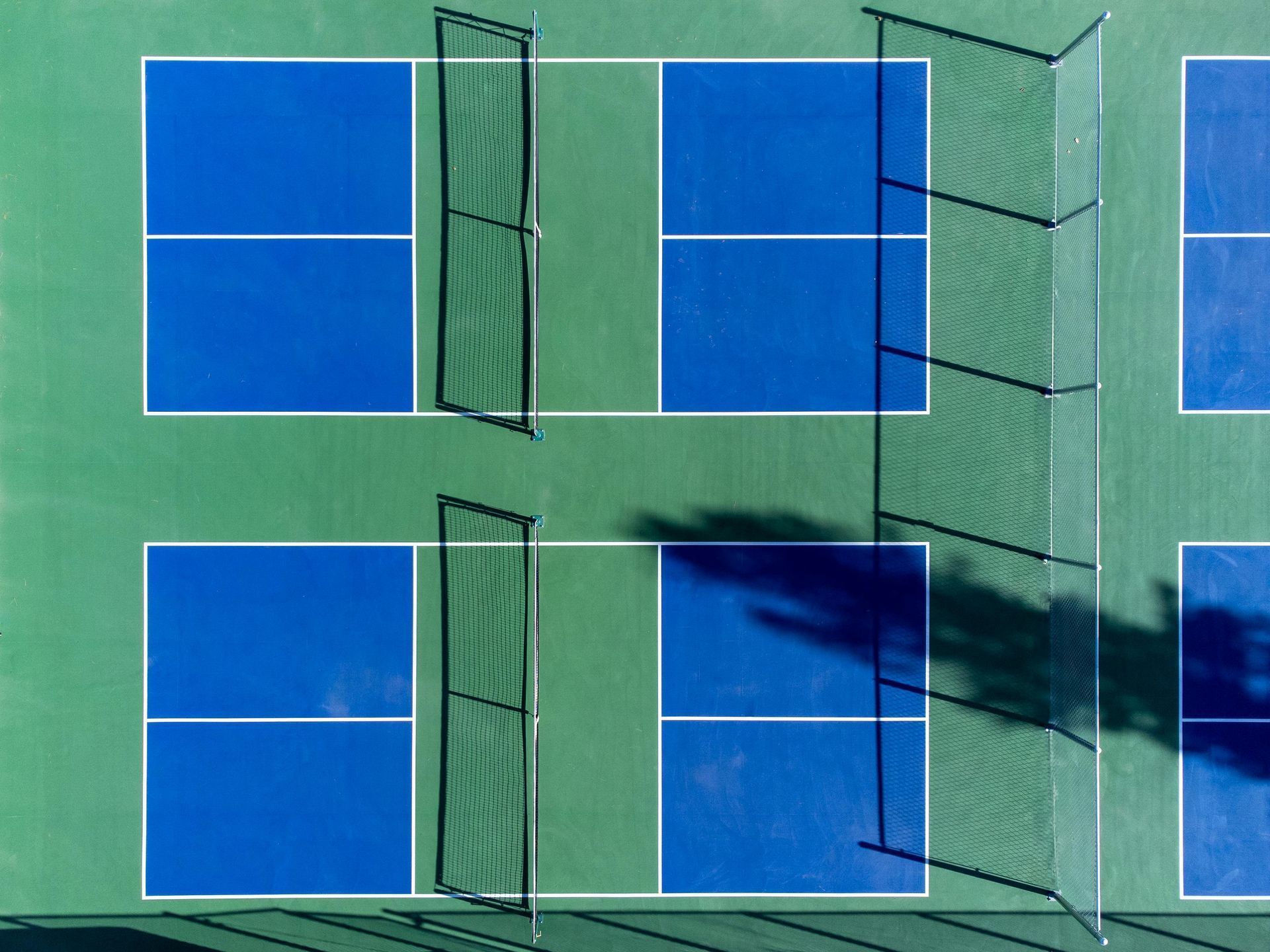
Navigating pickleball court setbacks in Florida? This guide covers Florida condo association pickleball rules, municipal zoning setbacks, buffer requirements, and how Mor-Sports Group designs code-compliant courts for HOAs and condo associations across Florida. Licensed Florida contractor with 35+ years of experience. Contact us today.
April 14, 2026
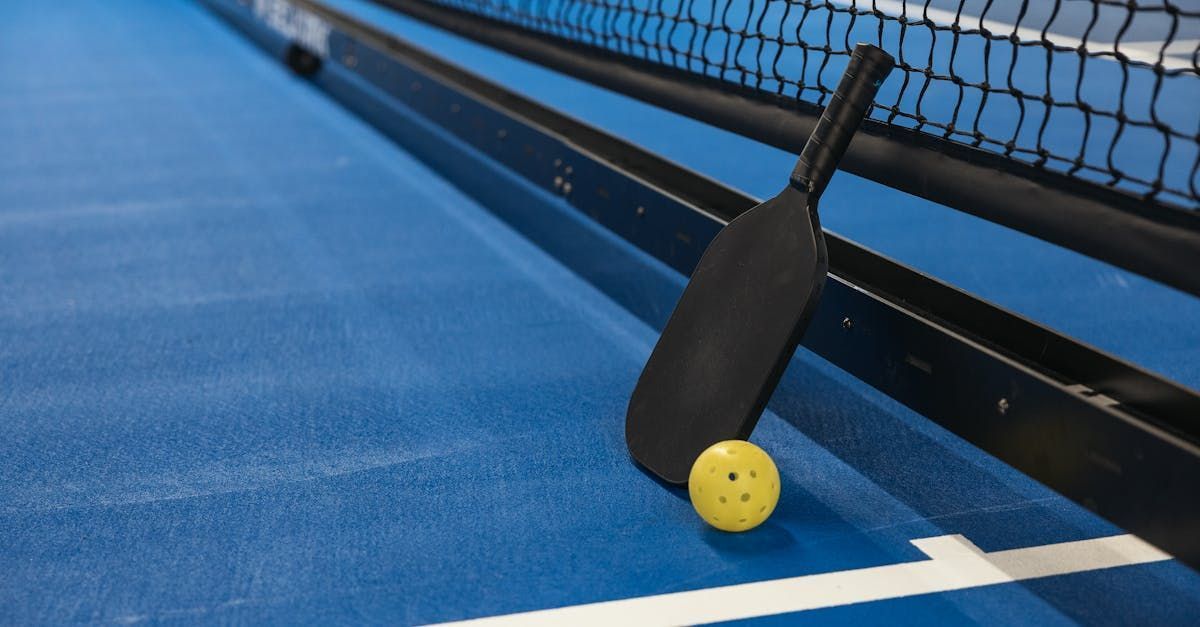
Planning a pickleball court for your Florida HOA? Learn how pickleball court noise Florida HOA rules work, what local noise ordinances allow, and how Mor-Sports Group designs sound-mitigated courts that keep your community and neighbors happy. Licensed Florida contractor, Official Court Builder of the US Open Pickleball Championship. Request a quote today.
March 8, 2026
Maximize synthetic grass field safety with Mor-Sports' best practices. Learn essential guidelines for player injury prevention, field maintenance, and athletic regulations.
February 27, 2026
Complete guide to maintaining pickleball courts. Learn essential care routines, seasonal maintenance, common problems, and professional tips to keep your courts in championship condition year-round.
February 21, 2026
Extend your artificial turf's life with Mor-Sports' expert maintenance guide. Learn daily, weekly, and annual care tips for lasting performance & safety.
