
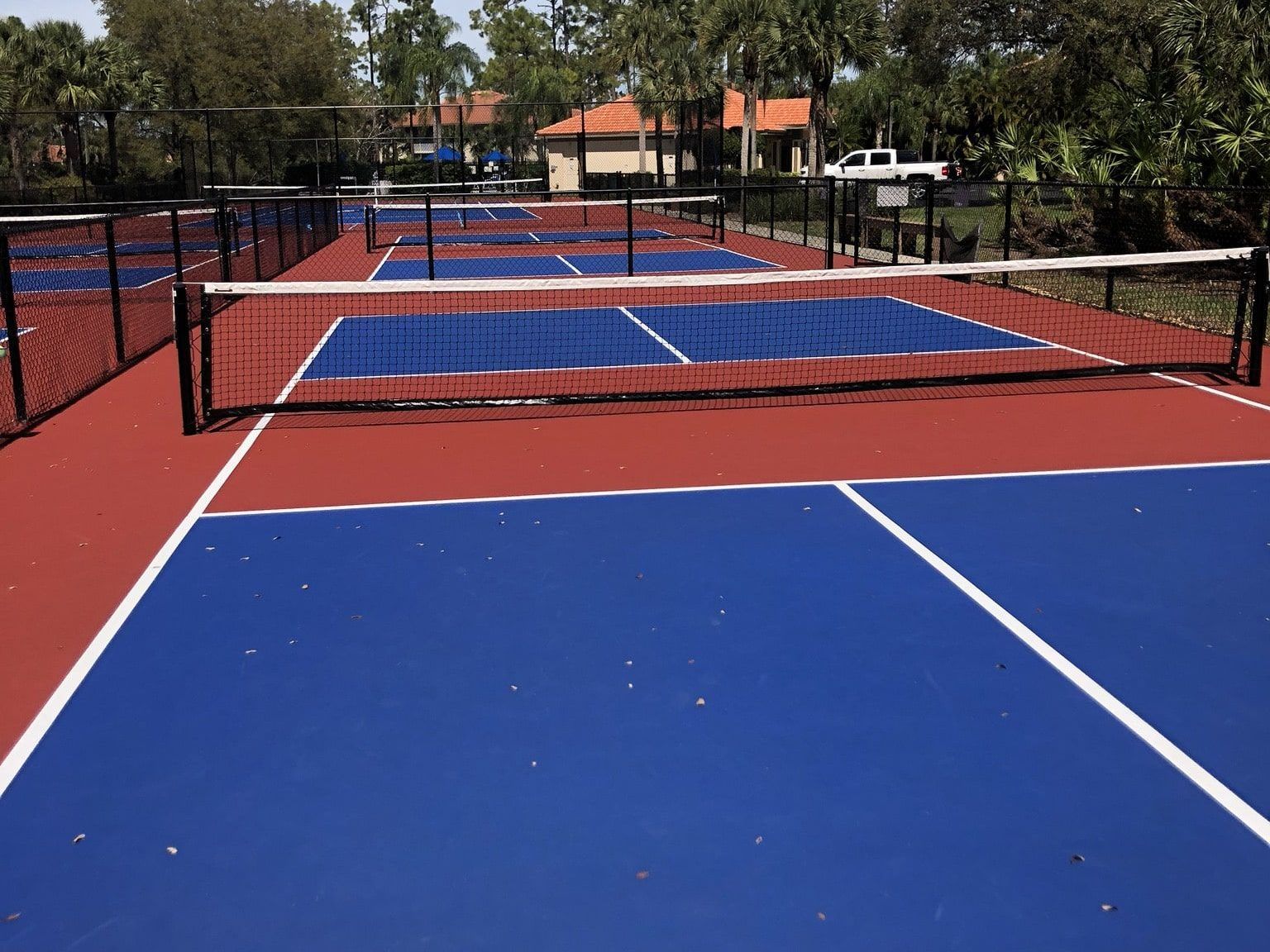
How Weather Affects Outdoor Basketball Court Materials
If you're planning to build or maintain an outdoor basketball court, weather is one thing you can't ignore. The materials you choose for your court will be tested by sun, rain, wind, and changing temperatures. Understanding how different weather conditions impact court surfaces will help you make smart decisions that can save money and keep your court safe and fun to play on for years.
Why Weather Conditions Matter for Basketball Court Surfaces
Outdoor courts face the elements every day. From blazing sun to freezing nights, each weather condition affects court materials differently. If the surface cracks, becomes slippery, or fades too fast, it can ruin the playing experience and even create hazards. Picking the right material means your court will last longer, require less repair, and stay safe for players.
The Effects of Heat, Cold, Rain, and UV on Court Materials
Outdoor basketball courts face a mix of tough weather challenges. Heat, cold, rain, and sunlight can all change how a court looks, feels, and performs. Each type of weather comes with its own set of issues that you need to think about when choosing or maintaining court materials.
Heat and High Temperatures
Hot weather can be tough on outdoor courts. Asphalt surfaces may soften or expand when exposed to high heat, which can cause warping or make the surface feel sticky. Dark-colored courts can absorb a lot of heat, which not only affects the material but can also make playing uncomfortable for athletes.
Rubber or synthetic courts handle heat better than traditional surfaces, but they can still get warm to the touch on particularly hot days. Choosing lighter colors and heat-resistant materials can make a significant difference in how your court performs during summer months.
Cold and Freeze-Thaw Cycles
Cold weather, especially in places with freeze-thaw cycles, can lead to cracks in court surfaces. Concrete and asphalt expand and contract with changing temperatures, creating stress on the material. Water that seeps into tiny cracks can freeze, expand, and make the cracks worse over time.
These cracks can make the court unsafe and harder to play on, affecting ball bounce and player movement. Acrylic and rubber coatings provide some protection, but no material is completely immune without proper care and regular maintenance.
Rain, Moisture, and Drainage
Rain is one of the biggest challenges for outdoor courts. Standing water creates slippery spots and increases the risk of accidents, making the court dangerous to use. Asphalt and concrete are porous materials, so they can absorb water over time, leading to erosion and structural damage beneath the surface.
Courts that don't drain properly will see faster wear and tear, with water pooling causing both immediate safety hazards and long-term degradation. Rubber and synthetic materials offer better water resistance, and adding a good drainage system can help any court last longer regardless of the surface material you choose.
Sunlight and UV Exposure
The sun's UV rays can do a lot of damage over time. Surface coatings can fade, crack, and break down when exposed to strong sunlight day after day. This not only affects the appearance of your court but can also compromise the structural integrity of the surface layer.
UV-resistant materials or coatings can slow down this process significantly, keeping the court looking good and playing well for many more years. Acrylic surfaces are especially good at resisting UV damage, which is why they're popular in sunny areas and are often the preferred choice for courts in warm climates.
How Common Court Materials Hold Up in Different Weather
Not all basketball court materials are created equal when it comes to weather resistance. Here's a closer look at how some of the most common surfaces handle the elements and what you can expect from each option.
Asphalt
Asphalt is affordable and easy to install, making it a popular choice for many outdoor courts. However, it needs sealing every few years to protect against water damage and cracking. Without regular sealing, asphalt can break down quickly in areas with freeze-thaw cycles, developing cracks and potholes that affect playability.
While asphalt requires ongoing maintenance, its lower initial cost makes it an attractive option for many projects, especially when budget is a primary concern.
Concrete
Concrete is strong and long-lasting, but also prone to cracking in cold climates where freeze-thaw cycles are common. Like asphalt, it benefits from sealing and regular maintenance to protect against moisture infiltration and surface degradation.
One consideration with concrete is that it can feel harder on players' joints compared to other surfaces, which may be a factor if the court will see heavy use or be used by players of all ages.
Acrylic Coatings
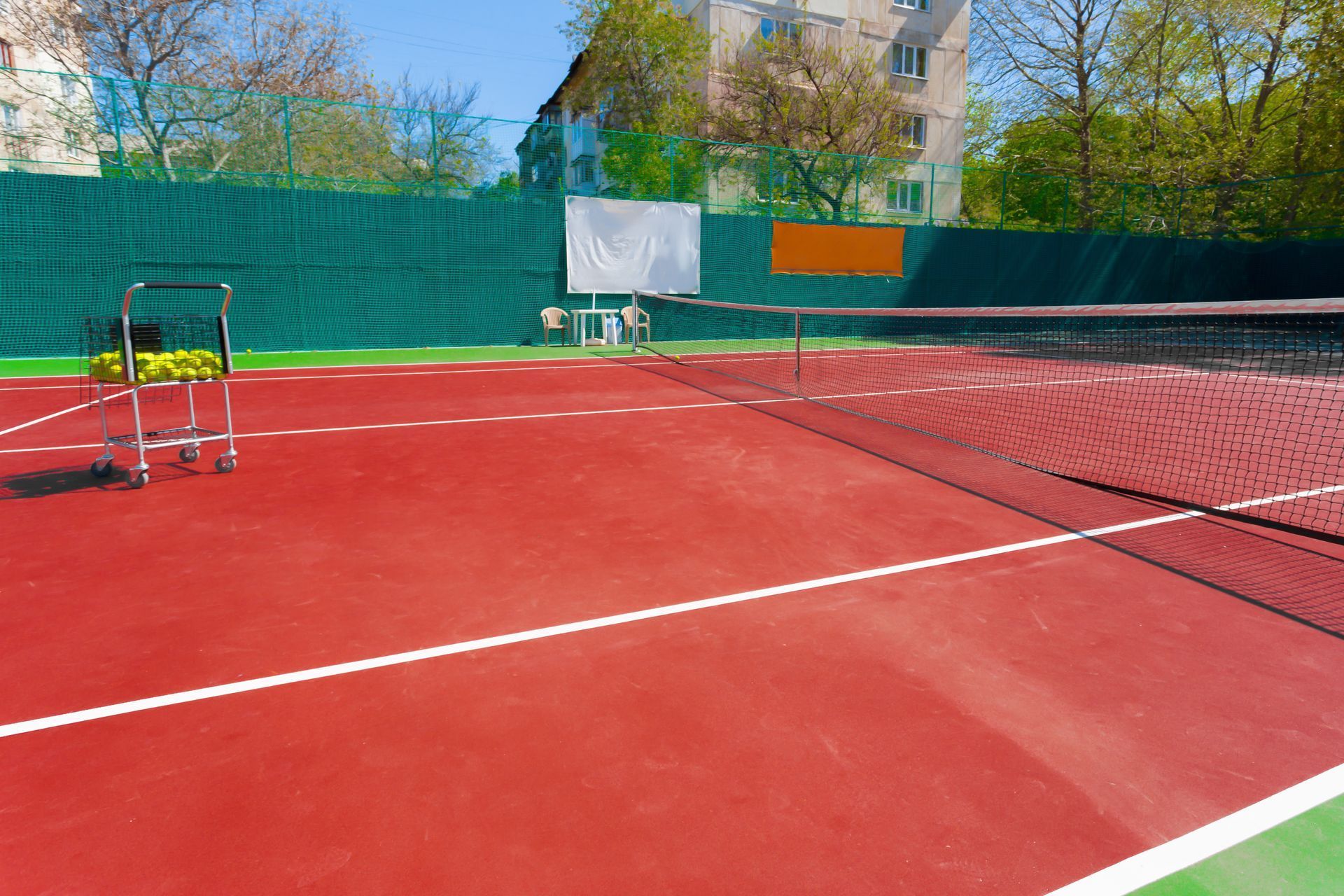
Acrylic coatings are great for adding a weather-resistant layer on top of concrete or asphalt. They help protect against UV rays, moisture, and minor temperature changes while providing a consistent playing surface with good ball response.
These coatings require reapplication every few years, depending on wear and exposure levels. Regular recoating maintains both the protective qualities and the visual appeal of your court.
Rubber and Synthetic Surfaces
Rubber and synthetic surfaces provide excellent shock absorption and traction, making them comfortable and safe for players. These materials handle moisture better than most other surfaces and resist cracking from temperature changes.
While they're more expensive upfront, rubber and synthetic surfaces can save on maintenance costs in the long run, making them a smart investment for high-use facilities or areas with challenging weather conditions.
Maintenance Tips to Protect Outdoor Courts from Weather Damage
No matter what material you choose, maintenance is key to keeping your court in top shape and maximizing its lifespan.
Clean regularly by sweeping or washing off dirt, leaves, and debris. This prevents surface abrasion and water pooling that can lead to more serious problems. Regular cleaning also helps you spot potential issues before they become major repairs.
Inspect for cracks frequently, especially after extreme weather events or seasonal changes. Small cracks can become big problems if water gets in and freezes, so addressing them early is crucial for preventing costly repairs down the line.
Seal surfaces according to manufacturer recommendations. If you have asphalt or concrete, sealing them every few years protects against moisture and UV damage, significantly extending the life of your court.
Check drainage systems regularly to make sure water doesn't pool on your court. Good drainage prevents long-term damage and keeps your court playable in all but the worst weather conditions.
Choosing the Right Surface for Your Climate
When picking a material, think carefully about your local weather patterns and seasonal conditions. If you're in a hot, sunny region, go for UV-resistant coatings and lighter colors that reflect heat rather than absorbing it, keeping the surface cooler for players.
In rainy areas, prioritize drainage systems and materials that resist water absorption to prevent moisture-related damage. For cold climates, look for surfaces that can handle freeze-thaw cycles and consider investing in high-quality sealants that provide an extra layer of protection.
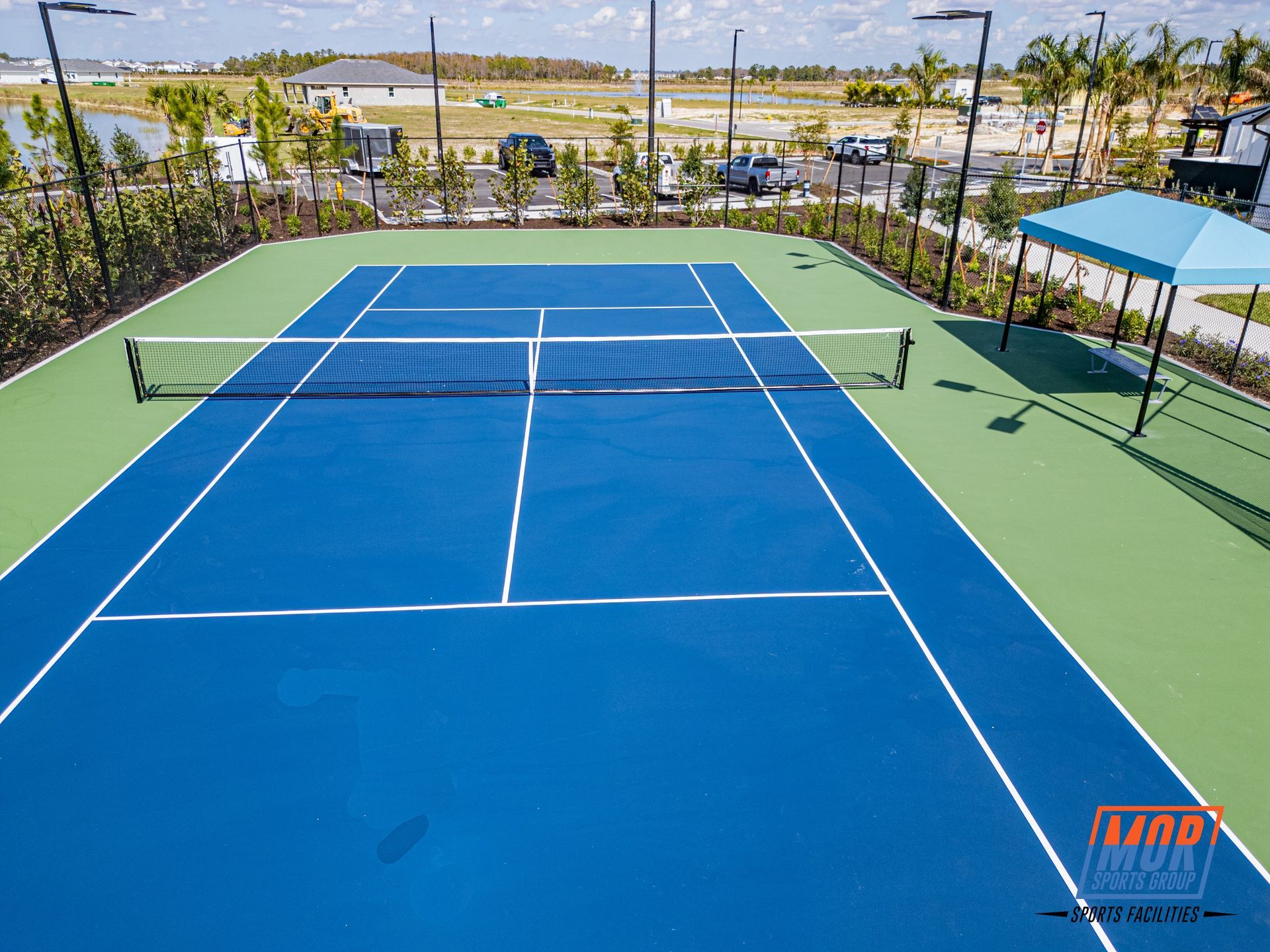
This is where working with professionals makes a big difference. Mor Sports Group specializes in helping clients choose, install, and maintain basketball court surfaces that are built for the local environment. Whether you're starting from scratch or upgrading an existing court, they offer solutions that balance performance, durability, and style to meet your specific needs.
Conclusion
The weather will always be a factor for outdoor basketball courts. But with the right materials, good maintenance, and smart planning, you can build a court that stands up to whatever nature throws at it. Take time to think about your local conditions, and don't cut corners on materials or professional help.
Your court—and the players who use it—will thank you for making informed decisions that prioritize both performance and longevity. A well-built, properly maintained court is an investment that pays dividends in years of reliable, enjoyable play.