
Tennis Court Construction: The Ultimate Guide

Introduction to Tennis Court Construction
Tennis court construction involves more than just laying down a surface; it's about making decisions that impact play quality, safety , and maintenance. When done right, a well-planned tennis court is safe and enjoyable to use. Before you dive into construction, here are a few key considerations you should keep in mind:
- Purpose : Start by identifying the main goal of the court. A recreational court for a home might have different needs than a commercial facility that hosts tournaments. Knowing the court's purpose helps guide decisions about materials, layout, and maintenance.
- Budget : Building a tennis court can be expensive, so having a realistic budget is essential. Costs vary based on the surface type, site preparation, and extra features like fencing, seating, and lighting. A clear budget helps you balance quality and cost.
- Timeline : Construction timelines depend on several factors, including weather and material availability. Planning for potential delays and ensuring you have all necessary permits in advance can help prevent costly setbacks.
- Focus on Quality : Investing in quality materials and following best practices ensures your court lasts. While initial costs may be higher, quality materials mean less maintenance and fewer repairs over time.
Planning and Site Preparation
Site Selection and Orientation
- Orientation : A north-south alignment minimizes sun interference, which is especially important for outdoor play. This positioning ensures players won't face direct sunlight, improving visibility and comfort.
- Wind Shielding : Sites naturally sheltered from strong winds provide a more consistent playing environment. If natural windbreaks aren't available, adding fences or strategic landscaping can help block the wind.
- Access : Making sure everyone can quickly get around is essential, so always consider how players, spectators, and maintenance crews can navigate your space. Broad parking areas and walkways are ideal since they give enough space for maintenance equipment and foot traffic.
- Extra Space : Depending on the purpose, you may need additional space for seating, fencing, or pathways. This extra room enhances safety for players and comfort for spectators, particularly in multi-court or tournament settings.
Site Clearing and Grading
- Clearing Vegetation : Remove plants, rocks, and debris to create a stable base. Trees with extensive root systems should be removed, as roots can interfere with the court's foundation over time.
- Leveling : Grading the ground helps with drainage and creates an even playing surface. Proper leveling is vital for smooth play and overall durability.
- Erosion Control : In areas with high rainfall or erosion risks, soil stabilization is essential. Adding retaining walls or using ground cover plants helps keep the area stable over time.
Foundation and Drainage Systems
Foundation Construction
- Sub-base Layers : A good foundation starts with a compacted gravel or crushed stone layer. This sub-base layer not only supports the court but also helps with drainage, which protects the surface above from any moisture issues.
- Post-Tensioned Concrete : If you're building in an area where temperatures fluctuate, consider using post-tensioned concrete . This foundation resists cracking because it's reinforced with steel tendons that allow the concrete to expand and contract without breaking.
- Additional Layers : For clay or synthetic courts, you may need extra layers, like sand or geotextile fabrics, which add stability and improve drainage. These layers reduce maintenance needs over time, as they help keep the surface even and well-drained.
Drainage and Water Management
- Perimeter Drainage : Installing channels around the court can catch runoff and redirect water, keeping it away from the playing area. This simple addition reduces the chance of water damage and helps the court stay dry.
- Subsurface Drainage : If you're dealing with poor soil drainage or heavy rain, consider a subsurface drainage system with perforated pipes. These pipes sit beneath the court, channeling water away and protecting the surface from below.
- Court Slope : Adding a slight slope—around 1%—to the court's surface helps water naturally drain off. This subtle tilt keeps the court dry and prevents standing water, which is especially useful on porous surfaces like clay.
Regulatory, Environmental, and Legal Considerations
Building Permits and Zoning Laws
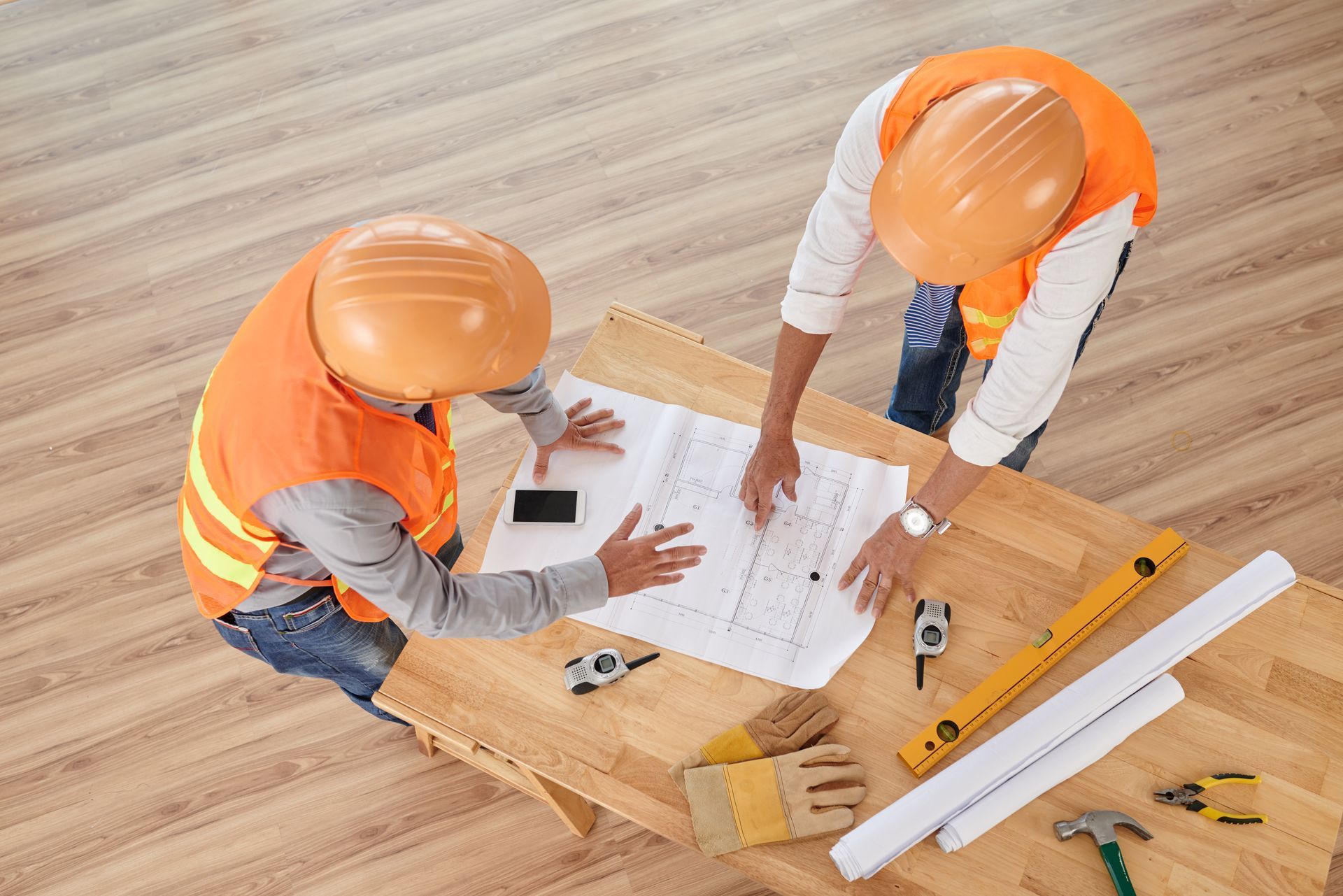
- Permit Application : Applying for a permit usually means submitting plans with dimensions, layout, and materials. If you're building near residential properties, you may need approval from local councils.
- Zoning Compliance : Zoning laws dictate where courts can be built, how high fences can go, and how close they can be to property lines. These rules are critical in residential areas to prevent disturbances.
- Lighting and Noise : Many areas limit outdoor lighting and noise to maintain a peaceful community environment. Regulations might limit light brightness and restrict play hours, especially at night.
Environmental Impact and Sustainability
- Stormwater Management : Courts need drainage systems in rainy areas to prevent runoff and erosion. Drainage channels keep water from the court and reduce the risk of nearby property damage.
- Sustainable Materials : Using recycled or porous materials for fencing or eco-friendly paint for court markings reduces environmental impact. This helps manage water runoff and keeps the project aligned with sustainability goals.
- Landscape Preservation : Minimize vegetation removal, keep mature trees, and use erosion control measures to protect the local ecosystem. You can also use native plants for landscaping to support local biodiversity and keep maintenance low.
Accessibility Requirements
- ADA Compliance : In the U.S., the Americans with Disabilities Act (ADA) requires public courts to have smooth, accessible pathways and wheelchair-friendly seating areas.
- Accessible Paths and Parking : Other areas may require paths to the court accessible from parking spots. Paths should be broad, obstacle-free, and easy to navigate for all.
- Inclusive Design : Go beyond basic accessibility requirements by adding accessible seating, shaded areas, and clear signage. These slight modifications can enhance the experience for all players and spectators.
Liability and Insurance
- Liability Insurance : Liability insurance covers injuries or accidents on your property. It's wise to consult an insurance provider to find the right level of coverage for private or commercial courts.
- Safety Signage : Posting clear safety signs helps alert players to hazards like wet surfaces or maintenance work.
- Routine Safety Checks : Regular inspections and maintenance keep the court safe and may be legally required. Documenting each check also helps protect you in case of a dispute.
Community Considerations
- Consulting Neighbors : Let nearby residents know about your plans and address any concerns they may have about lighting or noise. Transparency and a willingness to listen can go a long way.
- Setting Hours : Establish reasonable hours of operation. Restricting night play, for example, helps reduce light and noise disturbances, which keeps relations with neighbors positive.
- Public Access Policies : For community courts, having clear usage policies—like reservations, guidelines, and designated hours—helps manage the space reasonably and prevents overcrowding. Hosting community events or free-play hours can also encourage local engagement.
Court Dimensions, Layout, and Markings
Standard Dimensions
- Singles Court : Singles courts are 78 feet long and 27 feet wide. This narrower setup suits one player per side, allowing for strategic play and easy coverage.
- Doubles Court : Doubles courts are widened to 36 feet while keeping the same length. This added width accommodates two players per side and opens up more angles for shots.
Extra Space Around the Court
- Baseline Buffer : Recreational courts should have at least 21 feet of space behind each baseline, while professional courts need up to 27 feet. This extra space helps players return long shots without running into fences.
- Sideline Buffer : Adding 12 to 15 feet along each sideline allows for safe reach on wide shots and makes room for spectators, referees, or equipment.
Court Markings and Lines
- Baselines and Sidelines : The baseline, at each end of the court, is the farthest boundary line. It's 36 feet wide for doubles, and for singles, it's 27 feet. The sidelines mark the outer edges of the court for both singles and doubles play.
- Service Boxes : Service boxes are created by the center service line and service line, which is 21 feet from the net. Each service box measures 13.5 feet wide and is essential for serving accuracy.
- Center Mark : This small line on the baseline divides the court into left and right service areas, helping players position themselves for serving.
- No-Man's Land : The area between the baseline and service line is often called "no-man's land" because players rarely stay here long. It serves as a transitional area during play.
Net Installation and Court Accessories
- Net Height : The net should be 3 feet high at the center and 3.5 feet at the posts. This height difference keeps play fair and consistent.
- Post Placement : Net posts should be placed 3 feet outside the doubles sidelines to avoid interfering with play. Secure placement also helps keep the net tight and prevents sagging.
- Installation Quality : Properly strung nets prevent sagging, which can affect ball movement. Adjustable posts and anchors can also help maintain net tension over time.
Special Considerations for Outdoor vs. Indoor Courts
Outdoor Court Considerations
- Sun and Wind : For outdoor courts, position the court on a north-south axis to minimize the impact of sun glare, especially during mornings and late afternoons. This alignment keeps the sun out of players' eyes, which is essential for a good game.
- Wind Barriers : If your court is in a windy area, add windbreaks like fences, trees, or hedges. Dense hedges, for example, do double duty—they cut down on wind and add privacy, which is a nice bonus.
Indoor Court Considerations
- Lighting : Good lighting is critical indoors. High-quality LED overheads can simulate natural daylight and provide even visibility without creating glare. Bright and evenly spaced lighting helps players stay focused and ensures no shadows.
- Ventilation : Indoor courts need strong air circulation to prevent moisture buildup, which can affect both comfort and the quality of the court surface. HVAC systems or fans can help control humidity and keep fresh air moving throughout the space.
- Acoustics : Sound can echo in an indoor court, which can be distracting. Installing sound-absorbing panels helps reduce echo, creating a quieter, more focused atmosphere for play.
Designing Multi-Court Facilities
When building multiple courts for a club, school, or sports complex, thinking about how people will use the space is essential. Good layout and design help with the flow of players and spectators, making the facility enjoyable for everyone. Here are some key factors to keep in mind for multi-court facilities .
Court Spacing
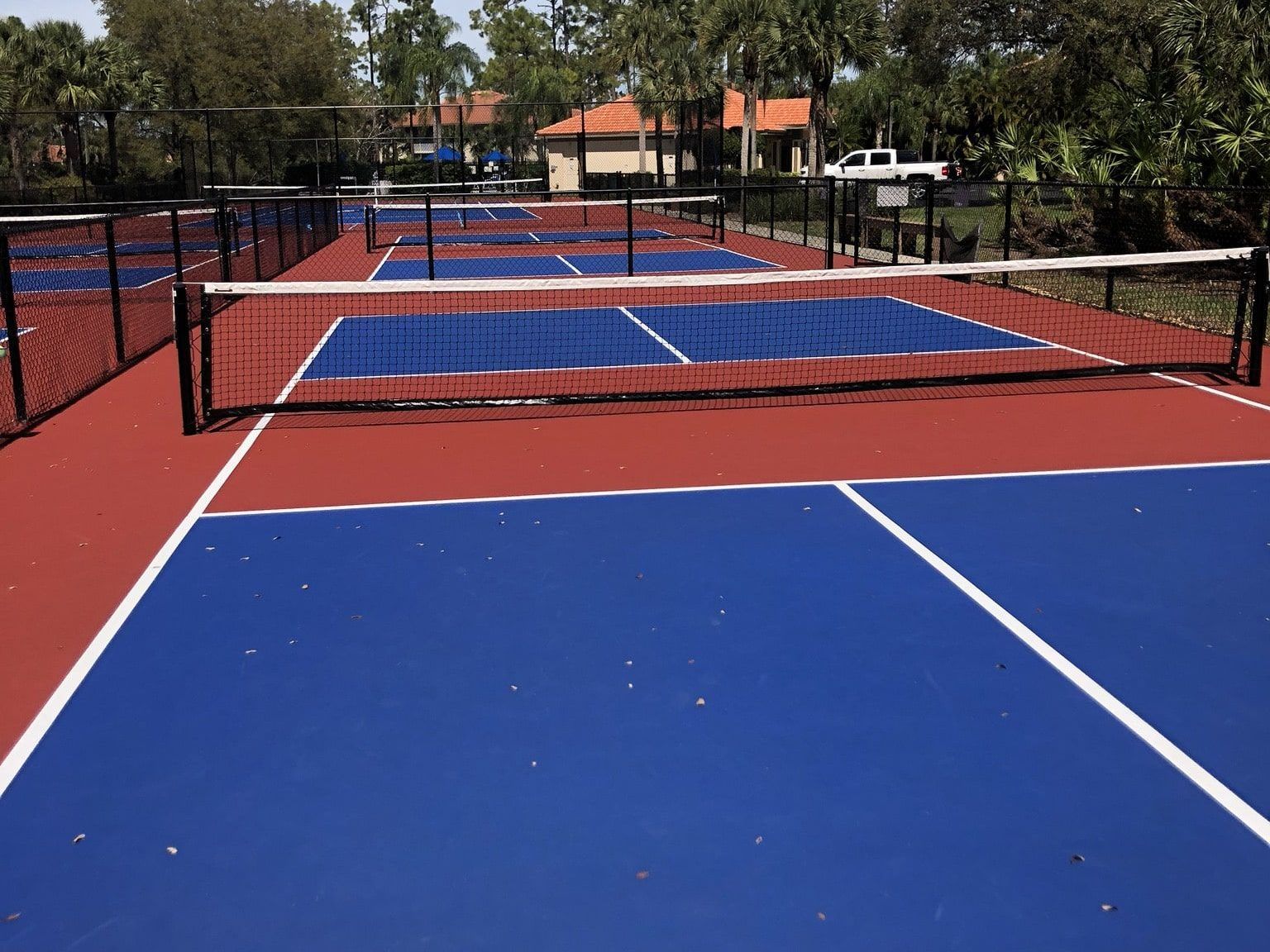
- Recommended Spacing : The general guideline is to have about 12 feet of space between each court. This buffer allows players to retrieve stray balls without interrupting adjacent games and provides enough room for equipment setup and side seating if needed.
- Tournament Needs : This spacing becomes even more important for facilities that host tournaments. When multiple matches are in progress, having that extra separation between courts helps reduce noise and distractions, creating a more focused and professional environment for players.
Spectator Areas
- Seating Placement : Place the audience in areas where they can watch comfortably without obstructing player movement or access points. End-court seating is popular because it provides clear sightlines of the game without interfering with the court sidelines.
- Elevated Seating Options : Consider adding elevated seating areas if the location allows. Raised seats enable spectators to look out over multiple courts, which is great for larger events or tournaments. Elevated seating also keeps pathways clear at ground level, making it easier for players and staff to move around.
- Shade and Comfort : Consider providing shaded seating or a few shaded areas for outdoor facilities. Small additions like umbrellas can make a big difference for spectators during hot summer days, helping them stay comfortable and engaged longer.
Pathways and Access
- Wide Pathways : Make pathways between courts wide enough to accommodate players, coaches, and maintenance carts without feeling cramped. This allows groups to pass each other easily and helps with quick movement during busy times, like tournaments.
- Designated Entry and Exit Points : Mark specific entry and exit points for each court so players can come and go without disrupting nearby games. These access points help avoid congestion on the court sidelines and ensure that games in progress are kept from players entering and exiting.
- Pathway Signage : Clear signage for pathways, especially in larger complexes, helps everyone know where to go. Signs can direct players to locker rooms or spectators to the seating area, creating a more organized and efficient space.
Court Surfaces: Types, Pros, and Cons
Hard Courts
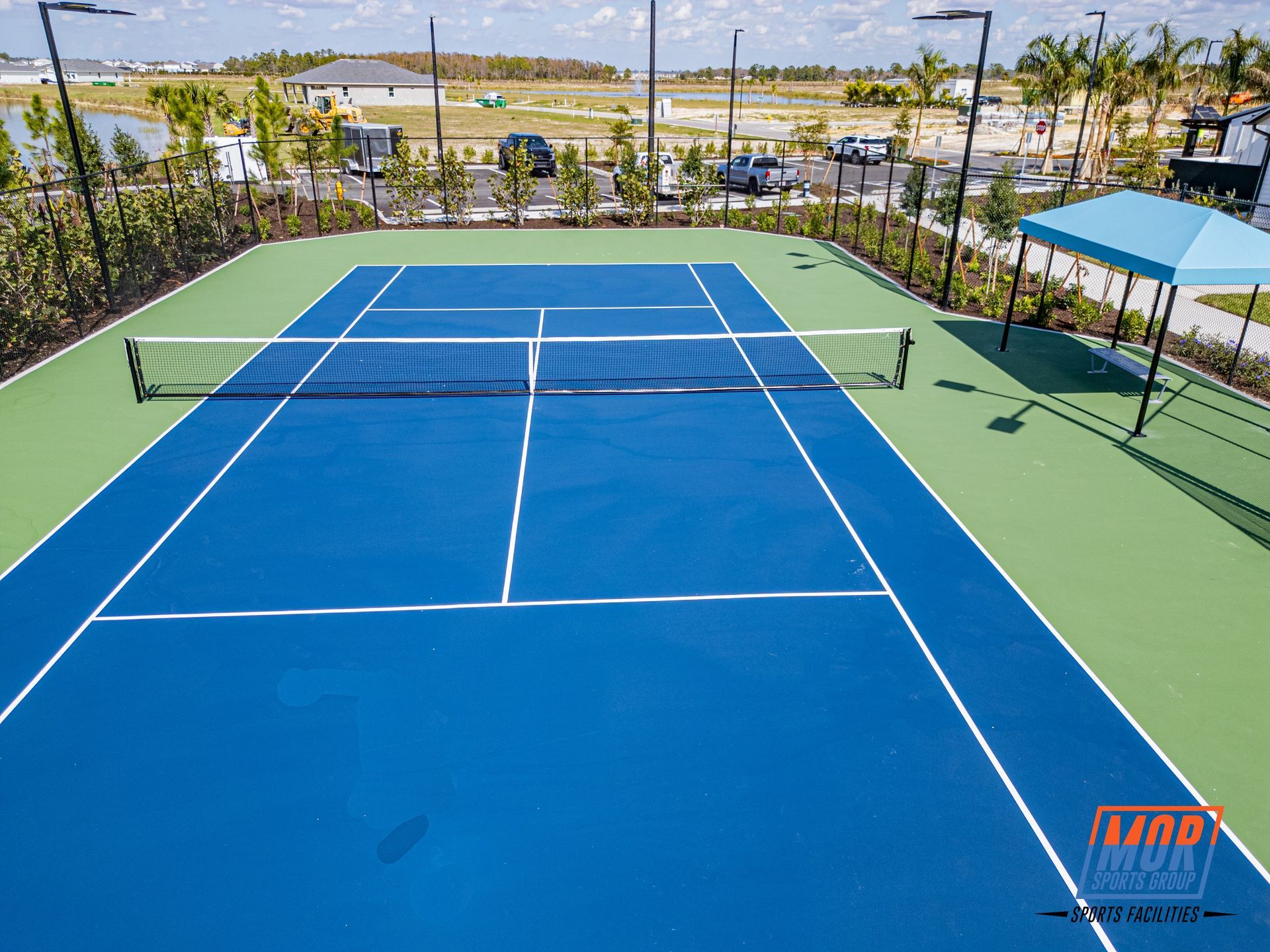
- Material : Asphalt or concrete base, usually topped with an acrylic surface.
- Advantages :
- Durability : Hard courts are resilient and withstand heavy use, making them ideal for high-traffic facilities.
- Low Maintenance : These surfaces require minimal upkeep compared to softer surfaces like clay or grass.
- All-Weather Suitability : Hard courts are resistant to rain and other weather conditions, allowing for play year-round.
- Uniform Bounce : The even surface provides a predictable ball bounce, which many competitive players and coaches prefer.
- Drawbacks :
- Impact on Joints : The firm surface can be hard on players' joints, especially over long periods, and can lead to injuries.
- Heat Retention : Hard courts can retain heat, making them uncomfortable during peak summer months. This effect is more prominent on darker-colored surfaces.
- Potential Cracking : In colder climates, temperature fluctuations can cause hard courts to crack, requiring resurfacing.
Clay Courts
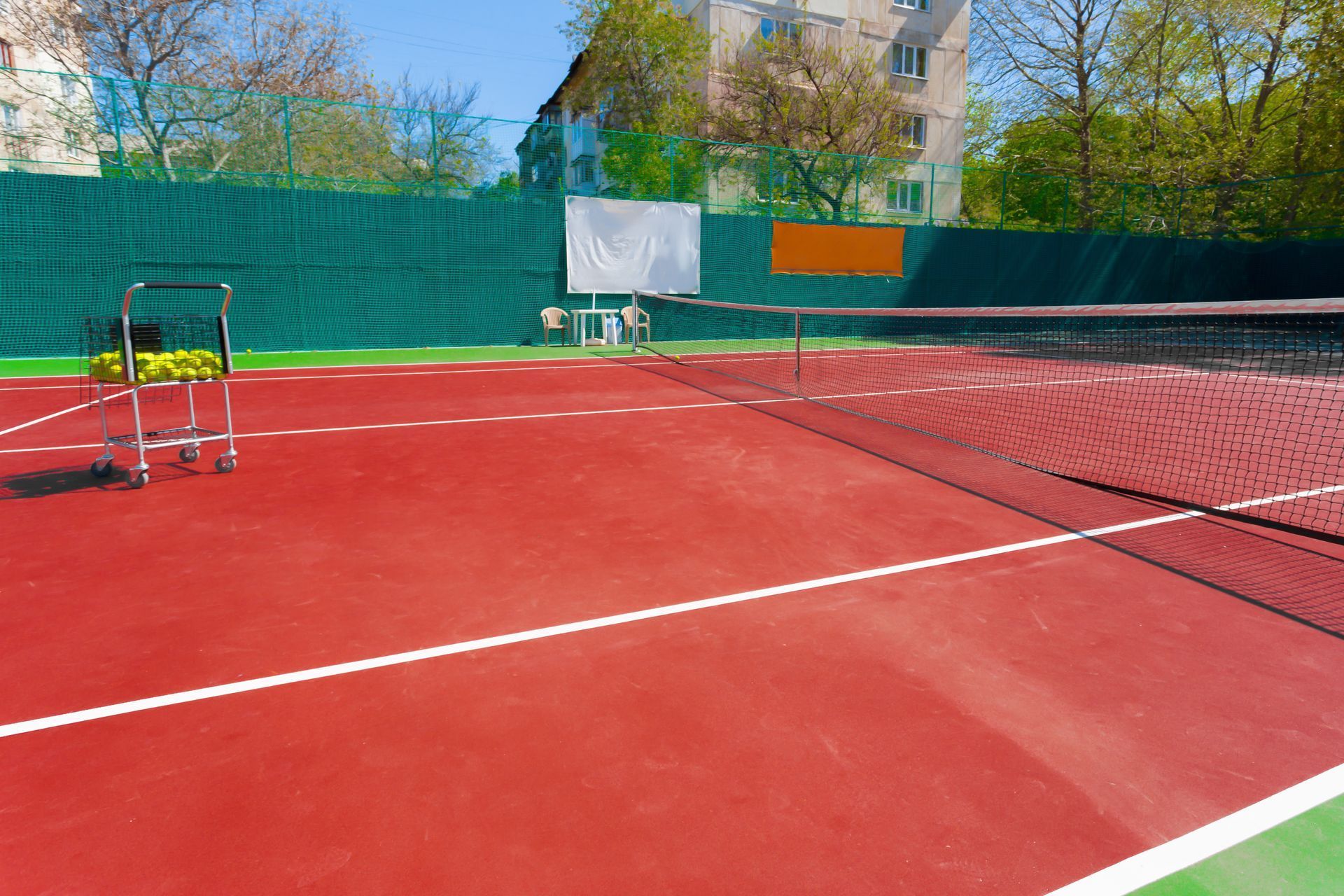
- Material : Typically made from crushed stone, shale, or brick dust, red clay is more common in Europe, and green clay is often seen in the United States.
- Advantages :
- Gentle on Joints : The soft surface absorbs shock, which reduces the impact on joints and muscles.
- Sliding Ability : Players can slide on clay, reducing sudden stops and easing the load on their bodies, which many find beneficial for prolonged play.
- Longer Rallies : Clay slows down the ball, leading to longer rallies and a more strategic style of play, ideal for building stamina and tactical skills.
- Enhanced Training : Many coaches prefer clay courts for training as they promote endurance, patience, and strategic gameplay.
- Drawbacks :
- High Maintenance : Clay courts require regular upkeep, including watering, rolling, and brushing, especially after rain.
- Weather Sensitivity : Clay courts become unplayable in heavy rain and may require time to dry, making them less practical for wet climates.
- Erosion : Over time, the top layer of clay can wear down, necessitating the addition of fresh clay material to maintain surface quality.
Grass Courts
- Material : Natural grass grown on a firm, level soil base, often with a blend of grass types chosen for durability and resilience.
- Advantages :
- Natural Feel : Grass courts provide a unique, classic tennis experience with a soft surface that's easy on the joints.
- Fast Play : The low, fast bounce of the ball on grass favors quicker games and aggressive play styles.
- Aesthetic Appeal : A well-maintained grass court has a refined, elegant look that many players find appealing.
- Cooling Effect : Natural grass doesn't retain as much heat as hard or synthetic surfaces, making it more comfortable to play on warm days.
- Drawbacks :
- Intensive Maintenance : Grass requires daily upkeep, including mowing, watering, and soil treatment to keep it in optimal condition.
- Weather Dependency : Grass courts can become slippery and unplayable after rain, making them unsuitable for areas with frequent rainfall.
- Cost : Maintaining a grass court requires regular fertilization, irrigation, and periodic re-seeding or turf replacement.
Synthetic Turf
- Material : This artificial grass with sand or rubber infill provides cushioning and a more natural feel.
- Advantages :
- Weather-Resistant : Synthetic turf handles rain, sun, and temperature fluctuations better than natural grass, providing a reliable playing surface year-round.
- Low Maintenance : Unlike natural grass, synthetic turf doesn't require mowing, watering, or fertilizing, making it much easier to maintain.
- Multi-Sport Versatility : Synthetic surfaces are prevalent in multi-sport facilities as they can accommodate a variety of activities beyond tennis, such as soccer and field hockey.
- Consistent Performance : The playing surface remains uniform, providing reliable bounce and traction regardless of weather.
- Drawbacks :
- High Installation Cost : Synthetic turf requires a larger initial investment, especially for high-quality installations.
- Heat Retention : Like hard courts, synthetic turf can get very hot in direct sunlight, which may deter play during peak summer hours.
- Infill Maintenance : Over time, the sand or rubber infill may need replenishing to keep the surface balanced and safe for players.
Carpet Courts
- Material : The carpet is usually made of tightly woven synthetic fibers and can be laid over an existing hard surface for quick setup.
- Advantages :
- Quick Installation : Carpet courts can be set up and removed easily, making them suitable for temporary or multi-use facilities.
- Fast Play : The surface produces a low, fast bounce, ideal for players who prefer quick, aggressive games.
- Portable : Carpet courts are lightweight and can be moved, allowing facilities to convert spaces for various events or sports.
- Drawbacks :
- Not Suitable for Outdoor Use : Carpet is sensitive to moisture and weather, making it suitable only for indoor environments.
- Wear and Tear : The fibers in carpet courts can wear down quickly with heavy use, requiring frequent replacement in high-traffic facilities.
- Slippery Surface : Depending on the material, carpet courts can become slippery, increasing the risk of falls for players.
Maintenance Essentials
Regular Inspections
- Walk around the court to look for cracks, uneven surfaces, or worn areas.
- Address small cracks early to avoid more extensive repairs later.
- Simple fixes can significantly extend the court's lifespan and maintain play quality.
Surface Cleaning
- Hard Courts:
- Pressure wash periodically to remove dirt, leaves, and other debris.
- Regular washing prevents staining and reduces the risk of slick spots.
- Clay Courts:
- Rake the surface to smooth out high and low spots.
- Water regularly to keep the clay from drying out and becoming loose.
- Level the court frequently to maintain a consistent surface.
- Grass Courts:
- Mow regularly to maintain an even playing height.
- Fertilize to promote growth and durability.
- Aerate to allow water, air, and nutrients to reach the roots for healthier turf.
Line Repainting
- Keep lines sharp to help players judge in and out of bounds easily.
- Use high-quality paint on hard and synthetic courts for longer-lasting visibility.
- Clay court lines may need more frequent touch-ups, especially after heavy use or rain.
Seasonal Care
- Colder Climates:
- Winterize hard courts by covering them or managing drainage to prevent ice damage.
- For grass courts, apply winter fertilization to prepare turf for dormancy.
- Clay courts can be leveled and covered to avoid surface shifts during the winter.
- Rainy Regions:
- Focus on drainage to keep the court dry during rainy seasons.
- Clay courts need consistent leveling to avoid puddling.
- A slight slope or perimeter drainage on hard and synthetic courts helps keep water off the surface, reducing erosion.
Cost Considerations
- Surface Type Costs : Hard courts usually come with a lower initial cost, while clay and grass courts may be more expensive because of material and maintenance needs. Synthetic turf courts are often the most costly upfront but can save on long-term maintenance.
- Site Preparation : The cost of prepping your site depends on factors like clearing, grading, and drainage. Extensive work like leveling or erosion control can add to the budget.
- Maintenance Budget : Setting aside funds for routine maintenance is essential for preventing big repair bills later. A well-kept court lasts longer and helps you avoid expensive overhauls in the future.
- Revenue Opportunities : If your court is part of a club, school, or rental facility, you can generate revenue through memberships, court rentals, tournaments, and lessons. In a residential setting, a quality court can add to property value and appeal to potential buyers looking for recreational amenities.
Conclusion
Mor Sports Group specializes in delivering high-quality tennis court construction with unmatched expertise and precision.
Recent Posts