

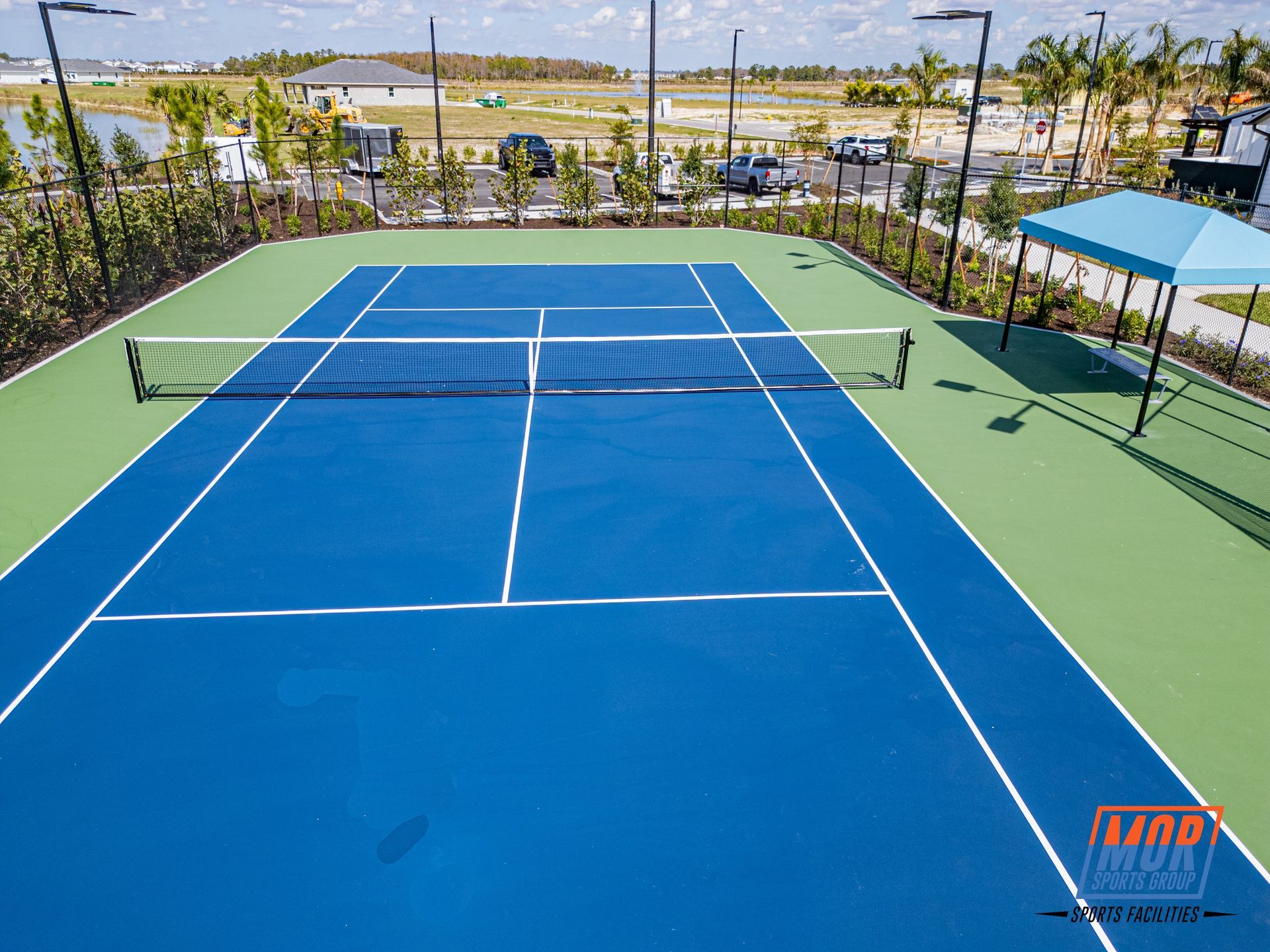
Summer Tennis Court Maintenance: Beat the Heat

Mor Sports Group • February 4, 2026

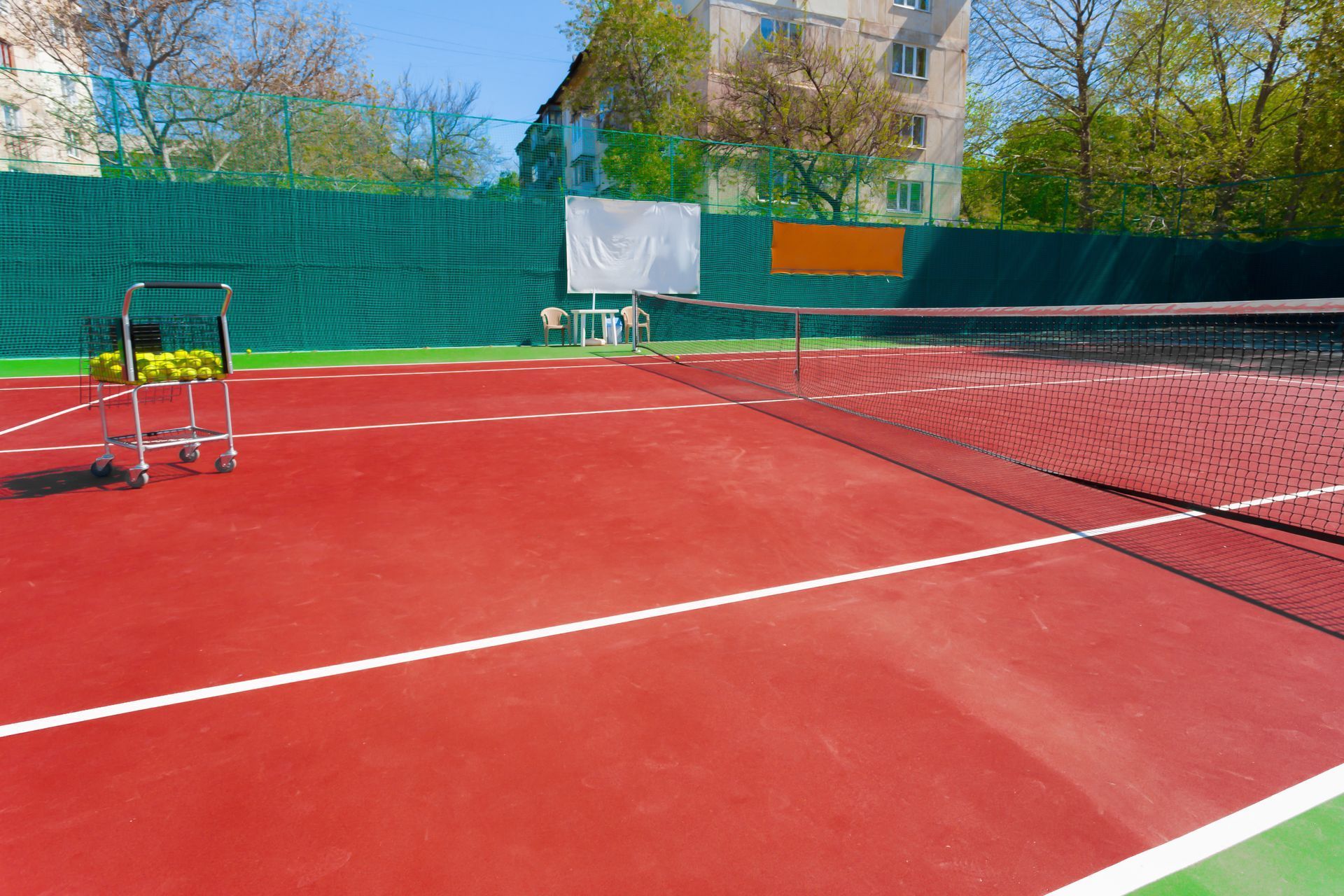
When summer hits, tennis courts take a lot more abuse than usual. Between high temperatures, sudden rainstorms, and constant play, both the court and the players are put to the test. Taking care of your tennis court during these hotter months isn't just smart—it's necessary. In this guide, we'll go over simple but essential summer maintenance tips to help your court handle the heat.

1. Why Summer Tennis Court Maintenance Is So Important

Summer brings intense UV exposure, fluctuating weather conditions, and more foot traffic that can really test your court's durability. Without proper attention and regular upkeep during these challenging months, you risk encountering several serious issues that could compromise both safety and playing quality.

The relentless summer sun accelerates the breakdown of acrylic coatings that protect your court surface. These protective layers start to deteriorate faster when exposed to prolonged UV radiation and extreme temperatures, leaving your court vulnerable to further damage. Additionally, the natural expansion and contraction caused by heat cycles can transform tiny hairline cracks into significant structural problems that require expensive repairs.

Surface discoloration and fading become increasingly noticeable as summer progresses, affecting not just aesthetics but potentially indicating deeper coating degradation. Perhaps most concerning are the dangerous play conditions that emerge when heat-softened surfaces lose their proper texture and firmness, creating inconsistent ball bounce and increasing injury risk for players.

Consistent maintenance keeps the court safe, ensures smooth play, and protects your investment for years to come. The proactive approach always costs less than reactive repairs.

2. Keep Players Safe in Extreme Heat

Maintaining your court's physical condition is crucial, but protecting the people who use it matters just as much. Heat-related illnesses like dehydration and heat exhaustion can develop quickly, especially during intense matches or practice sessions when players are focused on performance rather than their body's warning signs.

Smart scheduling makes a significant difference in player safety and comfort. Organize games and practices during early morning hours when temperatures are coolest, or wait until late evening when the sun's intensity has diminished. These times offer not just cooler air temperatures but also reduced surface heat that can radiate upward and intensify discomfort.

Always keep cold water readily accessible at courtside, ideally in multiple locations so players never have to walk far during breaks. Consider setting up shaded rest areas using canopy tents or portable umbrellas where players can recover between sets. Encourage everyone to wear light-colored, moisture-wicking athletic clothing that helps regulate body temperature effectively.

Cooling towels and ice packs during breaks provide immediate relief and help prevent overheating. The USTA strongly recommends that players drink water before, during, and after matches, maintaining consistent hydration rather than waiting until they feel thirsty. They also emphasize reapplying sunscreen every couple of hours to prevent burns and long-term skin damage.

3. Clean and Protect Your Court Surface

The more you play during summer months, the more debris, sweat, dirt, and grime accumulate on your court surface. This buildup isn't just unsightly—it can create slippery spots, interfere with ball bounce, and accelerate wear on your court's protective coatings. Regular cleaning maintains surface safety while significantly extending the life of your investment.

Start your cleaning routine with a leaf blower or soft-bristled broom to gently clear away dust, leaves, and loose debris. This simple step prevents particles from getting ground into the surface during play. Follow up by rinsing the entire court weekly with a low-pressure hose, which removes embedded dirt and prevents buildup without damaging the surface.

Avoid the temptation to use harsh chemical cleaners or high-pressure washers, as these aggressive methods can strip away protective coatings and damage the surface texture your court relies on for proper play. Gentle, consistent cleaning always beats occasional intensive cleaning that might cause more harm than good.

Remember that summer's high temperatures can soften surface coatings, making them more vulnerable to scuffing and damage during play. This temporary softening means that regular light cleaning becomes even more important—it removes abrasive particles before they can scratch or gouge the slightly pliable surface.

4. Watch for Cracks and Surface Softening

Heat causes tennis court surfaces to expand during the day and contract at night, creating stress that can worsen existing imperfections. Small hairline cracks that seem insignificant in cooler weather can grow substantially during summer months, potentially developing into major structural issues if left unaddressed.

Make it a habit to walk your entire court weekly, carefully examining the surface for warning signs. Look for hairline cracks that appear to be widening or lengthening, which indicate active expansion and deterioration. Watch for areas of discoloration or bubbling in the coating, which often signal moisture intrusion or adhesion failure beneath the surface.

Pay special attention to soft spots underfoot—areas where the surface feels unusually pliable or spongy when you walk on them. These spots can indicate subsurface problems or coating breakdown that needs immediate professional attention. Testing the surface early in the morning when it's coolest gives you the most accurate read on its actual condition.

Addressing minor issues immediately through simple crack filling or spot repairs helps you avoid expensive full resurfacing projects later. Small investments in preventive maintenance now can save thousands of dollars down the road while keeping your court playable and safe throughout the summer.

5. Manage Water and Drainage During Summer Storms

Summer rainstorms can arrive with surprising intensity and volume, dumping significant water on your court in just minutes. Without properly functioning drainage systems ready to handle these sudden deluges, water pools on the surface and can cause permanent structural damage, coating failure, and subsurface erosion.

Start by regularly clearing leaves, dirt, pine needles, and other debris from drainage channels and grates surrounding your court. These obstructions prevent water from flowing away efficiently, creating backups that can flood your court surface. Monthly inspection and cleaning of drainage points should be standard practice during summer months.

Examine the grading of soil and landscaping around your court perimeter. The ground should slope away from the court on all sides, directing runoff toward appropriate drainage areas rather than allowing it to flow onto your playing surface. If you notice water tends to accumulate in certain spots, consider minor grading adjustments before more serious problems develop.

Keep vegetation trimmed back from drainage areas and gutters. Overgrown plants and grass can clog drainage systems, trap moisture against the court edges, and create environments where water damage accelerates. After severe storms, use squeegees to push any standing water off the surface immediately rather than waiting for evaporation, which can take hours and allows water to penetrate protective coatings.

Proper drainage management ranks among the top summer maintenance priorities for any tennis court owner. The investment in maintaining clear, functional drainage systems pays for itself many times over by preventing costly water damage repairs.

6. Protect Your Tennis Equipment from the Heat

High summer temperatures don't just affect your court—they can wreak havoc on tennis equipment left exposed to intense heat and direct sunlight. Racquet frames can warp and lose their precisely engineered shapes, strings can lose tension or even pop from heat expansion, and tennis balls can develop irregular bounce patterns when overheated.

Always store racquets in shaded areas or insulated bags designed to protect against temperature extremes. Never leave your racquet lying on the court surface or on metal benches that absorb and radiate intense heat. Car interiors become especially dangerous during summer, reaching temperatures well over 140°F that can permanently damage expensive equipment in just minutes.

Tennis balls left in hot cars or sitting on sun-baked court surfaces lose their pressurization and bounce characteristics. Store balls in a cool, dry location when not in use, and consider keeping them in an insulated cooler during long practice sessions or tournaments. Fresh balls always play better than heat-damaged ones.

Protecting your gear from heat exposure helps preserve its quality and performance while saving significant money on premature replacements. Quality tennis equipment represents a substantial investment that deserves proper care and protection year-round.

7. Use Shade and Cooling Breaks Strategically

Your players will genuinely appreciate having shaded zones or benches positioned under protective canopies where they can escape intense sun during breaks. Regular cooling breaks aren't just courteous—they're essential safety measures that make extended play safer and significantly more enjoyable for everyone.

Consider installing permanent or semi-permanent canopy tents and shade sails near your courts. These structures provide reliable protection from direct sunlight and create comfortable rest areas that encourage proper break-taking. Position them strategically so players can easily access shade without walking long distances from the court.

Add misting fans or ice-filled towel buckets near bench areas for additional cooling options. These simple amenities make remarkable differences in player comfort and heat management. Some facilities even install overhead misting systems that periodically spray fine water droplets across seating areas, providing instant cooling relief.

Encourage and enforce regular breaks every 15-20 minutes during peak heat hours, especially for junior players, older adults, or anyone not fully acclimated to summer conditions. These mandatory pauses allow bodies to regulate temperature, prevent cumulative heat stress, and reduce injury risk substantially. This practice proves especially valuable for summer camps, league matches, or community programs where players might be outdoors for several hours at a stretch.

8. Trim Surrounding Vegetation

Trees and bushes growing near your tennis court can create multiple problems during summer months if left unmanaged. Overhanging branches continuously drop leaves, seeds, sap, and other organic debris onto your court surface, creating cleaning headaches and potentially staining your carefully maintained surface. Dense vegetation also traps moisture around court edges, promoting mildew growth and coating deterioration.

Make vegetation management part of your regular monthly maintenance checklist throughout the growing season. Trim back any overhanging branches that extend over the court or its fencing, eliminating the source of falling debris before it becomes a constant problem. Pay special attention to trees that might drop substantial amounts of pollen, seeds, or fruit during summer months.

Clear out weeds, vines, and invasive plants growing along fence lines before they can damage fencing materials or create gaps that allow debris accumulation. Remove any vegetation that holds moisture against the court edges or blocks sunlight from reaching and drying damp spots after rain or morning dew.

A tidy court perimeter contributes significantly to overall surface health while making your entire facility look more professional and well-maintained. First impressions matter, and a cleanly trimmed court area suggests attention to detail and quality management that players and visitors notice and appreciate.

9. Adjust Your Court Usage and Schedule

When court surface temperatures climb during peak summer heat, both the risk of physical surface damage and player heat exhaustion increase dramatically. Smarter scheduling strategies can protect both your court and the people using it without significantly reducing overall playing time.

Book competitive matches and intensive training sessions during early morning hours when temperatures remain moderate and court surfaces stay relatively cool. Late evening slots after sunset also provide comfortable conditions with diminished surface heat. These scheduling adjustments benefit everyone involved while reducing stress on your court's protective coatings.

Avoid scheduling intense drilling, conditioning work, or tournament matches during the day's hottest hours, typically between 11 AM and 3 PM. Surface temperatures during this window can exceed 140°F, creating genuinely dangerous conditions for both players and court materials. If midday use becomes unavoidable, implement mandatory water breaks every 15 minutes and monitor participants closely for heat stress symptoms.

For facilities managing multiple courts, rotate practice stations and playing areas to distribute wear patterns more evenly while keeping players moving and cooler through varied positions. When you have courts with different sun exposure, schedule activities on naturally shaded courts first, saving sunnier locations for cooler times of day.

This thoughtful scheduling approach works particularly well for tennis facilities managing multiple courts, hosting summer tournaments, or running intensive training programs where participant safety and court longevity both matter tremendously.

Conclusion

Summer presents real challenges for tennis court maintenance, but with consistent attention and the right preventive strategies, you can stay ahead of heat-related problems effectively. A balanced combination of regular cleaning routines, smart activity scheduling, prompt minor repairs, and player safety measures makes enormous differences in both court condition and user satisfaction.

Don't fall into the trap of waiting for small problems to evolve into major, expensive repairs. Protect your court surface through regular inspections and maintenance, safeguard your equipment from heat damage, and prioritize player safety above all else. Stay cool, stay vigilant, and keep your court looking professionally maintained throughout the entire season.

Your tennis court can absolutely handle summer's intensity—but only with your active help and attention. The extra effort you invest during these challenging months pays substantial dividends through reduced repair costs, extended surface life, and safer, more enjoyable playing conditions that keep people coming back.

If you need professional assistance keeping pace with seasonal maintenance demands, Mor Sports Group offers comprehensive tennis court inspections, expert repairs, and complete resurfacing services. They deeply understand the specific toll that summer weather takes on tennis courts and can develop customized maintenance solutions perfectly matched to your region's particular climate challenges. Whether you're a private homeowner with a single court or manage a full multi-court facility, they bring the specialized tools and extensive experience needed to keep your courts cool and in excellent condition year-round.

Close-up of small gray and tan gravel rocks.
By Mor Sports Group February 2, 2026
Discover why crushed stone is the top choice for bocce ball courts. Learn about superior drainage, consistent surface quality, durability, low maintenance, and cost advantages for your court project.
Black pickleball paddle and yellow ball on a blue court next to a white line.
February 1, 2026
Discover the best surface paints for pickleball courts. Learn key features, application tips, and maintenance advice.
Basketball hoop with weathered backboard and net, set against blurry trees.
By Mor Sports Group January 27, 2026
Learn how heat, cold, rain, and UV rays affect outdoor basketball court materials. Discover which surfaces work best for your climate and get expert maintenance tips to extend your court's lifespan.
Tennis ball on a white line on a blue court, with blurred lights in the background.
By Mor Sports Group January 23, 2026
Discover the key differences between artificial turf and natural grass for padel courts. Learn about costs, maintenance, playability, and which surface is right for your climate and usage needs.
Overhead view of pickleball courts with blue playing areas and green surrounds.
January 18, 2026
Considering concrete for your pickleball court? Learn the pros and cons including durability, ball bounce consistency, maintenance needs, joint impact, and installation costs to make an informed decision.
January 5, 2026
Cracks on a tennis court are more than just an eyesore—they’re the first sign that your court is weakening. After resurfacing, it’s natural to want that fresh, flawless look to last as long as possible. The good news? With the right maintenance plan and a few strategic habits, you can dramatically reduce the risk of cracking and get more life out of your court.
December 22, 2025
Building a clay tennis court isn’t just about spreading clay and calling it done. What’s underneath the surface matters just as much—maybe even more. The base is what keeps the court stable, drains water, and helps players enjoy a consistent game. If the base is done wrong, the court won’t play right, won’t last, and will cost more in repairs over time. Let’s take a closer look at why getting the base construction right is so important.
December 5, 2025
Pickleball is growing fast, and with that comes a big question for homeowners, clubs, and city planners: what’s the best surface for a pickleball court— asphalt or concrete ? Your choice can affect everything from player comfort to maintenance costs. This guide will walk you through everything you need to know in a simple and educational tone.
December 5, 2025
Resurfacing your tennis court is a great investment, but keeping it in top shape takes effort. Without regular care, even a newly resurfaced court can wear down faster than you’d expect. In this guide, we'll go over practical, easy-to-follow tips to help you get the most out of your court for years to come.
November 20, 2025
Taking the time to care for your newly resurfaced tennis court isn’t just about keeping it looking good. It’s about making sure it lasts, stays safe to play on, and feels great underfoot. Once the resurfacing job is complete, the real work begins to keep your investment in top shape. If you're managing a private court or a sports facility, knowing the right maintenance steps makes a big difference.