
Safety Standards in Athletic Court Construction

April 20, 2024
a man is holding a tennis racquet on a tennis court

Safety standards in sports facilities construction are not just guidelines but essential elements that ensure the well-being of every player who steps onto the court. Whether it's for basketball, tennis, pickleball, or any other sport, the construction of a sports facility requires careful consideration of various safety measures. These standards are designed to minimize the risk of injuries and accidents, ensuring that the focus remains on enjoyment and the competitive spirit of the game. Adhering to these safety protocols from the ground up is crucial for building a facility that players can trust.


The development of a sports facility involves more than laying down a playing surface; it encompasses a comprehensive approach to creating a safe environment. This includes the selection of materials, the design of the court, effective drainage systems, and proper lighting, among others. Each component plays a vital role in safeguarding athletes and spectators alike. By prioritizing safety in sports facility construction, builders can provide a foundation for not only physical activity and sportsmanship but also peace of mind for everyone involved.

Material Selection

Choosing the right materials for constructing a sports facility is critical for both the durability of the court and the safety of the players. High-quality materials that can withstand the wear and tear of regular use without deteriorating are essential. These materials must also be safe for intense physical activity, offering sufficient grip to prevent slips and falls, yet gentle enough to minimize injury risk during falls. For instance, surfaces designed for basketball or tennis courts need to provide a balance between traction and smoothness to facilitate fast movements while reducing the chance of knee or ankle injuries.


The selection of non-toxic, environmentally friendly materials contributes to the overall safety and sustainability of the sports facility. It's important to consider how materials react under various weather conditions, as some may become hazardous when wet or extremely hot. By prioritizing safety and durability in material selection, sports facilities constructors can ensure a playing surface that not only lasts longer but also promotes a safer playing environment for all users.

Surface Design

The design and texture of the surface play a significant role in ensuring player safety on a sports facility. A well-designed surface helps to reduce the risk of accidents by providing adequate traction for players, preventing slips and falls during fast-paced games. The texture of the court surface should be smooth enough to allow for seamless movement but not so slick that it becomes a hazard, especially in sports like basketball or volleyball where quick turns and jumps are common.


The surface design must consider impact absorption to protect players from injuries when they fall or dive. Advanced materials and construction techniques can create surfaces that help to cushion impacts, reducing the strain on joints and the risk of serious injuries. By carefully planning the surface design, constructors can create a sports facility that not only enhances performance but also prioritizes the health and safety of every player.

Drainage Systems

Effective drainage systems are crucial for maintaining a safe sports facility. Proper drainage prevents water from accumulating on the surface, which can create slippery conditions and increase the risk of slips and falls. Water pooling can also lead to the growth of mold and mildew, further compromising the court's safety and durability. A well-designed drainage system ensures that rainwater and moisture are efficiently directed away from the playing surface, keeping it dry and safe for use regardless of the weather.


Incorporating slope designs and strategic placement of drains around the court can significantly enhance water management. This not only improves the safety and playability of the court immediately after rainfall but also contributes to the longevity of the surface materials by preventing water damage. By prioritizing effective drainage in sports facility construction, builders can ensure that the court remains a safe, enjoyable place for athletes to compete and practice, day after day.

Lighting and Visibility

Adequate lighting is essential for ensuring safety and visibility on sports facilities, especially for indoor facilities or outdoor courts used during the evening. Properly designed lighting systems illuminate the entire playing area evenly, preventing shadows and dark spots that could obscure vision and lead to accidents. Here are key points to consider:

Even Distribution: Lights should be placed to cover the court uniformly, allowing players to see clearly from any position.


Intensity: The brightness should be sufficient for the specific sport, enhancing visibility without causing glare that can distract or blind players.


Energy Efficiency: Opt for energy-efficient lighting solutions like LED lights that provide long-lasting, high-quality illumination, reducing the environmental impact and operating costs.

Well-planned lighting enhances the safety and enjoyment of the game, ensuring players can focus on their performance without worrying about visibility issues.

Equipment and Accessories

The safety of sports facilities also depends on the quality and condition of the equipment and accessories used. Goals, nets, baskets, and boundary markers must be securely anchored and in good repair to prevent accidents. Regular checks for wear and tear are essential to identify any potential hazards, such as sharp edges or loose fittings that could cause injury. High-quality, durable materials ensure that equipment withstands the rigors of active play without compromising player safety. By investing in and maintaining top-notch equipment and accessories, sports facilities can provide a safer, more enjoyable environment for athletes and spectators alike.

Regular Inspection and Maintenance

Regular inspection and maintenance are key to upholding safety standards on sports facilities. This involves periodic checks to ensure all aspects of the court, from the surface to the lighting and equipment, are in top condition and meet safety requirements. Addressing issues like cracks, uneven surfaces, or faulty equipment promptly can prevent accidents and injuries. Moreover, routine maintenance tasks such as cleaning, surface repairs, and equipment checks help extend the lifespan of the court while ensuring it remains a safe place for everyone to enjoy. By committing to a regular inspection and maintenance schedule, facility operators can ensure their sports facilities remain safe, functional, and appealing to users.

Compliance with Regulations

Adhering to compliance with regulations is a fundamental aspect of sports facilities construction. Local and international safety standards provide a framework for ensuring that courts are built and maintained to protect users. These regulations cover everything from the materials used and the design of the court to specific requirements for equipment and lighting. By following these guidelines, builders and facility operators can ensure that their sports facilities not only provide a high-quality playing experience but also minimize the risk of injuries. Compliance not only reflects a commitment to safety but also shields facility operators from legal liabilities. It’s crucial for anyone involved in the construction or management of sports facilities to stay informed about the latest regulations and to implement them diligently, ensuring that their courts meet or exceed all safety standards.

Conclusion

In conclusion, ensuring safety standards in sports facilities construction is paramount for the well-being of players and the longevity of the facility. From selecting the right materials and designing the surface for optimal playability to installing effective drainage and lighting systems, every detail matters. Equally important are the quality of equipment and accessories, regular inspection, maintenance, and strict adherence to safety regulations. By focusing on these aspects, builders and facility operators can create sports facilities that are not only enjoyable to play on but also safe for everyone. This commitment to safety enhances the overall sports experience, encouraging participation and fostering a love for the game in a secure environment.

Man mowing the grass on a soccer field in a stadium with purple seating.
By Mor Sports Group March 8, 2026
Maximize synthetic grass field safety with Mor-Sports' best practices. Learn essential guidelines for player injury prevention, field maintenance, and athletic regulations.
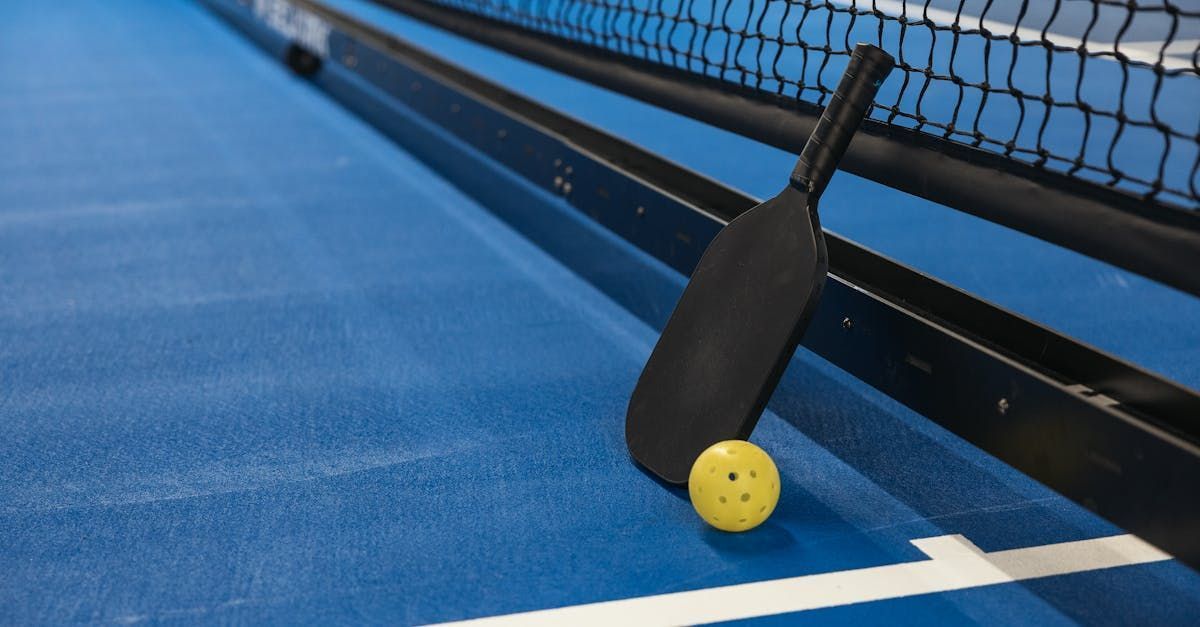
Pickleball paddle and ball on a blue court next to a net.
By Mor Sports Group February 27, 2026
Complete guide to maintaining pickleball courts. Learn essential care routines, seasonal maintenance, common problems, and professional tips to keep your courts in championship condition year-round.
Yellow pickleball and black paddle on a blue court next to a white line.
By Mor Sports Group February 22, 2026
Learn the key warning signs that indicate your pickleball court needs resurfacing. Expert guidance on cracks, fading, texture loss, and when to call professionals for court restoration.
By Mor Sports Group February 21, 2026
Extend your artificial turf's life with Mor-Sports' expert maintenance guide. Learn daily, weekly, and annual care tips for lasting performance & safety.
Aerial view of a soccer field with a running track, surrounded by houses and trees.
By Mor Sports Group February 8, 2026
Explore the surging demand for eco-friendly sports surfaces and key industry trends for 2026. Discover sustainable materials, green building innovations, and why recycled turf is critical for modern sports facilities.
By Mor Sports Group February 4, 2026
Learn essential summer maintenance tips to protect your tennis court from heat damage, improve player safety, and extend your court's lifespan during the hottest months.
Close-up of small gray and tan gravel rocks.
By Mor Sports Group February 2, 2026
Discover why crushed stone is the top choice for bocce ball courts. Learn about superior drainage, consistent surface quality, durability, low maintenance, and cost advantages for your court project.
Black pickleball paddle and yellow ball on a blue court next to a white line.
February 1, 2026
Discover the best surface paints for pickleball courts. Learn key features, application tips, and maintenance advice.
Basketball hoop with weathered backboard and net, set against blurry trees.
By Mor Sports Group January 27, 2026
Learn how heat, cold, rain, and UV rays affect outdoor basketball court materials. Discover which surfaces work best for your climate and get expert maintenance tips to extend your court's lifespan.
Tennis ball on a white line on a blue court, with blurred lights in the background.
By Mor Sports Group January 23, 2026
Discover the key differences between artificial turf and natural grass for padel courts. Learn about costs, maintenance, playability, and which surface is right for your climate and usage needs.