Inside Mor-Sports Group: Our Team on the Move Swiftly Podcast
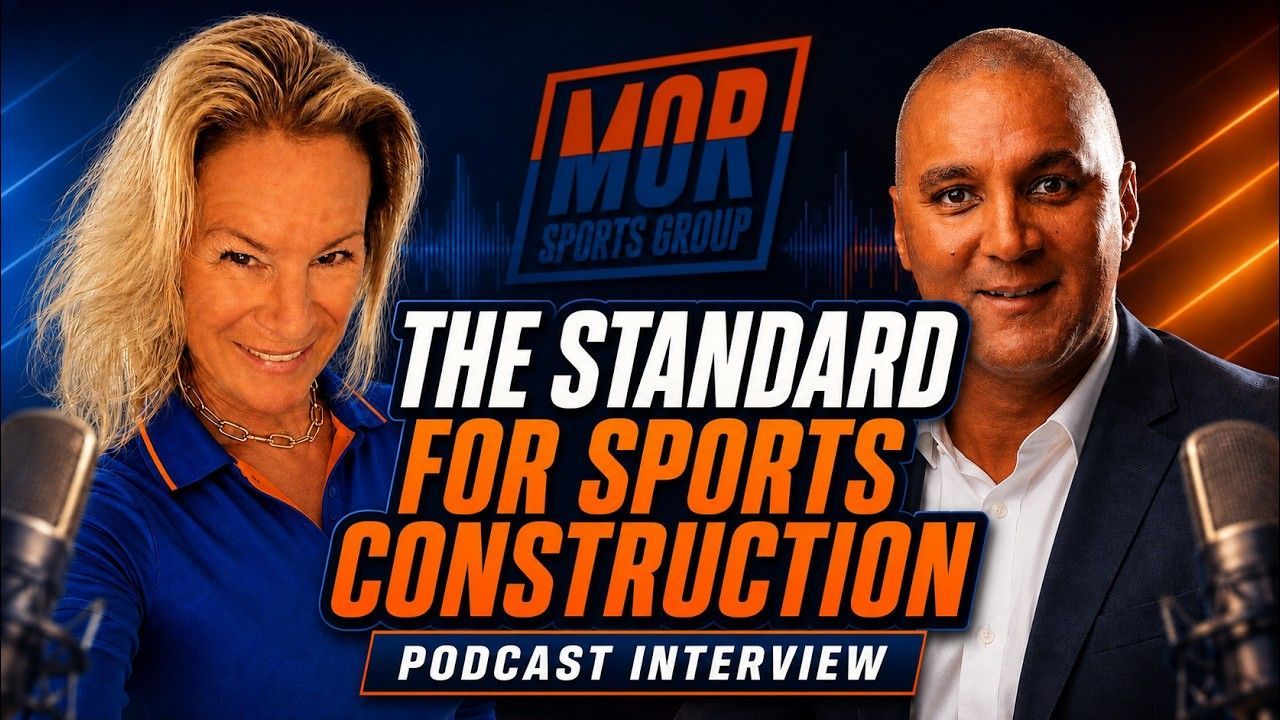
Two members of the Mor-Sports Group team recently sat down with host Aswand Cruickshank on the Move Swiftly podcast for a full-length conversation about what actually goes into building an athletic facility. Nick Blackwood, Sales Manager, and Leslie LoGelfo, Business Development, covered the family heritage behind the company, how surfaces and sports are changing, and why owning every crew, truck and paving machine in-house changes the experience for the people who hire us.
The episode is titled "The Standard for Sports Construction | Inside Mor-Sports Group" — and if you are an HOA board member, club manager, builder or homeowner thinking about a court project, it is a useful half hour. Here are the highlights, and the link to watch it in full.
Watch the full episode
A family heritage that started in 1986
Nick opened with the history. Mor-Sports Group grew out of the Morton family's court-building work overseas — the family name is where "Mor" comes from, spelled M-O-R, not "more." That heritage in sports surfacing dates back to 1986. The Mortons brought the business to Florida and formally launched U.S. operations in 2012, and the company has grown from there into one of the most trusted specialist court builders across Florida and the southern states, with more than 1,000 projects completed nationwide.
As Nick put it on the show, the family values are still visible in the work: "It's not just about the profits. It's about name recognition. There's family pride in everything that's going in, and they stand behind everything that they do."
Everything self-performed: one company, one schedule
Asked for the 30-second pitch at the end of the episode, Nick went straight to the thing that separates Mor-Sports from most contractors: nothing gets subbed out. We own our own equipment — dump trucks, asphalt paving machines, concrete crews — and our own employees install the surfacing, the lighting and the fencing.
Anyone who has managed a construction project knows why that matters. Coordinating four subcontractors' calendars is where schedules slip, and getting a sub to come back after they have moved on to the next job is its own project. When one company controls the schedule, it controls the quality and the timeline. Our crews also work on athletic facilities exclusively — and there is a real difference between the specs and tolerances for paving a parking lot and paving a playing surface.
Leslie added the client-side version of the same point: once a project is signed, the client is assigned a project manager and receives a welcome packet that lays out every part of the job, including dates and duration. One point of contact, start to finish. "Except if it's a monsoon," she noted. "Can't predict that."
Padel is arriving, and pickleball keeps converting
Nick called padel one of the fastest-growing racket sports coming into the United States. It is played inside four glass walls, off the glass like racquetball, with a paddle similar to a pickleball paddle and a tennis-style net — a fast, social hybrid that has been big in Europe and South America for years and is now taking off here.
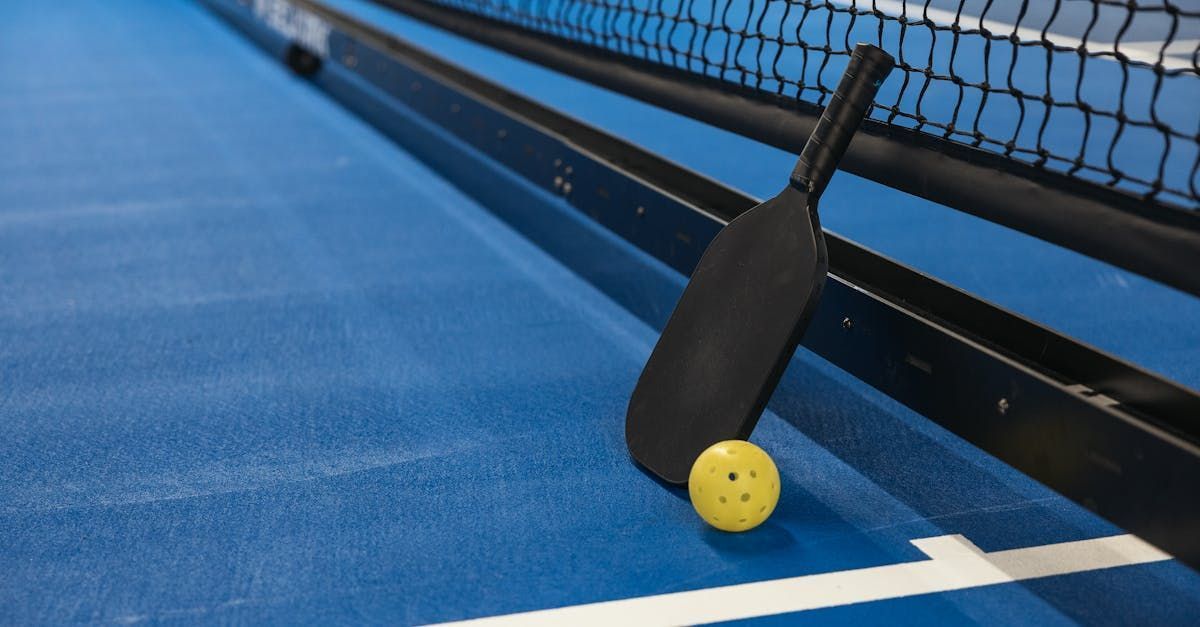
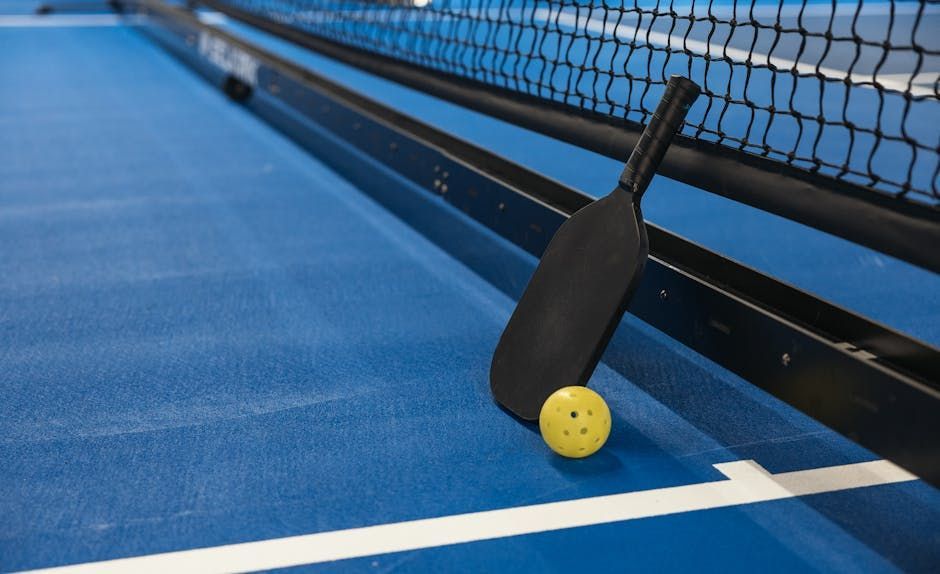
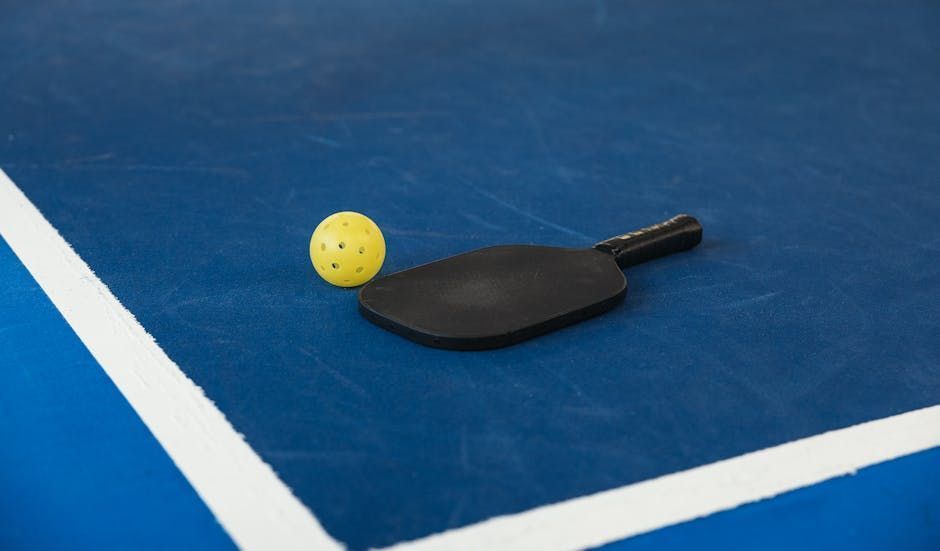
He also described the conversion pattern facilities keep repeating. A club with 16 tennis courts drops to 12 and adds four pickleball courts to each of the freed-up spaces, ending up with 16 pickleball courts. Now some of those are converting again to padel. Leslie's observation: everything is morphing — tennis to pickleball, pickleball to padel — and what a community, hotel or club wants today may not be what it wants in ten years. Designing with that in mind is part of the job.
Surfaces are shifting toward cushion
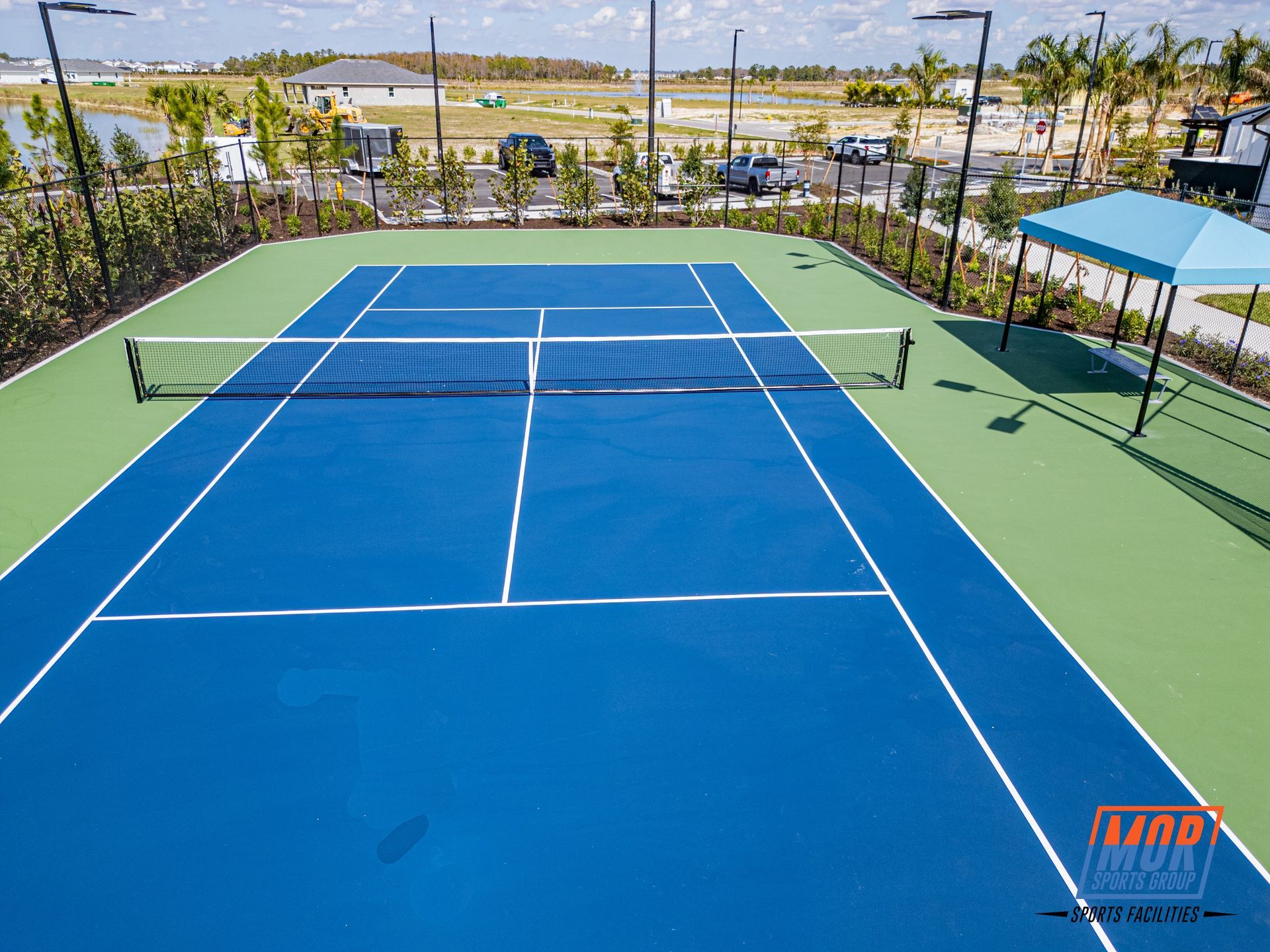
The surfacing conversation was the most technical part of the episode, and the most useful for anyone budgeting a project. Clay took off in tennis because it is easier on the joints. Pickleball brought an older population back onto hard surfaces — which is exactly why cushion systems have become so popular: a liquid acrylic or mat-based cushion can mimic much of the force reduction of clay.
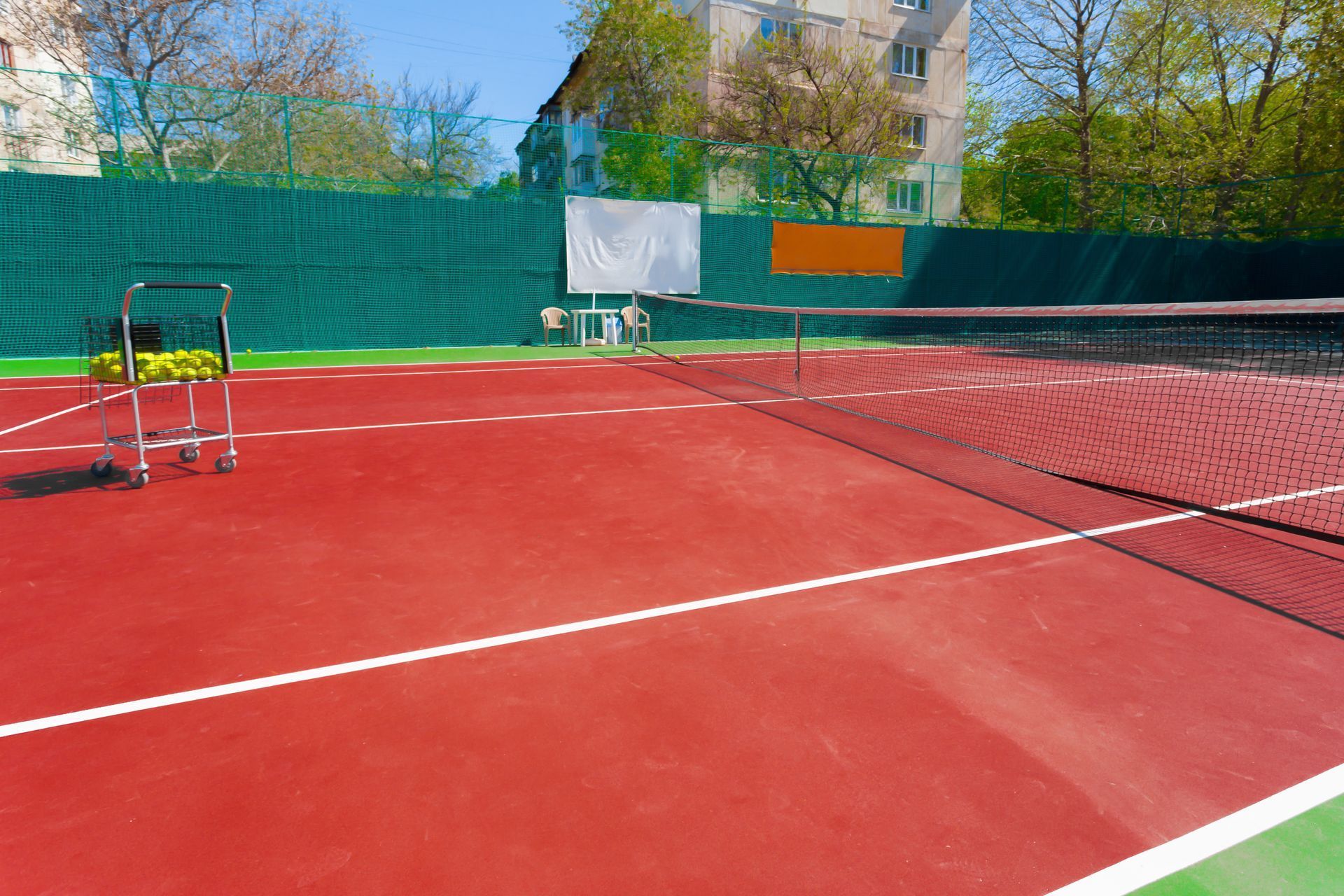
Even in tennis, some owners are weighing that trade-off. Clay requires daily watering, brushing, grooming and topping up to keep lines safe for players, and that maintenance cost keeps climbing. Clay will always have its place, but a good cushion system delivers similar body-force reduction without the daily routine. Mor-Sports has also introduced a red clay product from Europe that needs less water than the green clay common in America, for owners who want the traditional clay feel with a lighter maintenance load.
Shade and roof structures are the trend to watch
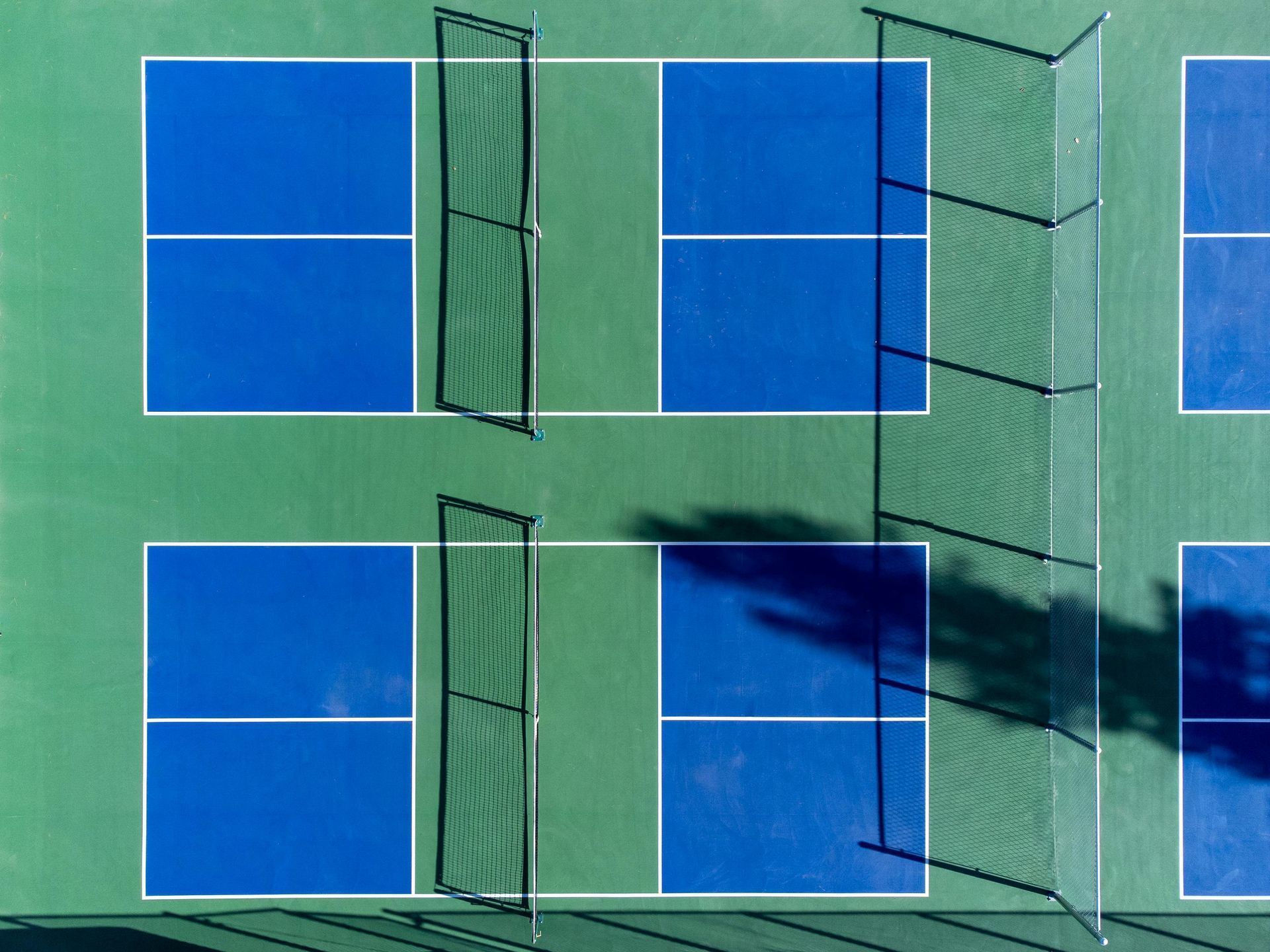
One trend Nick flagged: shade and roof structures over pickleball courts. Roofing a tennis court means covering roughly 7,200 square feet, which is a major structure and a major budget. A pickleball court is about 2,160 square feet, which makes covering it far more affordable. In Florida, where you are dealing with both beating sun and sudden rain, that changes how many hours a year the facility is actually usable.
Courts are becoming community assets
Both guests made the case that athletic facilities are more than amenities. They are where communities and friends gather, and Nick expects demand to keep growing alongside the broader push toward work-life balance. There is also a steady replacement cycle underneath the new construction: every 15 to 20 years, facilities need improvements and infrastructure work, so retrofitting runs in parallel with new builds.
Leslie pointed to another source of demand: dead malls and vacant big-box stores being bought by developers and converted into indoor athletic facilities. Whatever the setting, the design conversation starts the same way — a site visit, measurements, and a discussion about who is going to use the space. A 55-plus community may want bocce and shuffleboard; a family community may want basketball and pickleball; many want a hybrid. We build generational spaces, which means designing for everyone who will use them.
There are careers in this industry
A good stretch of the episode was aimed at young people deciding what to do next. Nick noted the industry is short on surveyors — booking one currently runs two to three weeks out — and that the trades feeding court construction, from electricians running lighting to plumbers running water lines, pay well and are in a building boom. Leslie's framing was that specialization is the point: you can be a mechanic, or you can be the mechanic at the Indianapolis 500, and the difference is what you take the time to learn. Job openings at Mor-Sports are posted on our site.
Thinking about a court project?
The theme running through the whole conversation was building it once and building it right — one company accountable for the schedule, the surface and the warranty. That is the standard we hold ourselves to on every project, from a backyard court to a full amenity package or a championship venue like the US Open Pickleball Championship.
If your community, club or family is planning a build, resurfacing or conversion, contact Mor-Sports Group or call (239) 292-3102 to schedule a site visit. Thanks to Aswand Cruickshank and the Move Swiftly podcast for having us on.
Recent Posts