Maintaining Your Pickleball Court: Complete Guide

Mor Sports Group • February 27, 2026

Pickleball has exploded in popularity, becoming one of the fastest-growing sports in North America. Whether you manage a community recreation center, a private club, or a residential complex with pickleball facilities, maintaining your courts in pristine condition is essential for player satisfaction, safety, and the longevity of your investment. A well-maintained pickleball court not only provides an exceptional playing experience but also reflects the quality and professionalism of your facility.

The good news is that with the right knowledge and consistent care, maintaining a pickleball court doesn't have to be complicated or time-consuming. From daily cleaning routines to seasonal maintenance tasks, understanding the specific needs of your court surface will help you develop an effective maintenance strategy that keeps your courts looking great and performing at their best year-round. This comprehensive guide will walk you through everything you need to know about pickleball court maintenance, whether you have acrylic surfaces, post-tensioned concrete, or synthetic turf courts.


At Mor Sports Group , we've helped countless facilities design, install, and maintain high-performance pickleball courts. Our expertise spans every aspect of court care, from initial surface selection to long-term maintenance planning. In this guide, we'll share the proven strategies and best practices that will help you protect your investment and ensure your players enjoy optimal court conditions every time they step onto the court.


Understanding Your Pickleball Court Surface
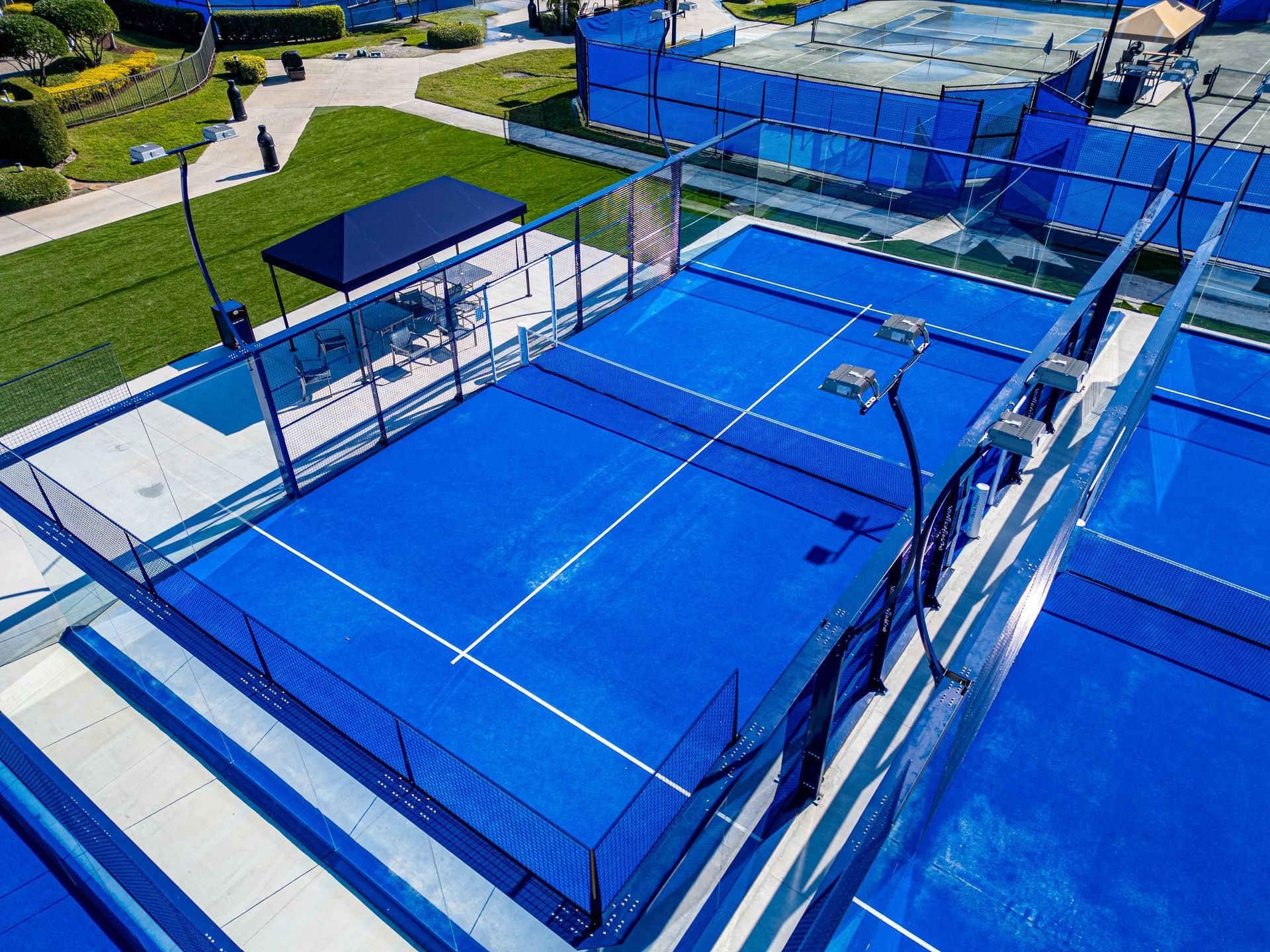
Before diving into specific maintenance techniques, it's crucial to understand exactly what type of court surface you have. Different surfaces require different care approaches, and using the wrong maintenance method can actually damage your court rather than preserve it. The three most common pickleball court surfaces are acrylic-coated hard courts, post-tensioned concrete, and synthetic turf, each with unique characteristics and maintenance requirements.

Acrylic-coated hard courts are by far the most popular choice for dedicated pickleball facilities. These surfaces consist of multiple layers of acrylic coating applied over an asphalt or concrete base, creating a durable, weather-resistant playing surface with consistent ball bounce and excellent traction. The acrylic coating system typically includes a base coat for adhesion, a cushion layer for shock absorption and comfort, a surface texture coat that provides the playing characteristics, and a finish coat with colored surfacing that creates the court's appearance and includes sand for appropriate friction. The beauty of acrylic surfaces is their versatility—they can be customized with different cushioning levels, colors, and textures to meet specific performance requirements. However, acrylic surfaces require protection from standing water, extreme temperature fluctuations, and abrasive cleaning methods that could wear down the coating layers prematurely.

Post-tensioned concrete courts represent a premium option that offers exceptional durability and minimal maintenance requirements. These courts use a specialized concrete system with internal steel cables that are tensioned after the concrete cures, creating a surface that resists cracking and settling far better than traditional concrete. The post-tensioning process creates compression within the concrete slab, counteracting the tensile stresses that typically cause cracks, allowing for larger surface areas without expansion joints that can interfere with play, and resulting in a more stable surface that maintains its levelness over time. While post-tensioned concrete provides an excellent substrate, most facilities still apply an acrylic coating system over the concrete to provide color, texture, and optimized playing characteristics. The primary maintenance advantage of post-tensioned concrete is its structural stability, which significantly reduces the likelihood of cracks developing that would require expensive repairs.

Synthetic turf pickleball courts have gained popularity in recent years, particularly for multi-sport facilities or locations where traditional hard courts may not be practical. Modern pickleball turf systems are specifically engineered for racquet sports, featuring shorter pile heights than tennis courts for appropriate ball bounce, specialized infill materials that provide cushioning without excessive softness, and backing systems designed for dimensional stability. Turf courts offer unique advantages including softer surface that reduces joint impact for players, excellent drainage that allows play shortly after rain, and versatility for other activities when not being used for pickleball. However, turf maintenance is distinctly different from hard court care, requiring regular grooming, infill management, and attention to fiber condition rather than surface coating integrity.

Regardless of which surface type you have, the key to effective maintenance is understanding the specific vulnerabilities and requirements of that surface. If you're uncertain about your court's construction or the best maintenance approach, the team at Mor Sports Group can provide expert assessment and customized maintenance recommendations based on your specific court system and local conditions.

Daily and Weekly Maintenance Essentials
Consistent, routine maintenance is the foundation of keeping your pickleball courts in excellent condition. While it might be tempting to save time by skipping daily or weekly tasks, these regular maintenance activities prevent the accumulation of problems that eventually require expensive repairs. Think of daily and weekly maintenance as preventive medicine for your courts—small investments of time that pay enormous dividends in court longevity and player satisfaction.

Daily debris removal should be the cornerstone of your maintenance routine. Leaves, dirt, pollen, and other organic materials that accumulate on court surfaces create multiple problems beyond just appearance. When debris gets wet, it can stain acrylic surfaces, create slip hazards, block drainage, and begin decomposing into materials that degrade surface coatings. For hard courts, use a leaf blower to remove dry debris—this is quick, efficient, and doesn't involve any abrasive contact with the court surface. Follow up with a soft-bristle push broom for finer particles, always sweeping in the direction of drainage to help direct debris off the court. For turf courts, use specialized turf blowers or power brooms that won't damage fibers, and be sure to check for and remove any sharp objects that could puncture or tear the surface.

Weekly washing keeps court surfaces clean and maintains their optimal playing characteristics. For acrylic courts, use a mild, pH-neutral cleaner specifically designed for sports surfaces—harsh chemicals or household cleaners can break down acrylic binders and fade colors. Mix the cleaner according to manufacturer recommendations, apply with a soft-bristle brush or microfiber mop, and rinse thoroughly with clean water to remove all soap residue. Pay extra attention to high-traffic areas like service boxes and the non-volley zone, where sweat, body oils, and court shoe marks accumulate most heavily. The water pressure from a standard garden hose is usually sufficient—avoid using high-pressure washers unless you're experienced with them, as excessive pressure can actually damage acrylic surfaces by forcing water underneath the coating or eroding the texture layer. For turf courts, weekly maintenance focuses on grooming rather than washing: use specialized turf rakes or power brooms to redistribute infill, stand up fibers that have been matted down, and maintain consistent surface density across the court.

Drainage inspection and maintenance deserves weekly attention, especially during rainy seasons. Standing water is the enemy of pickleball courts, particularly acrylic surfaces where prolonged moisture exposure can lead to coating delamination, subsurface damage, and accelerated deterioration. Walk the court after rain or irrigation to identify any areas where water pools, checking that all drains and drainage channels are clear of debris, observing how quickly water moves off the surface, and noting any areas where drainage seems slower than others. Even minor drainage issues should be addressed promptly—what starts as a small puddle can evolve into a major structural problem if water begins infiltrating beneath the surface. If you notice persistent drainage problems or new areas of water accumulation, this may indicate subsurface settling or deterioration that requires professional assessment.

Net system maintenance is often overlooked but plays an important role in both court safety and player experience. Weekly checks should include inspecting net height at center and side posts (the net should be 36 inches at side posts and 34 inches at center), checking for fraying, tears, or weak spots in the net material, ensuring all tension straps or cables are secure and properly adjusted, verifying that posts are stable and anchor points are solid, and examining wheels or base weights on portable systems for damage or wear. Nets that are improperly tensioned or damaged not only affect gameplay but can also pose safety hazards if they fail during use. Keep spare nets and tension straps on hand so you can quickly replace damaged components without taking courts out of service.

Seasonal Maintenance and Deep Cleaning
While daily and weekly maintenance keeps courts functional, seasonal maintenance tasks address deeper issues and prepare courts for changing weather conditions. These more intensive maintenance activities are typically performed quarterly or as seasons change, though timing should be adjusted based on your local climate and court usage patterns. Seasonal maintenance is your opportunity to address wear patterns, restore surface characteristics, and tackle issues that require more time and specialized equipment than daily routines allow.

Spring maintenance focuses on recovery from winter conditions and preparing courts for the busy summer season. In regions with freezing temperatures, winter can be particularly hard on courts as ice expansion, freeze-thaw cycles, and moisture infiltration stress both surfaces and substrates. Begin your spring maintenance with a thorough inspection of the entire court surface, looking specifically for cracks, chips, or delamination in acrylic coatings that may have developed over winter, areas where the surface texture has worn smooth from use, fading or discoloration of court colors, deterioration of line paint or line tape, and any signs of subsurface movement or settling. Document all issues with photographs and measurements so you can track whether problems are stable or progressing over time. Spring is also the ideal time for power washing acrylic courts—when done correctly with appropriate pressure settings and technique, power washing removes embedded grime, mold, and mildew that accumulated during winter, revealing the true condition of your court surface. However, power washing should only be performed by experienced personnel using equipment specifically suited for sports surfaces, as excessive pressure or improper technique can cause serious damage.

Summer maintenance centers on managing heat-related stress and peak usage wear. High temperatures can affect court surfaces in ways that many facility managers don't anticipate. Acrylic coatings expand in heat, and extreme temperature differentials between day and night can cause stress at seams and joints. During summer months, monitor your courts for any bubbling or lifting of acrylic coatings, which can indicate moisture trapped beneath the surface that's expanding in heat, inspect court lines more frequently as they often show wear first in high-use seasons, increase cleaning frequency if necessary to handle higher usage and accumulated sweat and oils, and consider applying sunscreen to courts—yes, there are UV-protective coatings designed specifically for sports surfaces that can extend the life of color coatings and reduce heat absorption. Summer is also prime time for professional court resurfacing if needed. Many facilities schedule resurfacing for early summer so courts are in peak condition during the busiest playing season. If your courts are showing significant wear or it's been 4-5 years since the last resurfacing, contact Mor Sports Group to discuss whether resurfacing should be part of your summer maintenance plan.

Fall maintenance prepares courts for reduced sunlight, falling leaves, and approaching winter conditions. The shorter days and increased rainfall of autumn create new maintenance challenges. Leaf management becomes a daily priority—leaves contain tannic acid that can stain court surfaces if left to sit, especially when wet. Use blowers to remove leaves promptly and consider installing leaf guards on drainage systems to prevent clogs that could cause water backup. Fall is also an excellent time for repainting court lines if they've faded over the summer. Fresh, crisp lines not only improve the playing experience but also protect the underlying surface by providing an additional coating layer in the most heavily trafficked areas. For facilities in cold climates, fall maintenance should include preparing courts for winter by sealing any cracks or damage before freezing temperatures arrive, clearing and protecting drainage systems, deciding whether courts will be covered during winter months, and scheduling any necessary repairs while weather still permits outdoor work.

Winter maintenance varies dramatically based on climate. In warm regions, winter may actually be prime playing season and maintenance continues much as usual, though with attention to any rain-related issues. In cold climates, proper winter care is essential to prevent freeze-thaw damage. The most important winter maintenance principle is keeping courts dry—moisture that penetrates the surface and then freezes can cause cracks, delamination, and substrate damage. Never use metal shovels or ice chippers on court surfaces, avoid using rock salt or other chemical de-icers unless specifically approved for sports surfaces, and if snow removal is necessary, use plastic shovels or specialized court snow removal equipment. Some facilities choose to cover courts during winter months. Proper court covers provide multiple benefits including protecting surfaces from freeze-thaw cycles, preventing debris accumulation, and extending the season when play is possible. However, covers must be specifically designed for sports courts—using inappropriate materials can trap moisture and cause more damage than leaving courts uncovered.

Addressing Common Court Problems

Even with excellent maintenance, pickleball courts inevitably develop problems over time. Recognizing issues early and addressing them promptly is crucial for preventing minor problems from evolving into major repairs. Understanding the common issues that affect pickleball courts will help you conduct more effective inspections and make informed decisions about when professional intervention is necessary.

Cracks are perhaps the most common concern for hard court owners. Small cracks are almost inevitable in concrete or asphalt substrates due to ground movement, temperature changes, and the natural aging of materials. The key question isn't whether cracks will appear, but how to manage them effectively. Hairline cracks less than 1/8 inch wide are generally cosmetic and can be monitored without immediate repair. Larger cracks between 1/8 and 1/4 inch should be filled with flexible crack filler to prevent moisture infiltration and further expansion. Cracks wider than 1/4 inch or cracks that show signs of movement or differential settling typically indicate subs trate problems that require professional evaluation. Never ignore cracks that run perpendicular to the length of the court or that seem to be actively growing—these may signal serious structural issues. When repairing cracks, proper technique matters enormously. The crack must be thoroughly cleaned, appropriate filler material selected based on crack size and climate, and the repair feathered and blended into the surrounding surface. Poorly executed crack repairs can create trip hazards and actually accelerate deterioration around the repair area.

Surface delamination occurs when acrylic coating layers separate from the substrate or from each other, creating bubbles, loose patches, or areas where the coating can be peeled away. Delamination has several potential causes including moisture trapped beneath the coating that expands and contracts with temperature changes, improper surface preparation before coating was applied, using incompatible coating products, or applying coatings in unsuitable weather conditions. Small areas of delamination can sometimes be cut out and patched, but extensive delamination usually indicates that complete resurfacing is needed. If you notice delamination developing on your courts, document its location and extent, protect the area to prevent it from spreading or becoming a trip hazard, and schedule professional evaluation to determine the underlying cause. Attempting DIY repairs of delaminated areas rarely succeeds long-term because the factors that caused the original failure remain present.

Fading and discoloration are cosmetic issues that affect both appearance and, in some cases, playing conditions. Court surfaces naturally fade over time due to UV exposure, weather, and wear, but premature or uneven fading can indicate problems. Heavy fading in specific areas might suggest chemical exposure from fertilizers or cleaning products, excessive wear from concentrated traffic patterns, or inferior coating materials. While fading doesn't immediately compromise court function, it does affect line visibility—which is crucial for fair play—and can signal that protective coating layers are wearing thin, leaving the substrate more vulnerable to damage. If your courts have faded significantly or lines have become difficult to see, it's time to consider color recoating. This involves applying new color coatings and repainting lines, typically as part of a resurfacing program. The experienced team at Mor Sports Group can assess your court condition and recommend whether spot color restoration or complete resurfacing is the most cost-effective solution.

Drainage issues manifest as standing water, slow-draining puddles, or areas that remain wet long after rain stops. Poor drainage creates immediate play interruptions and long-term damage risks. If you're experiencing drainage problems, first check for obvious issues like clogged drains or debris blocking water flow. If drainage problems persist after clearing obstructions, the issue may be more serious, such as subsurface settling that has altered the court's slope, substrate deterioration allowing water to pool beneath the surface, or inadequate drainage system capacity for the amount of water your courts receive. Professional drainage evaluation can determine whether repairs like crack filling and surface restoration can solve the problem, or whether more extensive work like drainage system augmentation or even substrate reconstruction is necessary. Don't delay addressing drainage issues—every day water sits on your courts, the likelihood of serious damage increases.

Equipment and Products for Proper Court Maintenance

Having the right tools and products makes court maintenance more effective and efficient. While it's tempting to cut corners by using general-purpose cleaning equipment and products, investing in specialized court maintenance equipment pays for itself through better results, faster work, and reduced risk of surface damage. Here's what every pickleball court maintenance program should include in its toolkit.

For daily cleaning and debris removal, you'll need a quality leaf blower with variable speed settings to adjust for different debris types without excessive force on the surface, soft-bristle push brooms in the 24-36 inch range for fine particle removal without abrading court surfaces, microfiber dust mops for quick daily cleaning of indoor courts, and a debris collection system or designated area where swept materials can be gathered without blowing onto neighboring courts. Avoid using hard-bristle brooms or abrasive brushes on acrylic surfaces as these can wear down the texture coat over time. For synthetic turf courts, invest in specialized turf grooming equipment including power brooms and infill distributors designed specifically for sports turf.

Cleaning solutions and chemicals must be selected carefully to avoid damaging court surfaces. Use pH-neutral cleaners specifically formulated for acrylic sports surfaces—these effectively remove dirt and grime without degrading the acrylic binders that hold the surface together. Keep degreaser on hand for removing oil, tar, or gum, but always test in an inconspicuous area first and rinse thoroughly. For mold and mildew, specialized sports surface mildew removers are safer than household bleach, which can discolor and weaken acrylic coatings. Never use acids, harsh alkaline cleaners, or petroleum-based solvents on acrylic courts. For turf courts, antimicrobial treatments designed specifically for synthetic grass can help control odor and bacteria without damaging turf fibers.

Repair materials should be kept in stock for addressing minor issues as they arise. Your repair inventory should include flexible crack filler appropriate for your climate and substrate type, patching compound that matches your court surface color and texture, line paint in the appropriate colors for your court layout, sealer for protecting repaired areas, and basic application tools like trowels, brushes, and rollers. Having these materials readily available allows you to address small problems immediately before they escalate. However, be realistic about your capabilities—minor crack filling and paint touch-ups are appropriate for in-house maintenance staff, but significant repairs should be left to professionals with specialized equipment and expertise.

Testing and monitoring equipment helps you assess court condition objectively rather than relying solely on visual inspection. Consider investing in a straightedge or level for checking surface flatness and identifying depressions or raised areas, a moisture meter for detecting water infiltration in substrates, an infrared thermometer for monitoring surface temperatures that may indicate problems, and a digital camera for documenting court condition over time. Regular measurements and photographs create a valuable record that can help you identify deterioration trends, make informed decisions about when repairs or resurfacing are needed, and document the effectiveness of your maintenance program.

When to Call in the Professionals

While consistent routine maintenance can be handled by facility staff or volunteers, there are times when professional expertise is essential. Knowing when to call in experienced court contractors can save you money in the long run by ensuring problems are properly diagnosed and correctly repaired the first time. Understanding the boundary between routine maintenance and professional work is an important part of effective court stewardship.

You should definitely contact professional court contractors when you observe cracks wider than 1/4 inch or cracks that continue to grow despite repair attempts, widespread surface delamination or bubbling affecting multiple areas, persistent drainage problems that don't resolve with basic remediation, significant fading where lines are becoming difficult to see, surface texture that has worn smooth in playing areas affecting traction and ball bounce, or any situation where you're uncertain about the proper repair approach. Attempting complex repairs without proper experience often makes problems worse and can void any warranties on your court surface.

Regular professional inspections should be part of your maintenance plan even when no obvious problems exist. Annual professional assessments provide an objective evaluation of court condition, identify developing issues before they become emergencies, document court condition for maintenance planning and budgeting, and offer recommendations for preventive maintenance that can extend court life. Think of professional inspections as you would annual physical examinations—they catch problems early when treatment is simpler and less expensive.

Major maintenance milestones typically require professional contractors. Court resurfacing is generally needed every 4-7 years depending on usage, climate, and the quality of routine maintenance. Resurfacing involves applying new acrylic coating layers to restore surface appearance, texture, and protective properties. Complete court reconstruction may be necessary if substrate damage is severe, drainage systems need replacement, or the court no longer meets current specifications. While these are significant investments, proper maintenance between resurfacing cycles maximizes your return by extending the time between major expenditures.

At Mor Sports Group , we provide comprehensive pickleball court services from initial consultation and design through installation, maintenance support, and long-term care. Our team can assess your current courts, develop a customized maintenance program, train your staff on proper care techniques, and handle everything from minor repairs to complete resurfacing. We understand that every facility has unique needs and constraints, and we work with you to develop maintenance strategies that fit your budget while keeping your courts in excellent condition. Contact us today to schedule a court assessment or to discuss how we can support your facility's maintenance program.

Creating Your Court Maintenance Schedule

The key to successful court maintenance is consistency, and consistency comes from having a clear, documented maintenance schedule that everyone understands and follows. A well-designed maintenance schedule ensures that no essential tasks are overlooked, makes it easy to assign responsibilities, and provides accountability for maintenance quality. Here's how to develop a maintenance schedule that works for your facility.

Daily tasks should be simple enough to complete quickly but important enough that they're never skipped. Create a daily checklist that includes debris removal using blowers and soft brooms, quick visual inspection for any new damage or hazards, net height and tension check, and drainage check after rain or irrigation. These tasks typically take 15-30 minutes per court and should be completed before the day's first scheduled play. Assign clear responsibility—whether to facility staff, maintenance crew, or a rotating volunteer schedule—and create a sign-off system to confirm completion.

Weekly maintenance requires more time and attention but prevents the accumulation of problems. Your weekly schedule should include thorough court washing with appropriate cleaning solutions, detailed inspection of court surface noting any cracks, chips, or wear patterns, net and post system inspection and maintenance, drainage system check and cleaning, and surrounding area maintenance including fences, gates, benches, and lighting. Plan for 1-2 hours per court for thorough weekly maintenance. Schedule this work during low-usage times or dedicate specific courts to maintenance rotation so cleaning doesn't interfere with play.

Monthly deep maintenance addresses issues that don't require attention every week but shouldn't be neglected. Monthly tasks might include power washing if conditions warrant, detailed crack inspection and minor crack filling, touch-up painting of lines and court markings, court furniture maintenance and touch-up painting, and documentation of court condition with photos and notes. Monthly maintenance is also a good time to assess whether any developing issues need professional attention before they become serious problems.

Seasonal and annual maintenance should be planned well in advance to ensure necessary work gets completed during appropriate weather windows and to budget for professional services or supplies you'll need. Create a calendar that includes spring deep cleaning and damage assessment, summer resurfacing or recoating if needed, fall preparation for winter including crack sealing and drainage protection, winter weather protection or snow removal protocols, and annual professional inspection and assessment. Having this schedule defined helps you budget appropriately and ensures you're not caught off guard by urgent repairs that could have been anticipated and planned.

Document everything as you go. Keep maintenance logs that record dates and descriptions of all work performed, problems identified and actions taken, products and materials used, and photos documenting court condition over time. This documentation serves multiple purposes: it proves that you've maintained courts properly if warranty claims arise, helps identify patterns in how courts wear and what maintenance is most effective, provides essential information for budget planning, and creates a knowledge base that survives staff turnover. Many facilities now use digital maintenance management systems or simple spreadsheets to track this information, making it easy to generate reports and analyze maintenance history.

Conclusion: Protecting Your Pickleball Investment

Pickleball courts represent a significant investment in your facility and community. Whether you manage courts at a recreation center, private club, school, or residential community, proper maintenance is essential for protecting that investment and ensuring players enjoy excellent court conditions for years to come. The maintenance strategies outlined in this guide—from daily cleaning routines to seasonal care and professional services—work together to prevent problems, extend court life, and maintain the playing quality that keeps your members and visitors coming back.

Remember that maintenance is always more cost-effective than repair. The time and resources invested in routine care are modest compared to the expense of resurfacing or reconstructing courts that have deteriorated due to neglect. By developing a comprehensive maintenance program and sticking to it consistently, you'll maximize the return on your court investment while minimizing unexpected repair costs and court downtime. Well-maintained courts also enhance your facility's reputation—players notice the difference between facilities that prioritize court quality and those that don't.

You don't have to navigate court maintenance alone. The team at Mor Sports Group is here to support you every step of the way, from helping you understand your current court condition to developing customized maintenance programs, training your staff, and providing professional services when needed. We've built our reputation on delivering exceptional sports surfaces and supporting our clients through the entire lifecycle of their facilities. Whether you're just beginning to develop a maintenance program or looking to optimize an existing one, we invite you to contact us to discuss how we can help you keep your pickleball courts in championship condition.

Your courts are where community happens, where friendships form, where competition thrives, and where people of all ages come together around a shared love of pickleball. They deserve the best care you can provide. Start implementing these maintenance practices today, and you'll enjoy superior court performance, extended surface life, and the satisfaction of knowing your players are enjoying the best possible experience every time they pick up a paddle.

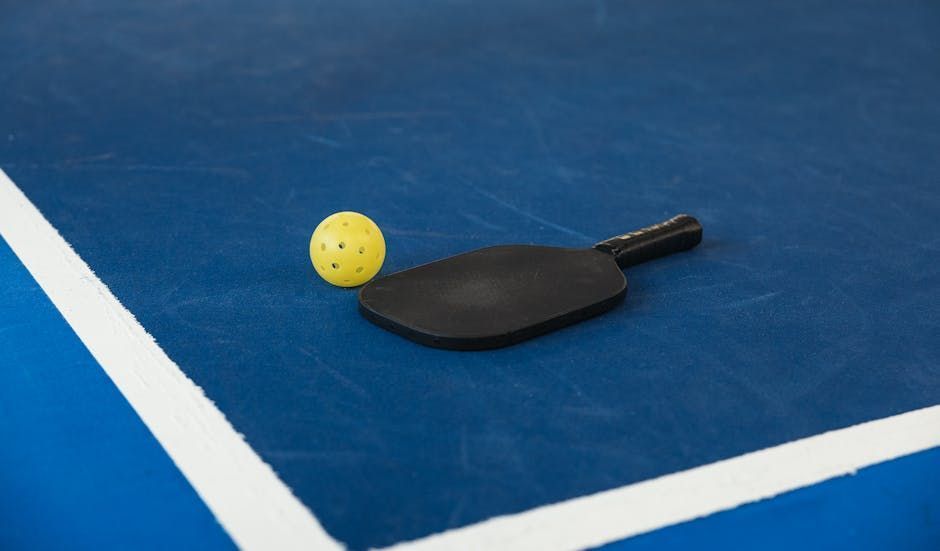
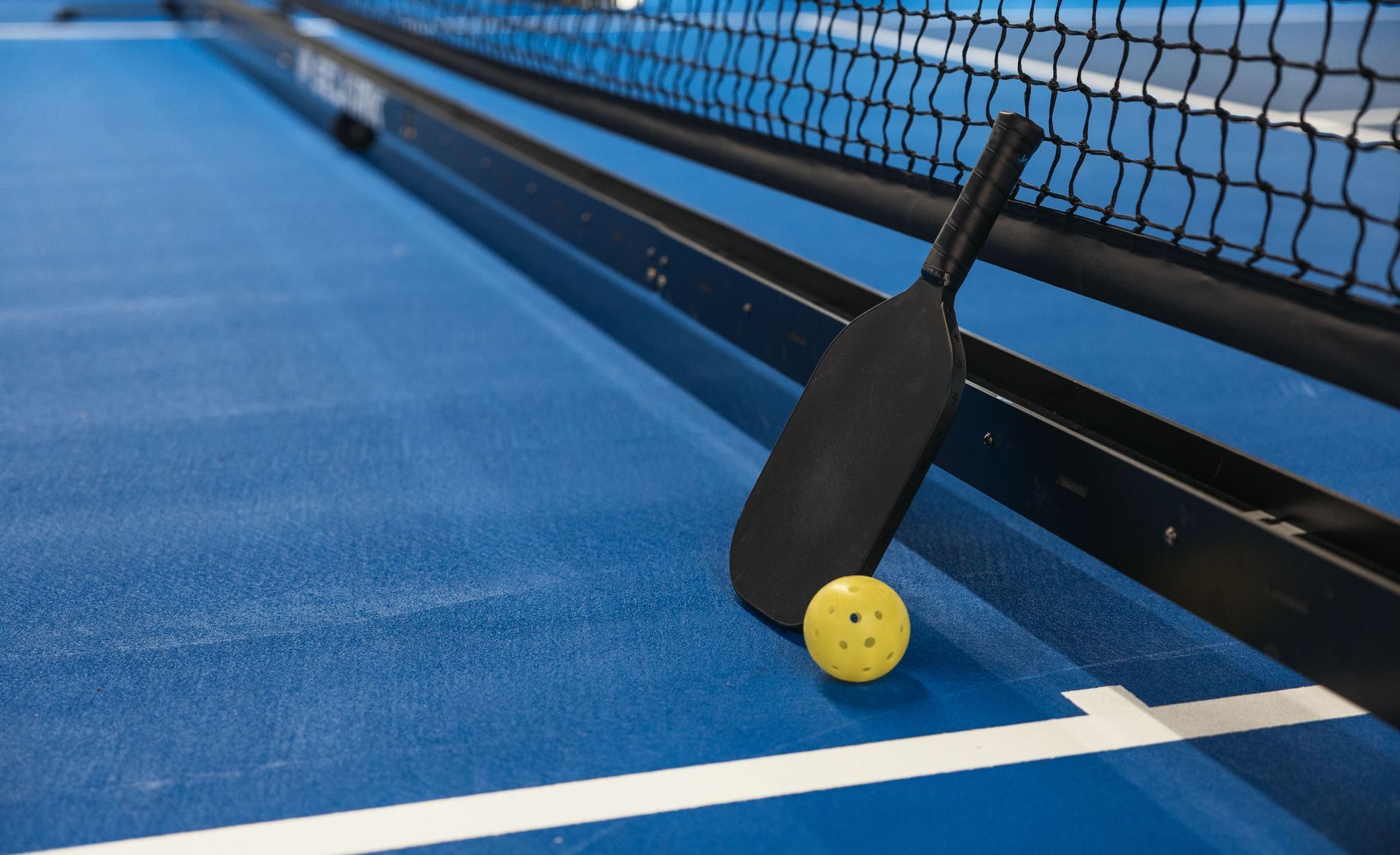
Yellow pickleball and black paddle on a blue court next to a white line.
By Mor Sports Group February 22, 2026
Learn the key warning signs that indicate your pickleball court needs resurfacing. Expert guidance on cracks, fading, texture loss, and when to call professionals for court restoration.
By Mor Sports Group February 21, 2026
Extend your artificial turf's life with Mor-Sports' expert maintenance guide. Learn daily, weekly, and annual care tips for lasting performance & safety.
Aerial view of a soccer field with a running track, surrounded by houses and trees.
By Mor Sports Group February 8, 2026
Explore the surging demand for eco-friendly sports surfaces and key industry trends for 2026. Discover sustainable materials, green building innovations, and why recycled turf is critical for modern sports facilities.
By Mor Sports Group February 4, 2026
Learn essential summer maintenance tips to protect your tennis court from heat damage, improve player safety, and extend your court's lifespan during the hottest months.
Close-up of small gray and tan gravel rocks.
By Mor Sports Group February 2, 2026
Discover why crushed stone is the top choice for bocce ball courts. Learn about superior drainage, consistent surface quality, durability, low maintenance, and cost advantages for your court project.
Black pickleball paddle and yellow ball on a blue court next to a white line.
February 1, 2026
Discover the best surface paints for pickleball courts. Learn key features, application tips, and maintenance advice.
Basketball hoop with weathered backboard and net, set against blurry trees.
By Mor Sports Group January 27, 2026
Learn how heat, cold, rain, and UV rays affect outdoor basketball court materials. Discover which surfaces work best for your climate and get expert maintenance tips to extend your court's lifespan.
Tennis ball on a white line on a blue court, with blurred lights in the background.
By Mor Sports Group January 23, 2026
Discover the key differences between artificial turf and natural grass for padel courts. Learn about costs, maintenance, playability, and which surface is right for your climate and usage needs.
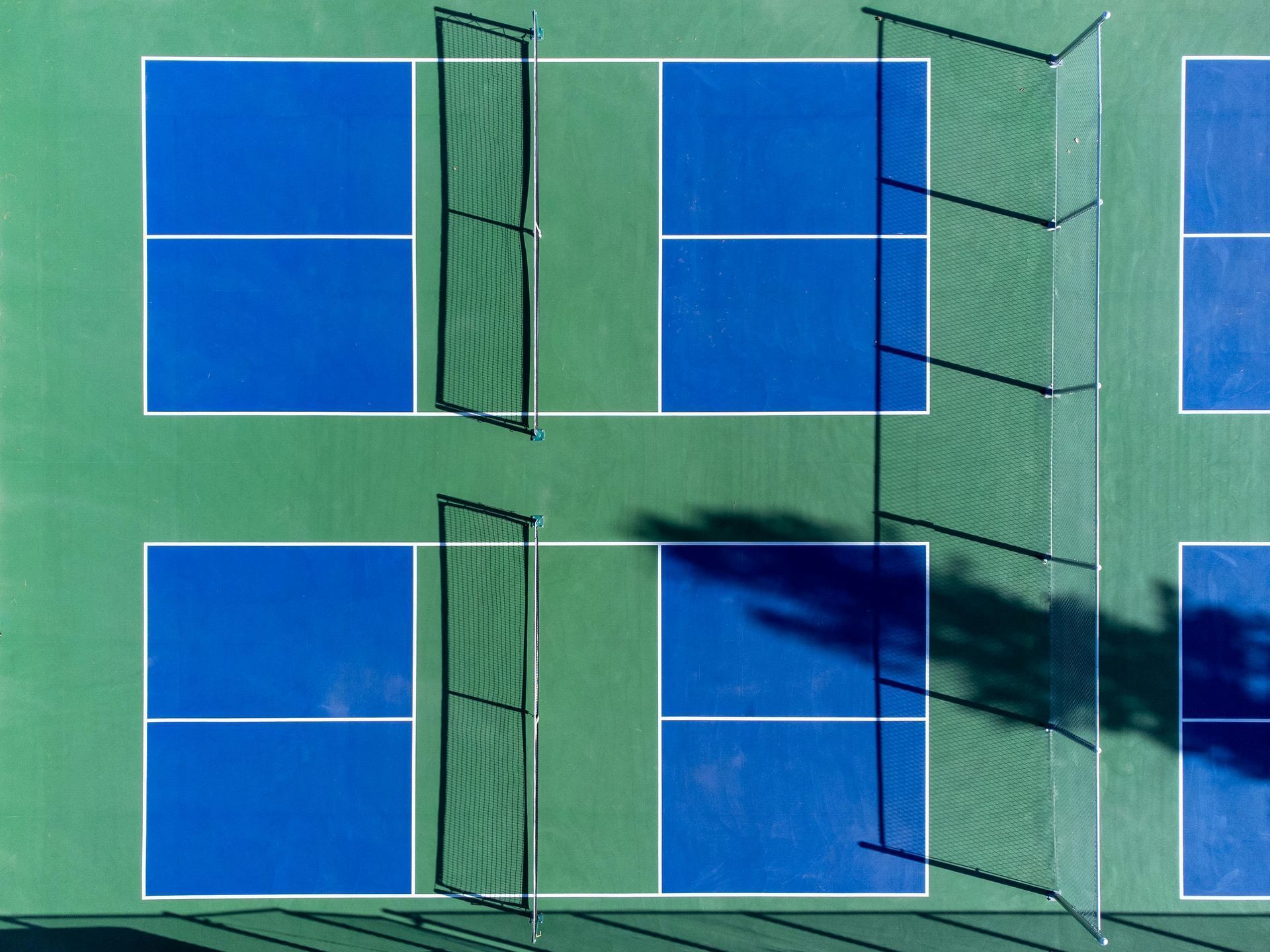
Overhead view of pickleball courts with blue playing areas and green surrounds.
January 18, 2026
Considering concrete for your pickleball court? Learn the pros and cons including durability, ball bounce consistency, maintenance needs, joint impact, and installation costs to make an informed decision.
January 5, 2026
Cracks on a tennis court are more than just an eyesore—they’re the first sign that your court is weakening. After resurfacing, it’s natural to want that fresh, flawless look to last as long as possible. The good news? With the right maintenance plan and a few strategic habits, you can dramatically reduce the risk of cracking and get more life out of your court.