
Why Contractor Verification is a Must and How To Do It?

December 19, 2023

Imagine the thrill of stepping onto a newly resurfaced court with vibrant colors inviting you to play. Now imagine the disappointment of slipping on a poorly maintained surface. Your sports facility should be an arena of excitement, not a ground for accidents. That's why choosing the right contractor matters.


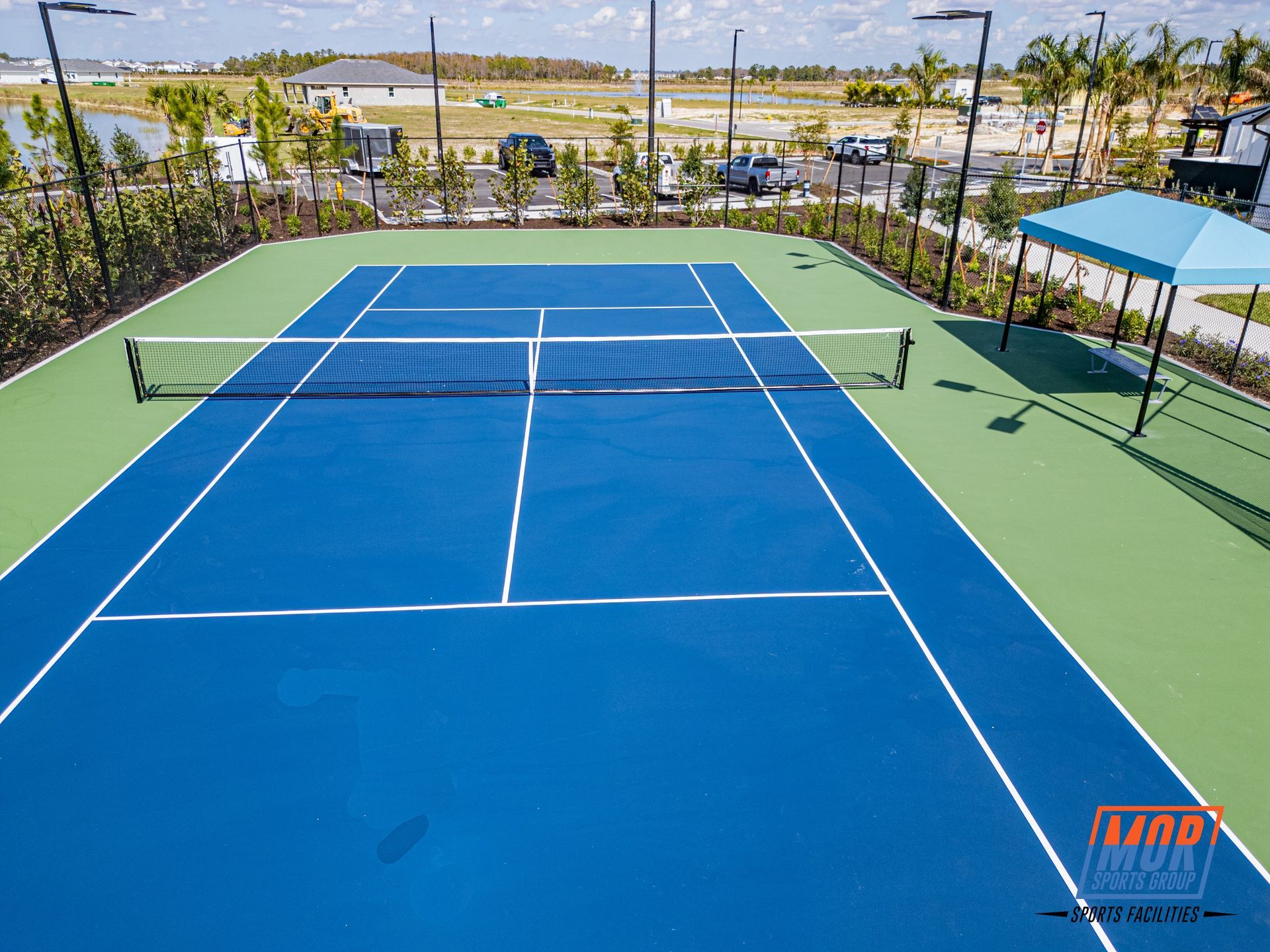
Picture this: A sports club has a tennis court that is heavily used by its members. Over time, the court surface has become cracked and uneven. There is extra wear and tear from the last hurricane season in Florida.

two construction workers are sitting at a table looking at a blueprint.

The club has been putting off resurfacing the court despite the deterioration, as the club's handyman deems the situation non-urgent. Shortly after, a club member trips on a crack, spraining their ankle. The ensuing lawsuit holds the club accountable for negligence, resulting in a financial burden and potential member loss.


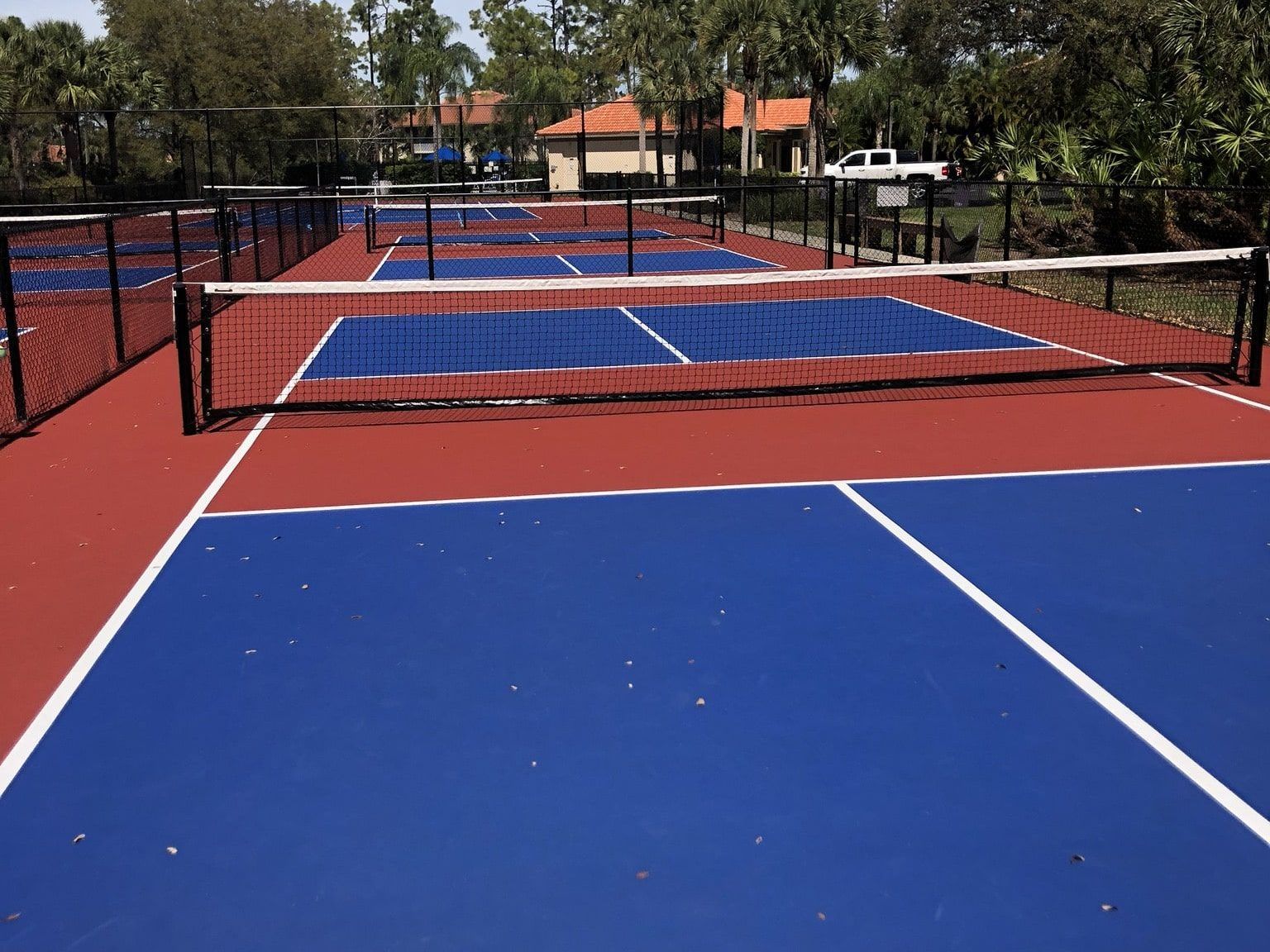
Another scenario: You want to enjoy playing pickleball right in your backyard. The contractor you hired was transparent that they were licensed in another state but not Florida. Hence providing a great bid price to secure your business. Unfortunately, their work did not comply with local regulations and zoning requirements. Now, you face fines for violating zoning laws and building codes, along with a cease-and-desist order. Requiring a full stop on using the court until it is brought into compliance.


These scenarios highlight the potential risks of not hiring a state-licensed contractor. Today’s blog outlines the contractor verification process and best vetting practices for your next successful project in the Sunshine State.

The Significance of Contractor Verification

Verifying a Florida contractor's license and background is crucial due to:


  • Legal Compliance: Hiring a licensed contractor ensures adherence to state regulations. Contractor verification is the blueprint for success in avoiding legal issues or penalties.
  • Quality Assurance: State-certified contractors possess the skills and expertise for high-standard work.
  • Consumer Protection: Hiring a licensed contractor holds professionals accountable for ethical practices.

At Mor Sports Group, we adhere to these standards as a fully licensed Certified Building Contractor specializing in sports facility construction. Via the following:


  1. Comprehensive Assistance from Planning to Installation: Collaborating from project inception to completion.
  2. Skilled Craftsmen and Experienced Site Foremen: Quality craftsmanship is prioritized.
  3. Accessible Management Software Systems: Efficient project management is vital. We use accessible management software systems for seamless coordination and execution.

Elevating Construction Confidence Through Florida’s Contractor Verification Process

Now that we understand the significance, let us explore the actionable steps for license lookup: 


1. Research Seasoned Contractors

Now that you have a roster of potential candidates, it is time to verify their insurance and license. State-certified contractors in Florida have met the requirements and qualifications to perform general contracting work. Authorized to undertake large-scale construction projects.


Ensure each candidate possesses the necessary licenses and insurance coverage by understanding the following distinctions:

  • Licensed: Valid trade licenses meeting local regulations. Verify through local contractors' associations or building departments.
  • Registered: Paid fees to the government, with proof of insurance but no required tests or classes.
  • Insured: Backed by an insurance provider, with verifiable insurance certificates.
  • Bonded: Provides assurance of work completion to a reasonable standard. Often required for licensed contractors.

Pro Tip: Proceed only with contractors who are licensed and back their work with insurance or bonds to mitigate potential risks.


2. Where to Confirm the Contractor is Licensed and Authorized to Work in Florida


The Florida Department of Business and Professional Regulation (DBPR) is your source for authentication. Navigate the website to the "Verify a License" section.

Proceed to the following:

  • Enter the contractor's information. If you have the license number, enter it directly. Otherwise, you can search by the contractor's name and narrow down the results by providing the city or county. The website will display the contractor's license information.
  • Pay attention to the license type, expiration date, and any disciplinary actions or complaints filed against the contractor.


You can also verify a contractor's license in Florida by phone. Contact the Florida DBPR's Customer Contact Center at (850) 487-1395. Provide the contractor's information and they will assist you in verifying the license status.


What should you do if a contractor's license has expired or has been suspended?


Expired or suspended licenses indicate that the contractor is not currently authorized to perform contracting work in Florida. Consider this a red flag and seek alternative options.


 You have the option to contact the DBPR to report unlicensed contractors to the Unlicensed Activity Hotline at 866-532-1440.

The Risks of Hiring Unlicensed Contractors in Florida

The appeal of cost savings may tempt homeowners. However, the consequences can be severe, from subpar work quality to legal troubles.

The risks include:


  • Poor Qualifications: Often lack essential remodeling and construction expertise, insurance, and qualifications. Resulting in inadequate skills and craftsmanship.
  • Inadequate Quality Work: Homeowners may need to rectify or complete the abandoned project themselves.
  • Possible Criminal Background: May have criminal histories involving fraud, theft, or violent crimes.
  • Scam Vulnerability: Fraud in the construction industry, especially home improvement, is sadly widespread. Con artists pose as contractors and often target vulnerable homeowners. Only to disappear after taking your money.
  • No Insurance and Liability: Homeowners may end up being liable for personal or financial injuries to others. An unlicensed contractor typically is uninsured and will have no way to pay you back for any property damage.
  • No Coverage under Homeowner's Policy: Most homeowner policies require work by licensed contractors, risking policy invalidation.
  • Noncompliance with Building Codes: Most projects, even small ones, require permits and inspections that unlicensed contractors ignore or are unfamiliar with. If your project isn't permitted or doesn't comply with the building code, you may have to remove or repair the work at your own expense and be subject to fines.
  • Knowingly hiring an unlicensed contractor in Florida could put you at risk of being formally charged or issued a citation for breaking the law.

Red Flags to Look Out For:


  • Limited Contact Information and/or No License Number: Legitimate businesses provide comprehensive details; practice discernment if only a name and telephone number are provided.
  • Vague "Licensed and Insured" Claims: A claim to be "licensed and insured" but cannot produce a DBPR-issued license. This type of claim often means that the person has a driver's license and automobile insurance.
  • Unusual Payment Requests: Exercise caution if asked for full upfront payment or insists on cash.
  • Blank or Generic Invoices: Licensed contractors must display license numbers on invoices.
  • Oral Agreements: Opt for written agreements detailing scope, timeline, and cost to avoid future disputes.
  • Permit Responsibilities: Licensed contractors pull permits; a contractor urging you to obtain one is a potential red flag.
  • Unrealistic Bids: Be cautious of low bids, which may indicate subpar materials or hidden costs.
  • High-Pressure Tactics: Legitimate professionals allow time for informed decisions without coercion.
  • Mor Sports Group holds the standards of a Certified Building Contractor across the Sunshine State. Committed to the excellence required for your project's triumph.

Verify. Empower. Renovate.

Follow these steps to empower yourself in making an informed decision and protect yourself from potential risks. If a bid seems too good to be true, exercise caution. Make your next project a success and gift yourself peace of mind by following the steps outlined in today’s go-to guide.


Mor Sports Group prides itself on installation quality and customer service. As a fully licensed Certified Building Contractor, we provide comprehensive assistance from planning to surface installation, prioritizing quality, and employing highly skilled craftsmen. With experienced site supervisors overseeing projects and accessible management software systems, our goal is to ensure work is conducted to the agreed specifications and to achieve your complete satisfaction.


Elevate your sports facility construction experience by prioritizing credibility and choosing a contractor that aligns with the highest industry standards.


Ready to move forward with your next sports facility project? Contact Mor Sports Group today for a quote.

Man mowing the grass on a soccer field in a stadium with purple seating.
By Mor Sports Group March 8, 2026
Maximize synthetic grass field safety with Mor-Sports' best practices. Learn essential guidelines for player injury prevention, field maintenance, and athletic regulations.
Pickleball paddle and ball on a blue court next to a net.
By Mor Sports Group February 27, 2026
Complete guide to maintaining pickleball courts. Learn essential care routines, seasonal maintenance, common problems, and professional tips to keep your courts in championship condition year-round.
Yellow pickleball and black paddle on a blue court next to a white line.
By Mor Sports Group February 22, 2026
Learn the key warning signs that indicate your pickleball court needs resurfacing. Expert guidance on cracks, fading, texture loss, and when to call professionals for court restoration.
By Mor Sports Group February 21, 2026
Extend your artificial turf's life with Mor-Sports' expert maintenance guide. Learn daily, weekly, and annual care tips for lasting performance & safety.
Aerial view of a soccer field with a running track, surrounded by houses and trees.
By Mor Sports Group February 8, 2026
Explore the surging demand for eco-friendly sports surfaces and key industry trends for 2026. Discover sustainable materials, green building innovations, and why recycled turf is critical for modern sports facilities.
By Mor Sports Group February 4, 2026
Learn essential summer maintenance tips to protect your tennis court from heat damage, improve player safety, and extend your court's lifespan during the hottest months.
Close-up of small gray and tan gravel rocks.
By Mor Sports Group February 2, 2026
Discover why crushed stone is the top choice for bocce ball courts. Learn about superior drainage, consistent surface quality, durability, low maintenance, and cost advantages for your court project.
Black pickleball paddle and yellow ball on a blue court next to a white line.
February 1, 2026
Discover the best surface paints for pickleball courts. Learn key features, application tips, and maintenance advice.
Basketball hoop with weathered backboard and net, set against blurry trees.
By Mor Sports Group January 27, 2026
Learn how heat, cold, rain, and UV rays affect outdoor basketball court materials. Discover which surfaces work best for your climate and get expert maintenance tips to extend your court's lifespan.
Tennis ball on a white line on a blue court, with blurred lights in the background.
By Mor Sports Group January 23, 2026
Discover the key differences between artificial turf and natural grass for padel courts. Learn about costs, maintenance, playability, and which surface is right for your climate and usage needs.