The Benefits of Multi-Sports Facilities for Florida Communities
Introduction
Multi-sports facilities are special places where people of all ages can come together to play different sports. These courts are designed to be versatile, meaning they can be used for basketball, tennis, volleyball, and more, all in one space. In Florida, where the sun shines bright and outdoor activities are a big part of everyday life, these courts offer a fantastic way for communities to stay active and healthy.
Having a multi-sports facilities in your community is not just about playing games. It's about bringing people together, making new friends, and enjoying the outdoors. Whether you're a kid looking for fun after school, an adult trying to stay in shape, or someone just wanting to learn a new sport, these courts provide a space for everyone.
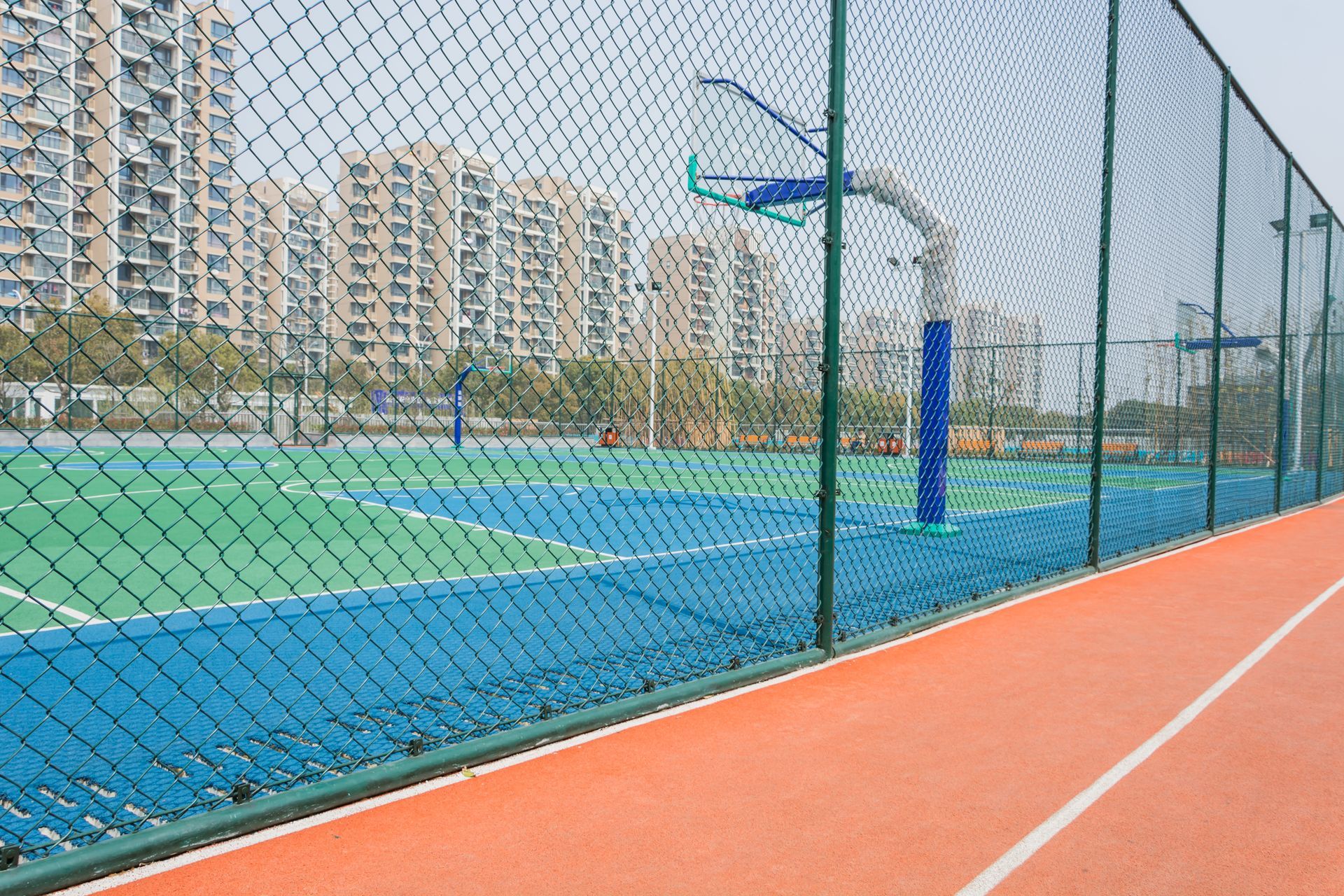
The beauty of multi-sports facilities lies in their ability to offer something for everyone. No matter your age or skill level, you can find joy and excitement on these courts. Plus, they are a great way to improve the health and happiness of Florida communities. By encouraging people to move, play, and socialize, multi-sports facilities can make a big difference in our lives.
In this article, we're going to explore the many benefits that multi-sports facilities bring to Florida communities. From helping us stay fit and healthy to building stronger bonds among neighbors, these courts are more than just places to play—they're the heart of our communities, where memories are made and friendships are formed.
What Are Multi-Sports Facilities?
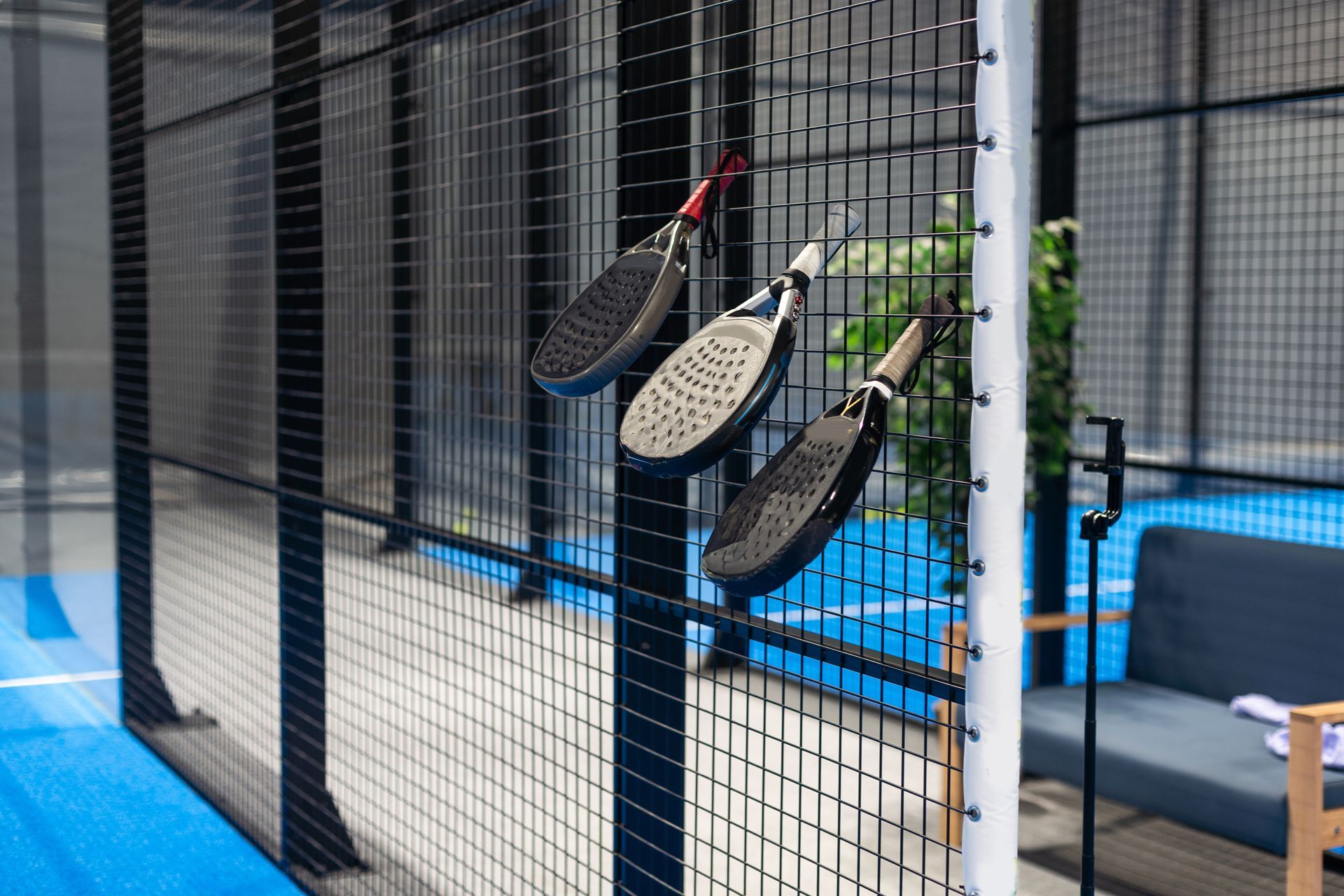
Multi-sports facilities are unique areas where people can play many types of sports all in one convenient location. These courts are designed to be flexible, so they can change to fit a variety of sports like basketball, tennis, volleyball, and even more. This means that with just one court, a community can enjoy a wide range of sports without needing separate areas for each one.
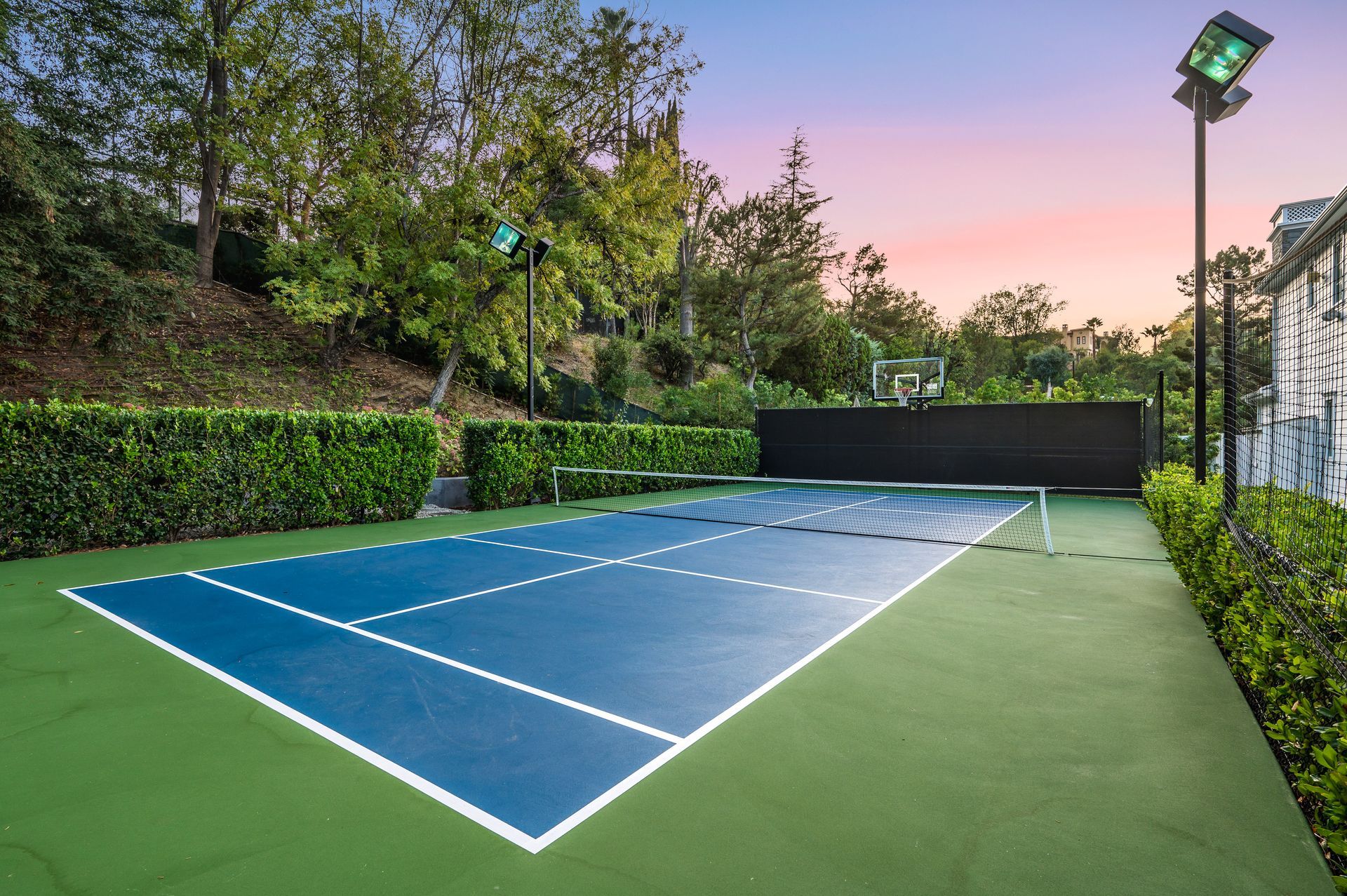
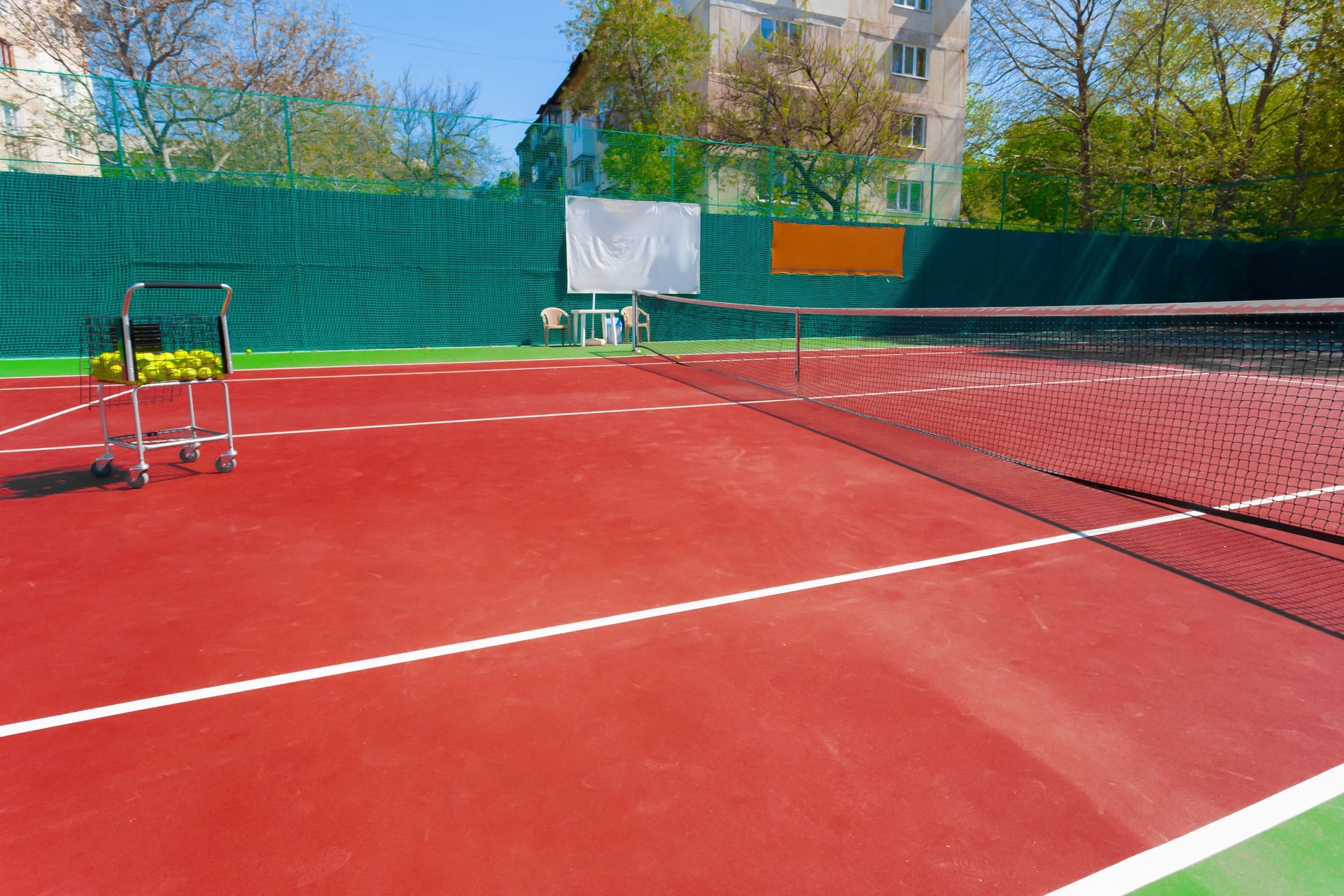
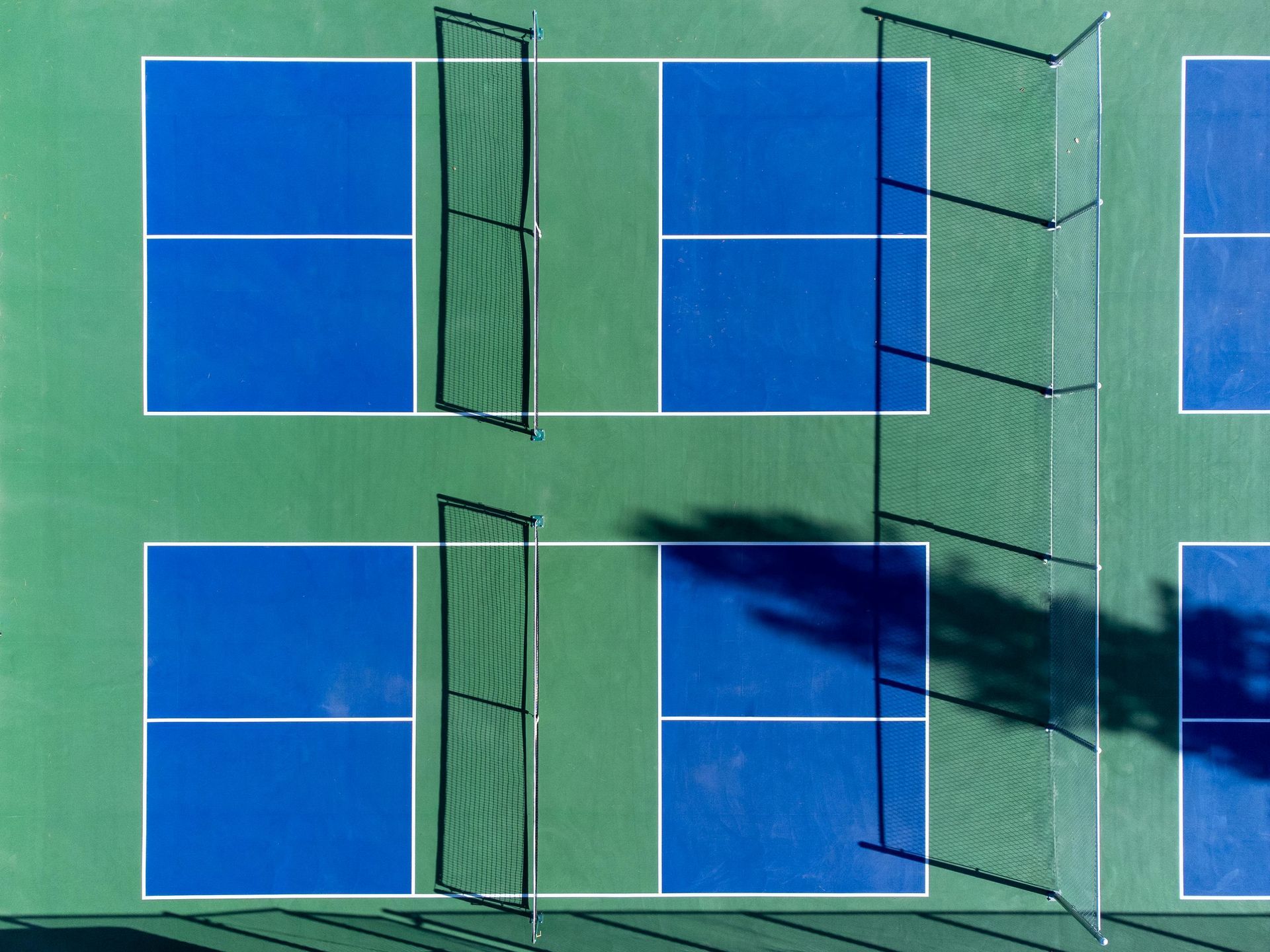
The key to these courts is their special surface and layout. They are made with materials that are safe for all kinds of sports and are marked with lines for different games. This way, you can easily switch from playing basketball to playing tennis, for example, without having to go to a different place. It's like having many sports facilities all rolled into one.
Multi-sports facilities are especially great for places like Florida, where the weather is usually sunny and warm. People can use these courts all year round, making them a valuable part of the community. They're not just for kids or athletes; families, friends, and neighbors of all ages can come together to play, learn, and have fun.
These courts are also designed to be inclusive, meaning they are built so everyone can use them. Whether you're someone who's been playing sports for years or you're just starting, these courts are a welcoming space for learning and growing. They're also accessible, ensuring that people with different abilities can join in the fun.
The Growing Popularity of Multi-Sports facilities in Florida
Multi-sports facilities are becoming increasingly popular across Florida, driven by the state's ideal weather and a growing focus on community health and wellness. These versatile spaces cater to a range of sports, making them a perfect fit for Florida's outdoor lifestyle. The trend reflects a broader desire among communities to promote physical activity in a fun, inclusive way.
Florida's year-round sunshine and mild climate are key factors in this surge in popularity. People of all ages are drawn to these courts as they provide a convenient and accessible way to enjoy multiple sports in a single location. From basketball and tennis to volleyball, these courts offer something for everyone, fostering community engagement and active living.
Success stories from neighborhoods that have embraced multi-sports facilities highlight their benefits, including increased physical activity, stronger community bonds, and enhanced local pride. This positive feedback is encouraging more communities to consider multi-sports facilities as a valuable addition to their recreational facilities.
In short, the rise of multi-sports facilities in Florida aligns with the state's commitment to health, wellness, and community. As more people experience these benefits firsthand, the popularity of multi-sports facilities is expected to continue growing, making them a key feature of Florida's active and inclusive communities.
Benefits of Multi-Sports Facilities for Florida Communities
Multi-sports facilities offer a range of benefits that make them a valuable addition to Florida communities. These courts not only promote health and fitness but also strengthen community ties, support youth development, enhance accessibility to sports, and can even boost the local economy. Let's explore these benefits in more detail:
Promoting Physical Health and Fitness
Multi-sports facilities encourage people of all ages to engage in regular physical activity. This helps in improving overall health, reducing the risk of chronic diseases, and promoting a healthy lifestyle among community members.
Enhancing Community Engagement and Social Cohesion
By providing a common space for sports and recreation, these courts foster a strong sense of community. They become a gathering spot where neighbors can meet, socialize, and build lasting friendships, enhancing social cohesion.
Supporting Youth Development and Teamwork
For young people, multi-sports facilities are more than just places to play. They are arenas where valuable life skills like teamwork, leadership, and perseverance are learned. Participating in sports on these courts can aid in the holistic development of youth, preparing them for various life challenges.
Improving Accessibility to Sports
Multi-sports facilities make it easier for everyone to access a variety of sports without the need for multiple, specialized facilities. This inclusivity ensures that people with different interests and abilities can find an activity they enjoy, promoting a more active and engaged community.
Boosting Local Economies
The presence of multi-sports facilities can also have a positive impact on local economies. They attract visitors and sports events, which can increase spending in the area. Additionally, well-maintained sports facilities can enhance property values and attract new residents to the community.
Multi-sports facilities offer significant advantages to Florida communities, from improving physical health to fostering community spirit and economic growth. These versatile facilities are a smart investment in the well-being and prosperity of local areas, making them an essential component of community planning and development.
Planning and Implementing Multi-Sports Facilities in Your Community
Introducing a multi-sports facilities to your Florida community can be an exciting project that offers numerous benefits. Here’s how you can plan and implement these versatile sports facilities effectively:
Identifying the Right Location
Choosing the right spot is crucial. Look for accessible, central locations within the community that are easily reachable by most residents. Consider factors like existing infrastructure, space availability, and proximity to schools or parks.
Design Considerations
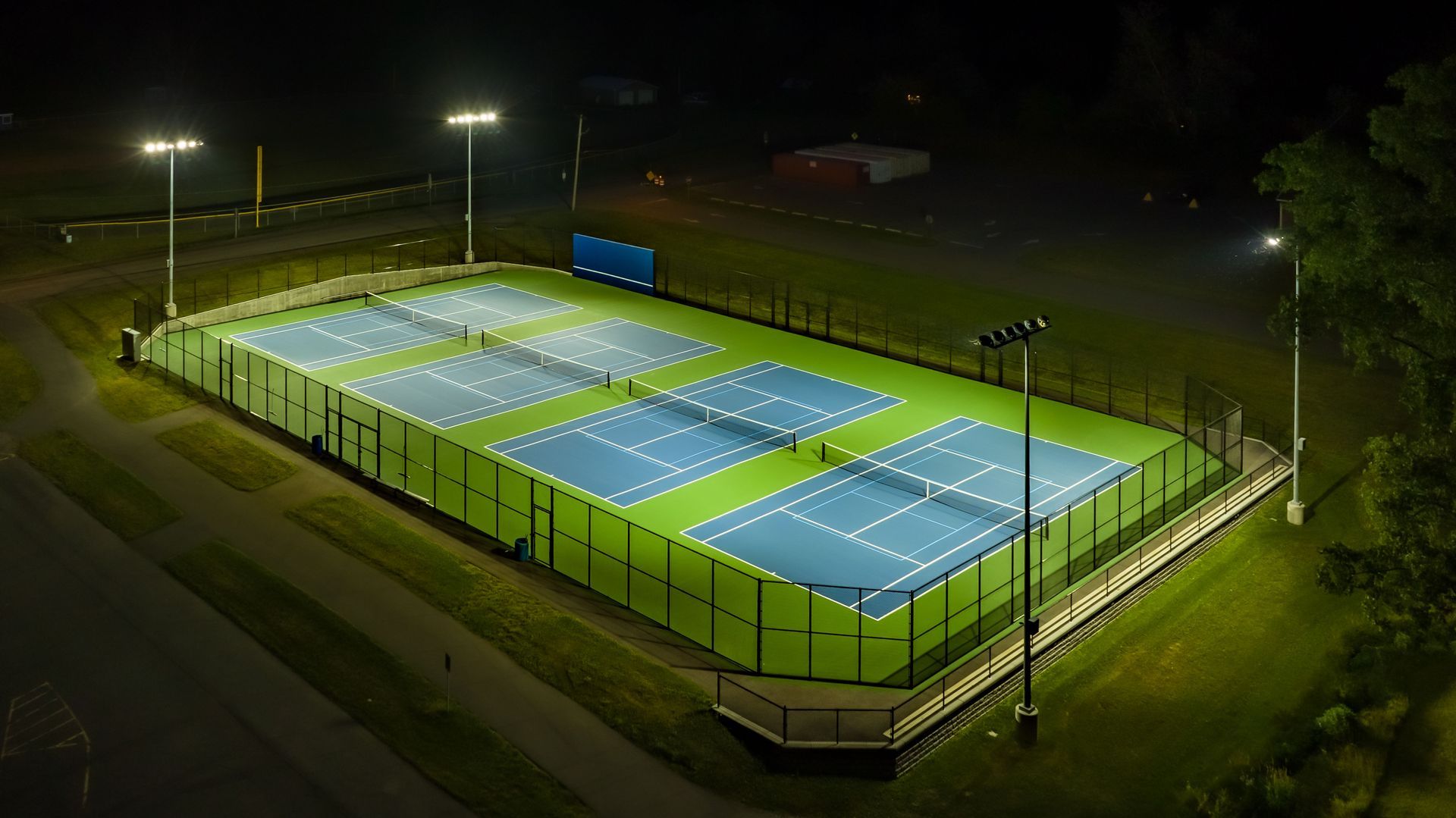
A good design ensures the court serves a wide range of sports and activities. It should include durable, safe surfaces that can withstand Florida’s weather, and markings for various games. Also, consider adding features like lighting for evening play and seating for spectators.
Community Involvement and Funding
Engage with the community early in the planning process to gather input and support. Community workshops or surveys can help identify which sports are most popular and what features are desired. For funding, explore options like local government grants, sponsorships from local businesses, and fundraising events.
Building the Court
Once you have a location, design, and funding, it's time to build. Hire experienced contractors who specialize in sports facilities to ensure high-quality construction. Ensure the project meets all local regulations and standards.
Maintenance and Management
After the court is built, establish a maintenance plan to keep it in top condition. Regular cleaning, surface repairs, and equipment checks will extend its lifespan and ensure safety. Consider forming a management committee to oversee scheduling, usage policies, and ongoing community engagement.
By following these steps, you can successfully introduce a multi-sports facilities that becomes a cherished asset for your Florida community. Such courts not only promote health and wellness but also become hubs of social interaction and community spirit, enriching the lives of all residents.
Future Outlook for Multi-Sports Facilities in Florida
The future of multi-sports facilities in Florida looks promising, with trends indicating continued growth and innovation in how these facilities are designed, used, and integrated into community life. Here are a few key developments to watch:
Technological Advancements in Court Design
Innovations in materials and construction technologies are expected to make multi-sports facilities more durable, safer, and easier to maintain. Smart courts with integrated sensors and LED lighting could offer interactive experiences, track game scores, and even provide instant replays or coaching tips.
Increased Focus on Inclusivity and Accessibility
Future multi-sports facilities in Florida are likely to place a greater emphasis on inclusivity, ensuring that people of all abilities have equal access to these facilities. Designs might include adaptive equipment, wheelchair-friendly surfaces, and layouts that accommodate a wider range of activities.
Integration with Community Development Plans
As the benefits of multi-sports facilities become more widely recognized, they are likely to be included more strategically in urban and community development plans. This means not just adding courts to existing parks, but also incorporating them into the design of new residential areas, schools, and community centers.
Sustainable and Eco-Friendly Practices
Sustainability will play a key role in the development of future multi-sports facilitiess, with the use of eco-friendly materials and designs that minimize environmental impact. Rainwater harvesting for court cleaning, solar-powered lighting, and landscaping that supports local flora and fauna are examples of how these spaces can contribute to a healthier environment.
Community Engagement and Programming
The success of multi-sports facilities relies not just on their physical presence but also on active programming and community engagement. Future courts will likely see an array of organized activities, from sports clinics and leagues to community events and fitness classes, ensuring that these spaces remain vibrant and well-utilized parts of the community.
Conclusion
Multi-sports facilities represent more than just physical structures within Florida's communities; they are vibrant hubs of activity, wellness, and unity. Throughout this article, we've explored the myriad benefits these courts offer—from promoting physical health and fostering community engagement to supporting youth development and boosting local economies. The versatility and accessibility of multi-sports facilities make them a valuable asset for communities, accommodating a wide range of sports and activities that bring people together, regardless of age or skill level.
Contact Mor Sports Group today for your next Multi-sports facilities project.