
Stormwater and Drainage Code Requirements for Municipal Sports Court Construction in Florida
A sports court is an impervious surface. In Florida, adding impervious area to a site changes how stormwater moves, and the state's water management districts have specific requirements for when that change triggers a formal permitting process. Parks departments that treat court construction as a simple building project without accounting for stormwater code can find themselves with a stopped project, a permit requirement they didn't budget for, and drainage infrastructure that fails to handle Florida's intense wet season.
Why Sports Courts Trigger Stormwater Review in Florida
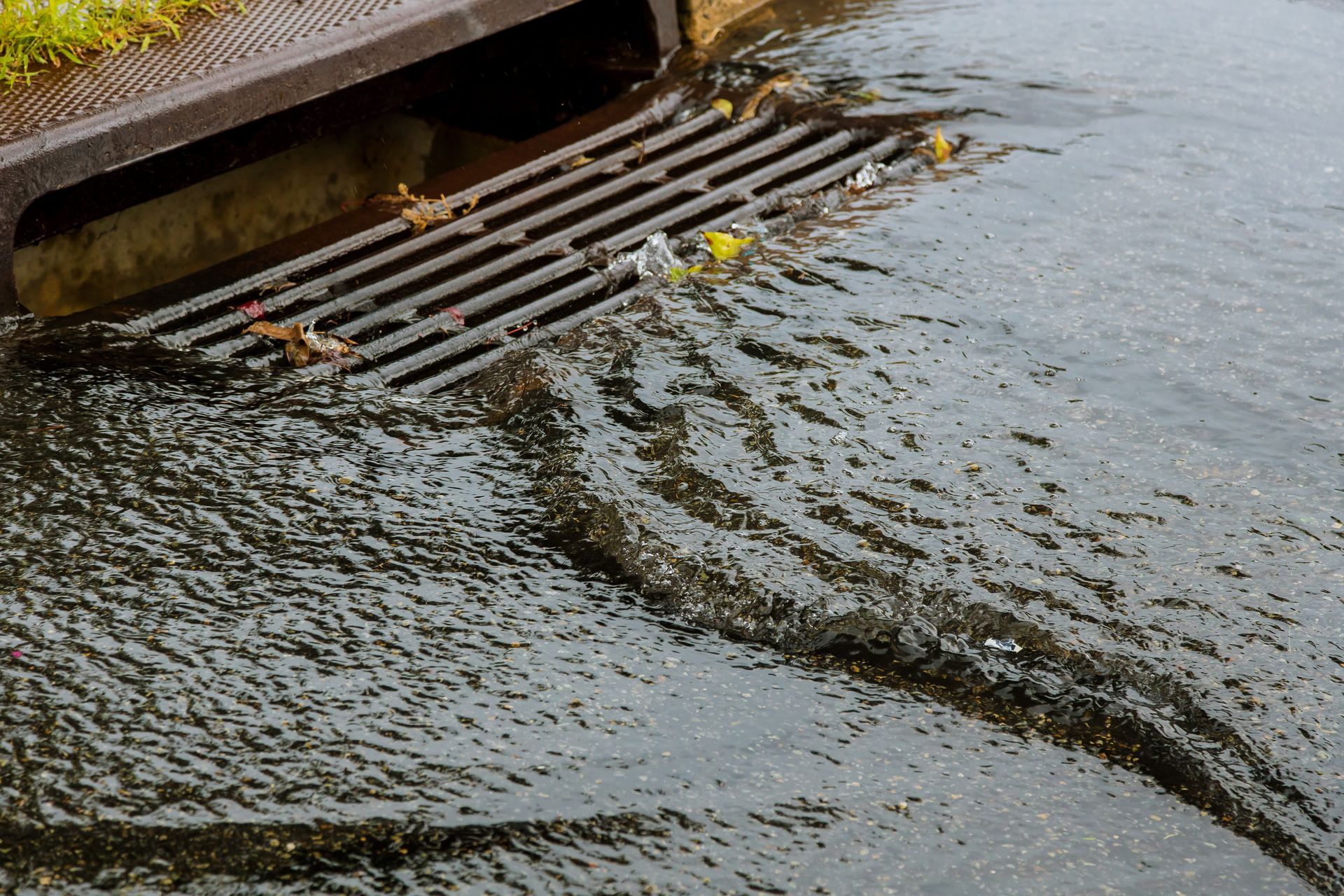
Florida receives more rainfall per year than any other contiguous US state, and the intensity of individual storm events during the June through September rainy season is extreme. A 25-year, 24-hour storm event in South Florida can produce 10 to 12 inches of rain. A sports court that doesn't drain that water quickly creates flooding, surface damage, and potential liability for downstream flooding of adjacent properties or infrastructure.
Beyond the physical drainage challenge, Florida law requires that new impervious surfaces above certain size thresholds be reviewed for their effect on stormwater runoff. The addition of a 7,200-square-foot tennis court or even a pair of 900-square-foot pickleball courts to a park site can push a project over the review threshold, particularly if the site already has existing impervious coverage.
Municipal projects are not exempt from this review. In many cases, the threshold for triggering district review is lower for governmental projects than for private development because of the public accountability standard built into the Environmental Resource Permit process.
Water Management Districts: SWFWMD, SJRWMD, and SFWMD Basics
Florida is divided into five water management districts, and the district governing your project depends on geography. The Southwest Florida Water Management District covers the Tampa Bay region, the central west coast, and portions of the interior. The St. Johns River Water Management District covers the northeast, central, and Atlantic coast areas. The South Florida Water Management District covers the southern peninsula including Miami-Dade, Broward, and Palm Beach counties.
Each district has its own Environmental Resource Permit program with specific thresholds, design standards, and submittal requirements. The permit types range from noticed exemptions (which still require notification but no formal review) to individual permits requiring engineering review, public notice, and inspection.
For most municipal court construction projects, the relevant question is whether the project is exempt, qualifies for a general permit, or requires an individual permit. A licensed engineer familiar with the relevant district's criteria can make that determination based on the site's existing impervious coverage, the proposed new impervious area, and the site's drainage basin characteristics.
Impervious Surface Calculations and Thresholds
Impervious surface calculation is site-specific and must account for existing and proposed conditions. A parks department that has been incrementally adding facilities to a park over many years may have cumulative impervious coverage that pushes a new court project into a higher permit tier even if the court itself is relatively small.
Most district general permit thresholds are in the range of one to four acres of new impervious surface for projects that meet specific design criteria. Below the threshold and in qualifying conditions, a noticed exemption may apply. Above the threshold or on sites with complex drainage, an individual permit is required.
Municipal parks departments should maintain an accurate site plan showing all existing impervious surfaces before scoping a new court project. That document, combined with a pre-application meeting with the relevant district, will tell you what permit tier applies before you spend money on design.
Slope, Grade, and Runoff Design for Court Surfaces
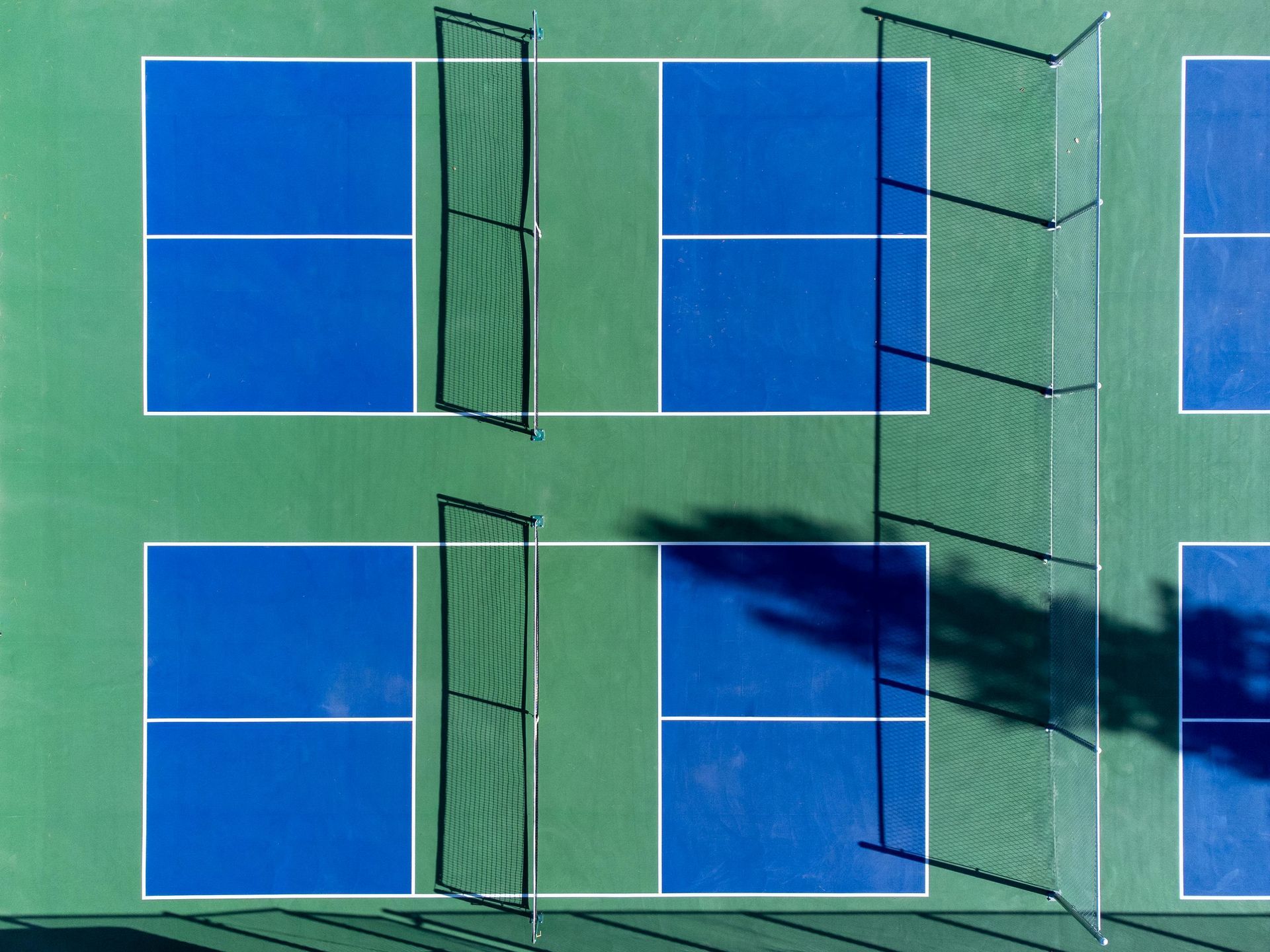
The court surface itself must be graded to drain effectively. Standard practice for Florida sports courts is a minimum 1% slope across the court in a defined direction, with drainage collected at the low end. For larger facilities with multiple courts, drainage between courts needs to be coordinated so water from an upper court doesn't cross an adjacent playing surface before reaching an outlet.
The low end of the court should discharge to a defined drainage structure, either a catch basin connected to a storm sewer, a drainage swale, or a retention area. Uncontrolled sheet flow from a court surface onto a turf area or adjacent property is not an acceptable drainage design and will not pass inspection in most Florida jurisdictions.
Mor-Sports Group operates a dedicated paving and grading division that handles site preparation, grading, and drainage design as an integrated scope. Separating the grading work from the court construction work is one of the most common mistakes parks departments make. It creates gaps in responsibility and frequently produces drainage that doesn't meet code.
Retention Ponds, Swales, and Alternatives
Depending on the size of the project and the site's drainage basin, stormwater management may require on-site retention. Retention ponds hold runoff and release it slowly through controlled outlets or infiltration, preventing the sudden discharge that overwhelms downstream drainage systems during intense rain events.
Vegetated swales are a lower-cost alternative for smaller projects. A properly designed swale slows runoff velocity, allows infiltration, and filters pollutants before discharge. They're common in municipal parks because they can be integrated into landscape design without the land consumption required by a retention pond.
On sites with good soil permeability, dry retention areas and infiltration basins can replace or supplement traditional wet retention ponds. Florida's sandy soils in many parts of the state make infiltration-based stormwater management practical where it wouldn't be in clay-soil states.
Permit Sequencing: Site Plan, Stormwater, Building
Getting the permit sequence right prevents the scenario where a building permit is approved but a stormwater permit is still pending. In Florida, stormwater permits typically need to be in place before a building permit is issued for projects that require district review.
The typical sequence for a municipal court construction project is site plan approval from the local planning department, stormwater Environmental Resource Permit from the applicable water management district, building permit from the local building department, and construction followed by final inspection. Some municipalities require additional review steps including utility coordination and public works approval.
Pre-application meetings with both the local building department and the relevant water management district before submitting any applications are strongly recommended. They identify issues early and prevent permit rejections that require redesign and resubmittal.
How to Scope Drainage Properly in a Municipal RFP
Municipal RFPs for sports court construction projects frequently underspecify the drainage scope, which leads to change orders during construction when site conditions require drainage work that wasn't included in the base bid.
A properly scoped RFP for a Florida municipal court project should require bidders to review the site for drainage conditions and include all necessary drainage work in the base bid, disclose any assumptions made about existing infrastructure capacity, and confirm whether a water management district permit is included in their scope or is expected to be the municipality's responsibility.
Shifting drainage responsibility to the contractor without clearly scoping what's required doesn't eliminate the parks department's exposure. It creates a contractual dispute when the work costs more than anticipated.
Mor-Sports Group brings integrated expertise in court construction and paving and grading to every municipal project we undertake. We understand Florida stormwater requirements and design drainage solutions that pass inspection the first time. Contact us to discuss your next parks department court project.